2nd Grade Life Science Activities

32 results
Science
✕2nd Grade
✕Activities
✕32 results
Subtopics:
2nd Grade Life Science Activities
32 results
Science
✕2nd Grade
✕Activities
✕32 results
















About 2nd Grade Life Science Activities
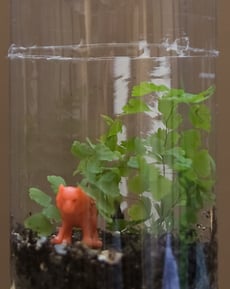
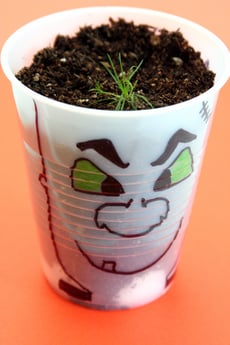
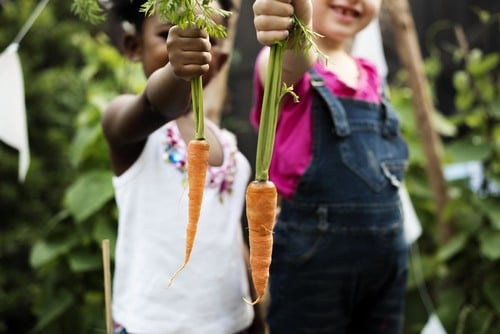
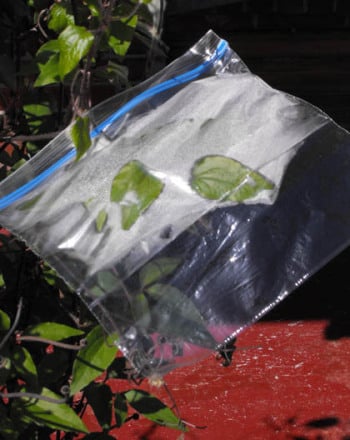
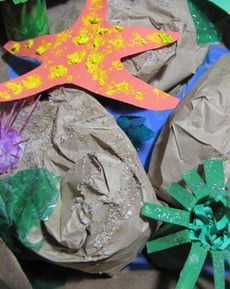
On Education.com, second-grade life science activities introduce young learners to plants, animals, habitats, and the human body through hands-on projects. These activities span growing seeds in jars, building plant and animal models, observing animal life cycles like butterflies and frogs, creating habitats, and exploring the five senses. Such activities help children understand growth, adaptations, and ecosystems by engaging them in practical experiences. This approach makes science accessible and exciting for young students.
Learn about second-grade life science through a variety of resources including worksheets, printable activities, classroom lesson plans, projects, and experiments on Education.com. Educators and parents can access structured materials that address key concepts like plant growth, animal behavior, human anatomy, and ecosystems. These resources support interactive learning sessions, provide easy-to-follow instructions, and inspire curiosity and exploration.
Using this collection of materials on Education.com saves educators and parents time by providing ready-to-use activities that promote active engagement. Cards, quizzes, science experiments, and interactive exercises encourage children to observe, investigate, and understand the natural world. Each resource helps to reinforce science standards while nurturing a sense of wonder and discovery.
Learn about second-grade life science through a variety of resources including worksheets, printable activities, classroom lesson plans, projects, and experiments on Education.com. Educators and parents can access structured materials that address key concepts like plant growth, animal behavior, human anatomy, and ecosystems. These resources support interactive learning sessions, provide easy-to-follow instructions, and inspire curiosity and exploration.
Using this collection of materials on Education.com saves educators and parents time by providing ready-to-use activities that promote active engagement. Cards, quizzes, science experiments, and interactive exercises encourage children to observe, investigate, and understand the natural world. Each resource helps to reinforce science standards while nurturing a sense of wonder and discovery.