
Activity
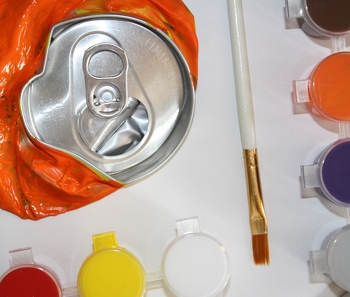
Can Crusher Experiment

This can crusher experiment is the perfect way to demonstrate the wonders of pressure and condensation. All you need is the power of air and water to produce the amazing end result: a crushed soda can!
Related learning resources
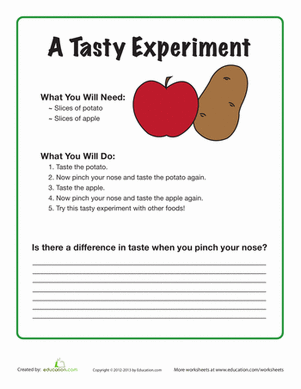
Taste Experiment
Worksheet
Taste Experiment
Sometimes your senses can play tricks on you. Experiment with your sense of taste and your sense of smell with this simple experiment!
Science
Worksheet
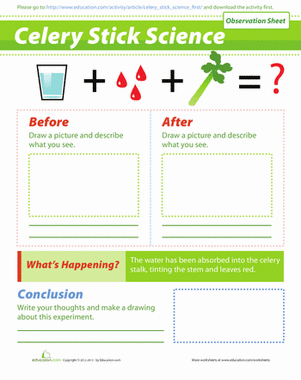
Celery Experiment
Worksheet
Celery Experiment
Learn more about how plants work with this cool celery experiment! Use this worksheet to help you record your observations after doing this experiment.
1st Grade
Science
Worksheet

Erosion Experiment
Activity
Erosion Experiment
Do you think you can blow down a sand castle with a mighty wind? Find out which material stands up best to erosion in this erosion experiment.
2nd Grade
Science
Activity