
Activity
Kool-Aid Tie-Dye

This Kool-Aid tie-dye activity may send you back to the 60's. But did you know that tie-dye techniques date back to Pre-Columbian times, and Peru in 500-800 A.D.? Shibori is another form of tie-dye that originated in Japan in the 8th century. The wonderful colors and designs of this method have intrigued many generations across many cultures but can be made easily and with simple household ingredients. The finished homemade tie-dye shirts are sure to impress and make great gifts for friends and family. This kid-friendly activity never gets old (unlike your bell-bottoms)!
Related learning resources
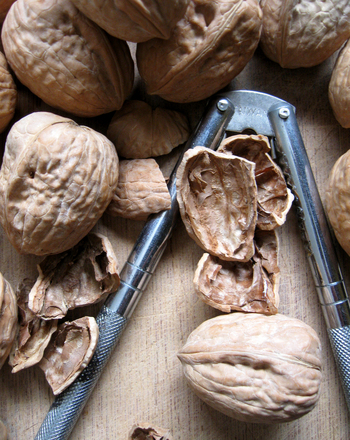
Walnut Shell Dye
Activity
Walnut Shell Dye
Teach your child how to make an all-natural, yellow-brown dye, using just walnut shells and water. This deep dye can be used on textiles, art, and wood.
4th Grade
Science
Activity
The Chemistry of Dyeing Easter Eggs
Activity
The Chemistry of Dyeing Easter Eggs
Will adding vinegar to dye help the eggshell absorb the color? This colorful science project has the answers!
4th Grade
Science
Activity

Fleece Tie Blanket
Activity
Fleece Tie Blanket
...Finally, show him how to tie the fringe off with balloon-knots all the way around the blanket, and his creation is complete!...
4th Grade
Activity