
Activity
Start a Kids' Book Club

For many kids, the notion of a parent/child book club could spell more flipping out than flipping through pages cover to cover. But kids' book clubs are springing up left and right, and book clubs are quickly evolving to fit every kind of kid, from the novel novice to the seasoned skimmer. These clubs provide a comfortable, communal atmosphere that promotes reading, critical thinking, and expressing ideas. The best part? Parents will get an extra-special glimpse of how and what their kid is really thinking about the world.
Related learning resources

Secret Club: Categorizing
Worksheet
Secret Club: Categorizing
Several people in this worksheet are part of a club. Help your child identify what the club kids have in common!
Preschool
Math
Worksheet

Glossary: What's in a Book?
Worksheet
Glossary: What's in a Book?
Use this glossary with the EL Support Lesson: What's in a Book?
English Language Arts
Worksheet
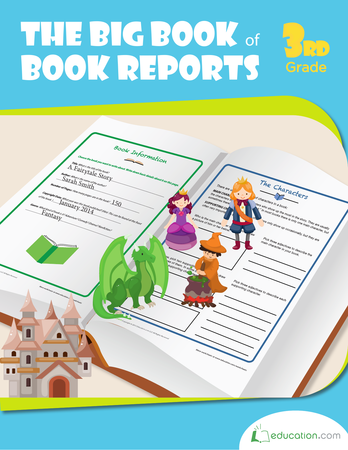
The Big Book of Book Reports
Workbook
The Big Book of Book Reports
Make book reports a breeze with this workbook that contains plenty of pages for kids to thoroughly investigate and write about a book.
English Language Arts
Workbook