
Activity
Wax Paper Art

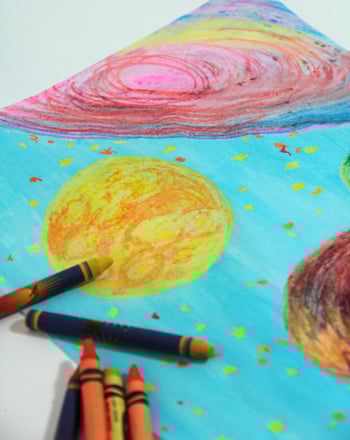
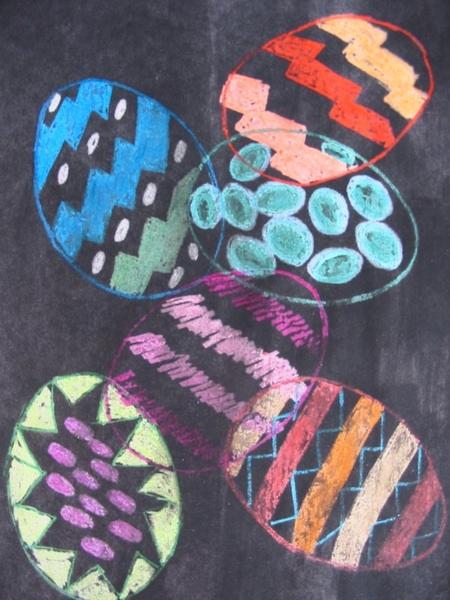
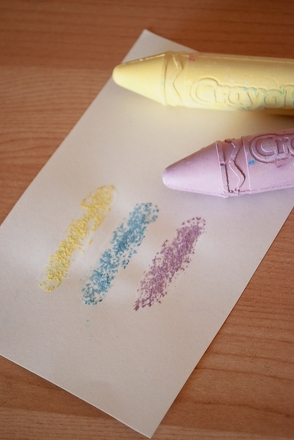
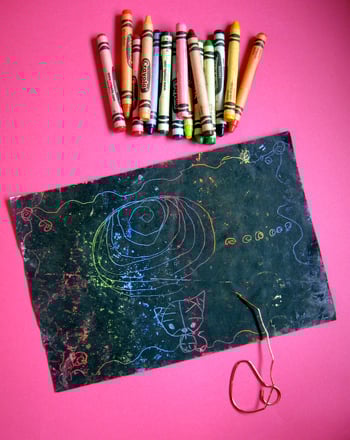
If your kid likes to color, you probably know all too well that crayons go quickly, and chances are, you've accumulated plenty of old crayon stubs. Put those stubs to use by creating colorful ironed wax paper art! This recycled craft is a great way to show your child one way to use her old supplies to create a fun, new masterpiece sure to brighten up any home. As an added bonus, working with the crayons builds fine motor skill and it will give you an opportunity to quiz her on the various color names.
Note: This project should be supervised by an adult at all times.
Related learning resources
Wax Paper Hearts
Activity
Wax Paper Hearts
Wax paper hearts are a unique and glittery gift for a special friend on Valentine's Day. Make wax paper hearts with your child this February.
3rd Grade
Activity
Wax Paper Skating
Activity
Wax Paper Skating
When itâs too warm to ice skate or too cold to roller skate or you simply want an anytime, indoor activity, set up a wax paper skating rink.
Kindergarten
Activity
Sponge Art Wrapping Paper
Activity
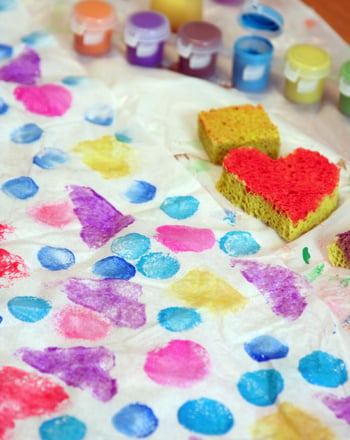
Sponge Art Wrapping Paper
Show your child how to make homemade wrapping paper with a twist by using sponge art to create the fabulous designs. Here's how:
Kindergarten
Activity