1st Grade Physical Science Activities

44 results
Science
✕1st Grade
✕Activities
✕44 results
Subtopics:
1st Grade Physical Science Activities
44 results
Science
✕1st Grade
✕Activities
✕44 results























About 1st Grade Physical Science Activities
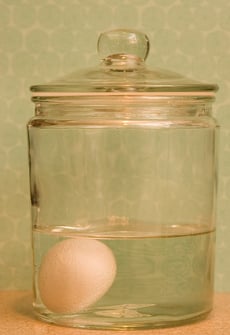
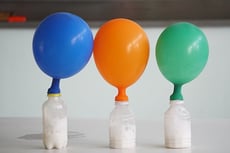
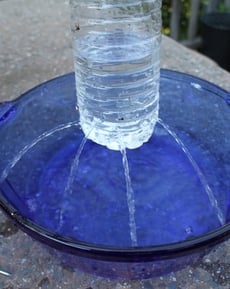
On Education.com, first-grade physical science activities help young students explore forces, motion, matter, and energy through fun, hands-on experiences like building balloon cars to learn about forces or conducting sink or float experiments to understand buoyancy. These activities focus on introducing core concepts such as gravity, magnetism, and states of matter in an engaging and accessible way.
Parents and teachers can access printable worksheets, classroom lesson plans, and digital activities that make exploring physical science interactive and entertaining. Resources include magnet experiments, pattern recognition with motion, and exploring energy through simple machines, providing a variety of teaching tools to support student learning and curiosity.
Using these activities allows educators and parents to create structured yet flexible learning environments that foster exploration and critical thinking. These resources provide practical ideas for experimenting at home or in the classroom to help first-graders experience the scientific process firsthand.
Parents and teachers can access printable worksheets, classroom lesson plans, and digital activities that make exploring physical science interactive and entertaining. Resources include magnet experiments, pattern recognition with motion, and exploring energy through simple machines, providing a variety of teaching tools to support student learning and curiosity.
Using these activities allows educators and parents to create structured yet flexible learning environments that foster exploration and critical thinking. These resources provide practical ideas for experimenting at home or in the classroom to help first-graders experience the scientific process firsthand.