
Activity
Does Liquid Weigh More after Freezing and Boiling?

Ice is created when water is frozen past the freezing point which is 0ºC or 32ºF, under normal conditions. When water freezes, the particles are tightly packed together and are more stationary than in the liquid state. It is now a solid rather than a liquid. But does it weigh more? If you boil it, does water lose weight?
Problem:
Does boiling and freezing water have an effect on how much it weighs?
Materials:
- Water (ordinary tap water will work)
- Two cups that can hold boiling liquids
- Kettle
- Freezer
- Kitchen scale
- Pen and paper for notes
Procedure:
- Weigh the cups you are going to pour the water in on the kitchen scale. Take a note of these numbers.
- Fill both cups with equal amounts of water and weigh this on the kitchen scale. Keep note of this number.
- Subtract the first number (the weight of the cup) from the second number (total weight) to find the weight of the water.
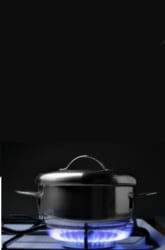
- Take one cup and label it “boiling hot” and pour the water from this cup into a beaker (if you are using a lab burner) or in a pot if you are using a kitchen stove. Watch until it bubbles (you can also stick a thermometer in) and carefully pour all of the water back into the cup. Weigh this on the kitchen scale and keep note of this number.
- Now take the other cup and label it “freeze.” Put this in the freezer for at least two hours or until it is completely frozen. Take it out and weigh it on the kitchen scale.
- Evaluate your results: Did the weights change at all?
Disclaimer and Safety Precautions
Education.com provides the Science Fair Project Ideas for informational purposes only. Education.com does not make any guarantee or representation regarding the Science Fair Project Ideas and is not responsible or liable for any loss or damage, directly or indirectly, caused by your use of such information. By accessing the Science Fair Project Ideas, you waive and renounce any claims against Education.com that arise thereof. In addition, your access to Education.com's website and Science Fair Project Ideas is covered by Education.com's Privacy Policy and site Terms of Use, which include limitations on Education.com's liability.
Warning is hereby given that not all Project Ideas are appropriate for all individuals or in all circumstances. Implementation of any Science Project Idea should be undertaken only in appropriate settings and with appropriate parental or other supervision. Reading and following the safety precautions of all materials used in a project is the sole responsibility of each individual. For further information, consult your state's handbook of Science Safety.
Education.com provides the Science Fair Project Ideas for informational purposes only. Education.com does not make any guarantee or representation regarding the Science Fair Project Ideas and is not responsible or liable for any loss or damage, directly or indirectly, caused by your use of such information. By accessing the Science Fair Project Ideas, you waive and renounce any claims against Education.com that arise thereof. In addition, your access to Education.com's website and Science Fair Project Ideas is covered by Education.com's Privacy Policy and site Terms of Use, which include limitations on Education.com's liability.
Warning is hereby given that not all Project Ideas are appropriate for all individuals or in all circumstances. Implementation of any Science Project Idea should be undertaken only in appropriate settings and with appropriate parental or other supervision. Reading and following the safety precautions of all materials used in a project is the sole responsibility of each individual. For further information, consult your state's handbook of Science Safety.
Related learning resources
Liquid Measurement
Worksheet
Liquid Measurement
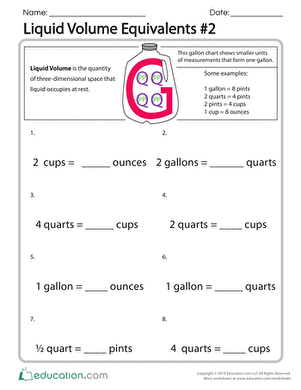
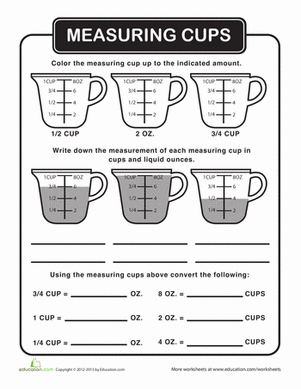
Help your child learn the basics of liquid measurement with this worksheet, and then he can try helping out in the kitchen for a hands-on lesson!
5th Grade
Math
Worksheet
Snow to Liquid Ratio
Activity
Snow to Liquid Ratio
Science fair project that examines the different types of precipitation, evaluates the density of snow and calculates the ratio of snow-to-liquid.
Science
Activity
Liquid Measure Conversion
Worksheet
Liquid Measure Conversion
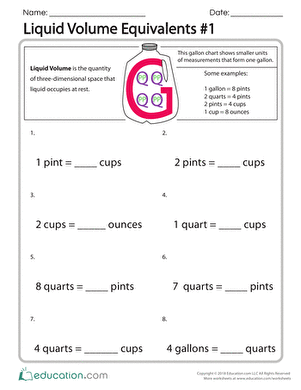
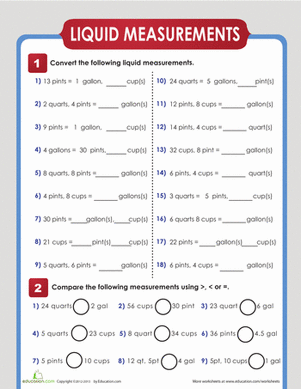
This practice sheet includes four units of liquid measure: cups, pints, quarts and gallons, for conversion practice you can count on, and cook with!
5th Grade
Math
Worksheet