Physical Science Resources

602 results
Science
✕602 results
Physical Science Resources
602 results
Science
✕602 results













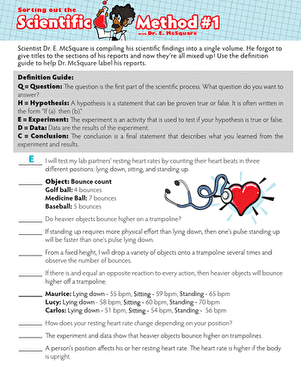


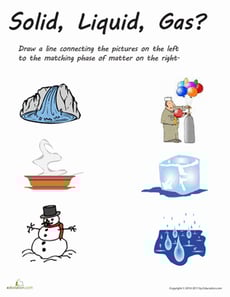

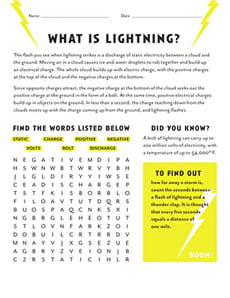

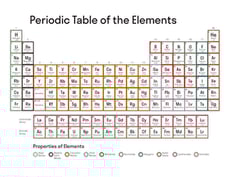










About Physical Science Resources
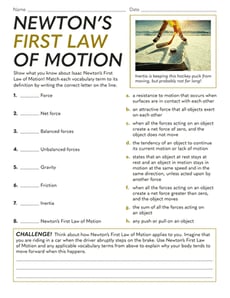
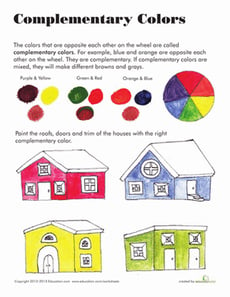
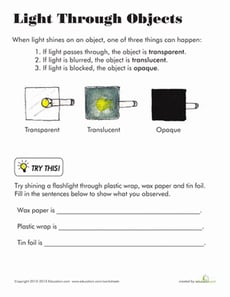
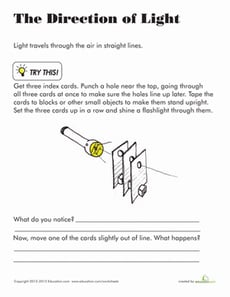
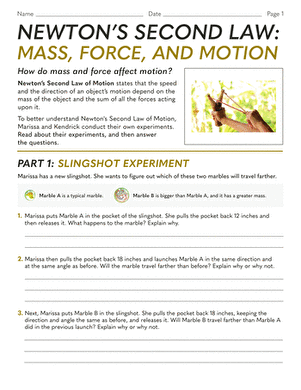
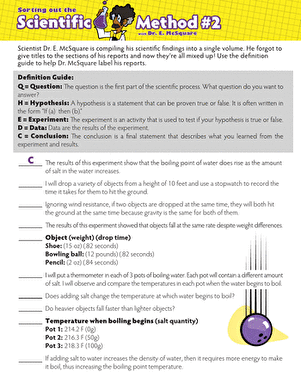
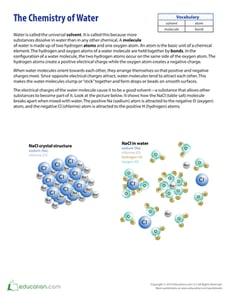
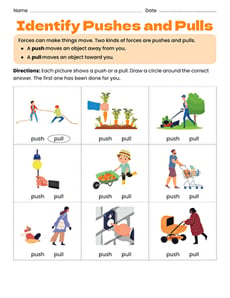
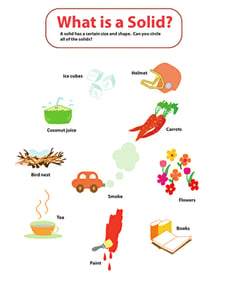
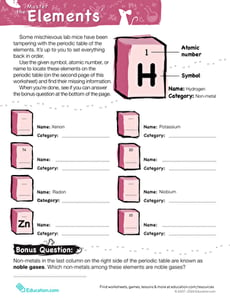
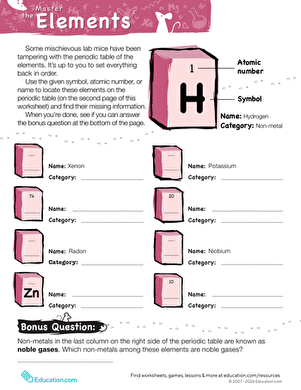
On Education.com, physical science resources provide a wide range of educational materials including worksheets, lesson plans, experiments, and activities that cover fundamental topics like motion, energy, states of matter, and chemical reactions. These resources aim to make complex concepts accessible and engaging for students at various learning levels. Combining theoretical lessons with hands-on experiments encourages exploration and reinforces scientific principles.
These materials include digital simulations, interactive experiments, and classroom-ready sets that support educators and parents in teaching physical science. By offering structured content and creative activity ideas, Education.com helps students develop critical thinking, observation skills, and a deeper understanding of the physical world. These resources can be used for classroom instruction, after-school programs, or homeschooling programs.
Finding prepared worksheets and activities saves educators and parents time by providing ready-to-use resources that can be easily incorporated into lessons or study routines. Summer projects, science fairs, and homework assignments become more manageable with access to structured experiments and engaging worksheets. By offering diverse, research-backed classroom materials on Education.com, learners can explore physics and chemistry in an enjoyable and meaningful way.
These materials include digital simulations, interactive experiments, and classroom-ready sets that support educators and parents in teaching physical science. By offering structured content and creative activity ideas, Education.com helps students develop critical thinking, observation skills, and a deeper understanding of the physical world. These resources can be used for classroom instruction, after-school programs, or homeschooling programs.
Finding prepared worksheets and activities saves educators and parents time by providing ready-to-use resources that can be easily incorporated into lessons or study routines. Summer projects, science fairs, and homework assignments become more manageable with access to structured experiments and engaging worksheets. By offering diverse, research-backed classroom materials on Education.com, learners can explore physics and chemistry in an enjoyable and meaningful way.