
Preschool English Language Arts Activities

















About Preschool English Language Arts Activities
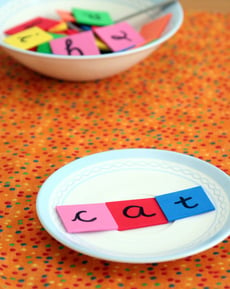
On Education.com, preschool English Language Arts (ELA) activities support early literacy development through engaging ideas such as interactive reading games, letter recognition exercises, and phonics practice. These resources include printable worksheets, storytelling prompts, and phoneme-identification exercises that help young learners strengthen foundational reading and writing skills. By focusing on making language education fun and accessible, parents and educators can foster a love of reading and set the stage for future academic success.
Parents and teachers can access a variety of ELA resources on Education.com, such as alphabet hunts, nursery rhyme activities, sensory writing exercises, and drawing stories. These materials provide age-appropriate tools that encourage active listening, conversation, and hands-on learning. Each activity is designed to keep children engaged while promoting literacy skills, creativity, and confidence.
Using on Education.com, educators and parents can explore structured lesson plans, printable activities, and interactive games tailored to preschool ELA learning. These resources streamline prep time and ensure lessons include a mix of fun, educational moments. Children learn reading, writing, and language skills through playful practice, enabling them to build strong literacy foundations while having fun.
Parents and teachers can access a variety of ELA resources on Education.com, such as alphabet hunts, nursery rhyme activities, sensory writing exercises, and drawing stories. These materials provide age-appropriate tools that encourage active listening, conversation, and hands-on learning. Each activity is designed to keep children engaged while promoting literacy skills, creativity, and confidence.
Using on Education.com, educators and parents can explore structured lesson plans, printable activities, and interactive games tailored to preschool ELA learning. These resources streamline prep time and ensure lessons include a mix of fun, educational moments. Children learn reading, writing, and language skills through playful practice, enabling them to build strong literacy foundations while having fun.