
Subtopics:
Preschool Physical Science Activities











About Preschool Physical Science Activities
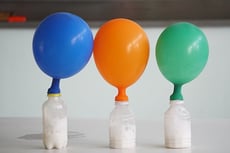
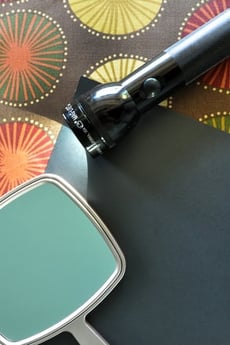
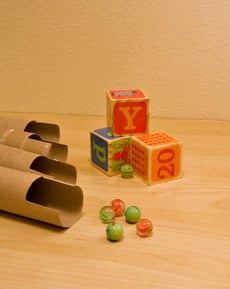
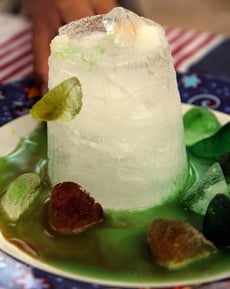
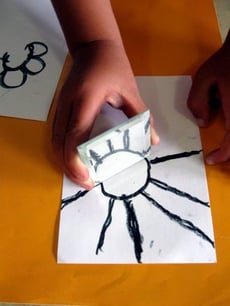
On Education.com, preschool physical science activities introduce young children to fundamental concepts such as buoyancy, gravity, friction, chemical reactions, and states of matter. These activities use everyday items to make learning hands-on, engaging, and accessible, supporting early exploration and scientific observation. Examples include Sink or Float experiments, Magic Milk demonstrations, building ramps for toy cars, making bubbles, and exploring magnets with magnets, helping children develop curiosity and foundational scientific skills.
This page on Education.com provides printable worksheets, lesson plans, and activity guides for hands-on preschool physics and chemistry explorations. Resources are designed to help parents and teachers incorporate experiments and activities into learning, encouraging prediction, observation, and experimentation. By providing ready-to-use materials, educators can confidently introduce scientific concepts to early learners in a structured and engaging manner.
Using the Preschool Physical Science Activities page, parents and educators can save time by accessing pre-designed activities that blend fun with educational value, making science accessible and enjoyable. These hands-on experiences promote early critical thinking and problem-solving skills while providing structured environments for children to explore the world around them through play and inquiry.
This page on Education.com provides printable worksheets, lesson plans, and activity guides for hands-on preschool physics and chemistry explorations. Resources are designed to help parents and teachers incorporate experiments and activities into learning, encouraging prediction, observation, and experimentation. By providing ready-to-use materials, educators can confidently introduce scientific concepts to early learners in a structured and engaging manner.
Using the Preschool Physical Science Activities page, parents and educators can save time by accessing pre-designed activities that blend fun with educational value, making science accessible and enjoyable. These hands-on experiences promote early critical thinking and problem-solving skills while providing structured environments for children to explore the world around them through play and inquiry.