



































About Educational Common Core Letters Games
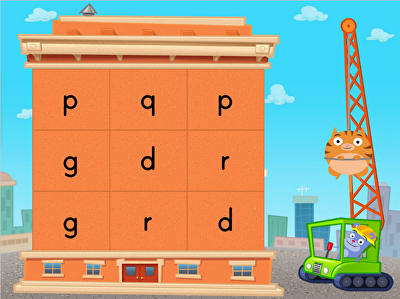
On Education.com, educational Common Core letter games introduce young learners to letter recognition, phonics, and early reading skills through fun and engaging activities. These interactive games feature hands-on options like Alphabet Bingo, letter-matching puzzles, and digital printable worksheets that support foundational literacy development while aligning with national educational standards. Such resources make learning letters engaging for preschool and early elementary students, reinforcing key skills through interactive play.
Connect to various Education.com worksheets, printable activities, and lesson plans that focus on uppercase and lowercase letters, letter sounds, sight words, and spelling practice. These resources provide educators and parents with ready-to-use tools to reinforce classroom lessons or support at-home learning. Structured activities such as alphabet tracing, matching games, and sensory bin letter searches make it easy to combine education and play while tracking progress.
Educators can incorporate these games into classroom centers starting with alphabet reinforcement, while parents can use them to encourage early literacy during daily routines. The variety of hands-on and digital options helps make letter learning interactive and accessible for all learners, makes assessments through activity reports, and brick-by-brick builds foundational reading ability.
Connect to various Education.com worksheets, printable activities, and lesson plans that focus on uppercase and lowercase letters, letter sounds, sight words, and spelling practice. These resources provide educators and parents with ready-to-use tools to reinforce classroom lessons or support at-home learning. Structured activities such as alphabet tracing, matching games, and sensory bin letter searches make it easy to combine education and play while tracking progress.
Educators can incorporate these games into classroom centers starting with alphabet reinforcement, while parents can use them to encourage early literacy during daily routines. The variety of hands-on and digital options helps make letter learning interactive and accessible for all learners, makes assessments through activity reports, and brick-by-brick builds foundational reading ability.