
Educational Collecting and Organizing Data Games























About Educational Collecting And Organizing Data Games
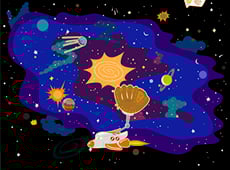
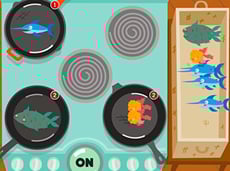
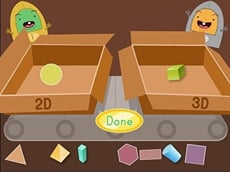
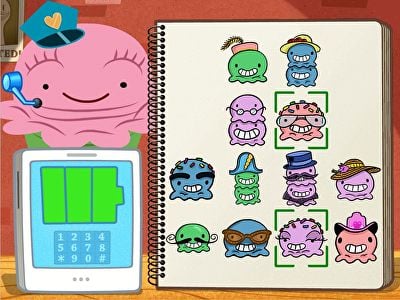
On Education.com, discover a variety of interactive resources and activities designed to teach children how to collect and organize data. These include hands-on worksheets, printable chart activities, and classroom lessons that emphasize skills like data sorting, graphing, and categorization. By engaging in these early math and science exercises, students learn to interpret and make decisions based on information, building a strong foundation for analytical thinking.
This platform provides structured lesson plans, printable activities, and games that make learning how to gather and arrange data accessible and engaging. Educators and parents can find ready-to-use materials that support curriculum standards and promote practical, real-world skills. These resources foster teamwork, problem-solving, and attention to detail as students explore patterns and analyze information.
Using these educational games and exercises at home, children can practice organizing data, creating charts, and analyzing trends without complex equipment. Teachers can integrate these activities into classroom instruction, providing seamless, ready-made materials that enhance math, science, and critical thinking lessons. Both settings promote hands-on learning that inspires curiosity and cultivates data literacy skills for future academic success.
This platform provides structured lesson plans, printable activities, and games that make learning how to gather and arrange data accessible and engaging. Educators and parents can find ready-to-use materials that support curriculum standards and promote practical, real-world skills. These resources foster teamwork, problem-solving, and attention to detail as students explore patterns and analyze information.
Using these educational games and exercises at home, children can practice organizing data, creating charts, and analyzing trends without complex equipment. Teachers can integrate these activities into classroom instruction, providing seamless, ready-made materials that enhance math, science, and critical thinking lessons. Both settings promote hands-on learning that inspires curiosity and cultivates data literacy skills for future academic success.