
Educational Kindergarten Addition Games










About Educational Kindergarten Addition Games
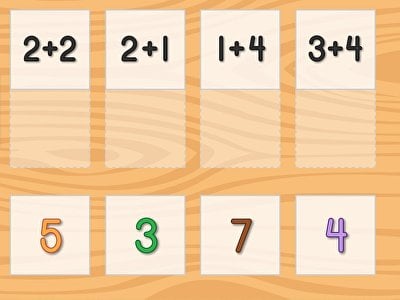
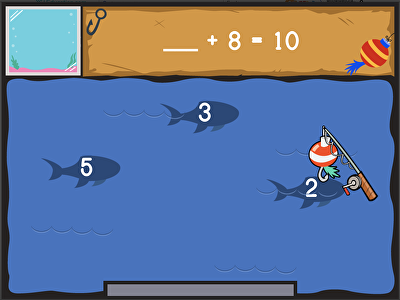
On Education.com, kindergarten addition games provide hands-on activities, digital resources, and interactive lessons to teach first-grade students how to add numbers, make ten, and understand number bonds. These engaging games include using objects like counters or beads and digital tools to strengthen mathematic skills while making learning fun. They help children develop confidence in addition, improve number sense, and lay the foundation for more advanced math concepts.
Explore a variety of math worksheets, printable activities, and classroom lesson plans focusing on addition, such as number bonds, sums within 20, and addition with regrouping. These resources support educators and parents by providing structured, educational materials that reinforce learning through practice and repetition. Each activity is designed to enhance problem-solving skills and promote quick mental math.
Using structured addition games and worksheets on Education.com allows educators and parents to easily integrate educational exercises into daily routines, practice methods, and remote learning experiences. Consistent practice through fun exercises builds both understanding of number relationships and a positive attitude towards mathematics. These resources offer continuous support for young learners to enjoy learning addition and progress to more complex math in the classroom and at home.
Explore a variety of math worksheets, printable activities, and classroom lesson plans focusing on addition, such as number bonds, sums within 20, and addition with regrouping. These resources support educators and parents by providing structured, educational materials that reinforce learning through practice and repetition. Each activity is designed to enhance problem-solving skills and promote quick mental math.
Using structured addition games and worksheets on Education.com allows educators and parents to easily integrate educational exercises into daily routines, practice methods, and remote learning experiences. Consistent practice through fun exercises builds both understanding of number relationships and a positive attitude towards mathematics. These resources offer continuous support for young learners to enjoy learning addition and progress to more complex math in the classroom and at home.