
Educational Short Vowels Games



About Educational Short Vowels Games
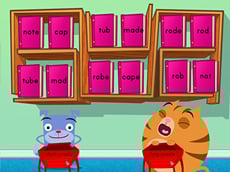
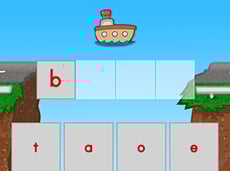
On Education.com, parents and teachers can explore a variety of educational short vowel games, including online sorting activities, classroom exercises, and printable page-based games. These resources help children practice recognizing, blending, and spelling CVC (consonant-vowel-consonant) words, promoting phonemic awareness and early reading skills while keeping learning engaging and interactive.
Educational short vowel games on Education.com include interactive sorting activities, board games that encourage word building, and hands-on card and dice games that reinforce short vowel sounds. These games support children in distinguishing between short and long vowels, strengthening foundational reading abilities and enhancing vocabulary in a fun and memorable way.
Teachers and parents can use these materials at home or in the classroom to make learning short vowels interactive and effective. By incorporating games that emphasize phonics and word recognition, young learners can develop confidence in reading, improve spelling skills, and enjoy the process of exploring new words.
Educational short vowel games on Education.com include interactive sorting activities, board games that encourage word building, and hands-on card and dice games that reinforce short vowel sounds. These games support children in distinguishing between short and long vowels, strengthening foundational reading abilities and enhancing vocabulary in a fun and memorable way.
Teachers and parents can use these materials at home or in the classroom to make learning short vowels interactive and effective. By incorporating games that emphasize phonics and word recognition, young learners can develop confidence in reading, improve spelling skills, and enjoy the process of exploring new words.