
Educational 3rd Grade Phonics Games

About Educational 3rd Grade Phonics Games
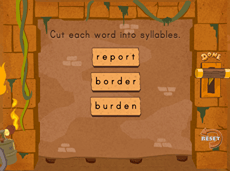
On Education.com, educational third-grade phonics games help students practice and master advanced reading skills. These activities focus on vowel teams, silent 'e', blends, digraphs, and multisyllabic words through engaging exercises like word sorts, bingo, and decoding games. Students can build fluency, improve spelling, and strengthen phonemic awareness in a fun and interactive way.
Explore a wide range of kindergarten-to-4th grade phonics printables and digital games on Education.com, including interactive lessons, interactive worksheets, and printable activities. Educators and parents can use these resources to create structured learning experiences that reinforce sound recognition, word blending, and reading comprehension. The targeted exercises allow students to practice phonics concepts in multiple contexts, boosting confidence and reading success.
Using these third-grade phonics games in classrooms or at home, educators and parents can accelerate phonics mastery with ready-to-use materials that save time on planning. Materials support differentiated instruction by providing practice at various skill levels and allowing students to review phonics patterns while having fun. Structured finger-tracking and matching activities promote independence in reading and spelling, making learning both effective and enjoyable.
Explore a wide range of kindergarten-to-4th grade phonics printables and digital games on Education.com, including interactive lessons, interactive worksheets, and printable activities. Educators and parents can use these resources to create structured learning experiences that reinforce sound recognition, word blending, and reading comprehension. The targeted exercises allow students to practice phonics concepts in multiple contexts, boosting confidence and reading success.
Using these third-grade phonics games in classrooms or at home, educators and parents can accelerate phonics mastery with ready-to-use materials that save time on planning. Materials support differentiated instruction by providing practice at various skill levels and allowing students to review phonics patterns while having fun. Structured finger-tracking and matching activities promote independence in reading and spelling, making learning both effective and enjoyable.