
English Language Support Reading Fluency Lesson Plans
2 results
English Language Arts
✕Lesson Plans
✕English Language Support
✕Sort by:
2 results
Sort by:


About English Language Support Reading Fluency Lesson Plans
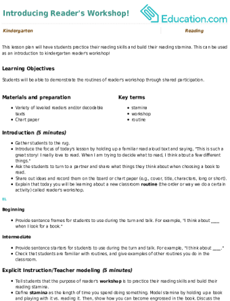
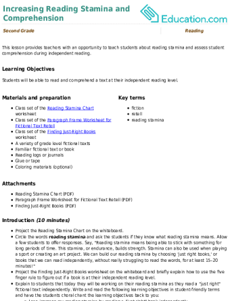
On Education.com, English Language Support (ELS) reading fluency lesson plans provide structured activities helping students improve accuracy, pace, and expression while reading. They incorporate strategies like repeated reading, choral reading, and reader’s theater, using decodable texts and graded passages that build confidence and automaticity. These lessons are designed to support early readers and bilingual learners by combining practice with comprehension and vocabulary development.
Guidance for educators includes step-by-step lesson frameworks that emphasize modeling fluent reading, student practice, and feedback. Materials such as printable worksheets and classroom activities allow teachers to adapt exercises to meet individual student needs. Practice resources also incorporate tracking progress and reinforcing strategies for reading mastery.
Parents can select structured at-home exercises that build reading skills gradually while fostering confidence and enjoyment. Each activity provides clear instructions, printable worksheets, and engaging stories that enhance fluency practice, comprehension, and literacy growth. This structured approach makes reading practice accessible and effective for young learners.
Guidance for educators includes step-by-step lesson frameworks that emphasize modeling fluent reading, student practice, and feedback. Materials such as printable worksheets and classroom activities allow teachers to adapt exercises to meet individual student needs. Practice resources also incorporate tracking progress and reinforcing strategies for reading mastery.
Parents can select structured at-home exercises that build reading skills gradually while fostering confidence and enjoyment. Each activity provides clear instructions, printable worksheets, and engaging stories that enhance fluency practice, comprehension, and literacy growth. This structured approach makes reading practice accessible and effective for young learners.