
Subtopics:
- Analyze Characters
- Author's Purpose
- Cause and Effect
- Compare and Contrast
- Comprehension Questions
- Fact and Opinion
- Main Idea
- Make Connections
- Make Inferences
- Make Predictions
- Point of View and Perspective
- Problem and Solution
- Sequence of Events
- Story Elements
- Summarize and Retell
- Text Features
- Text Structure
- Theme
- Word Choice✕
Word Choice Resources
11 results
English Language Arts
✕Sort by:
11 results
Sort by:









About Word Choice Resources
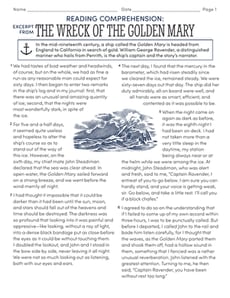
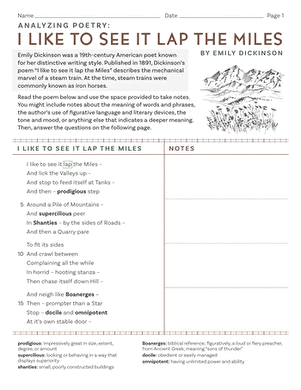
On Education.com, word choice resources include materials such as worksheets, vocabulary practice activities, and guides that help students improve their writing. These resources provide exercises for selecting precise language, expanding vocabulary, and avoiding confusing or vague words. By exploring these pages, educators and parents can find tools to help learners develop clarity, express ideas effectively, and enhance their overall writing skills.
Word choice pages feature printable assignments, interactive games, and exercises designed to strengthen language mastery. These resources support practice with synonyms, antonyms, idiomatic expressions, and context-based vocabulary. Using structured activities like sentence completion and paragraph editing, students can learn to select words that fit meaning, tone, and audience. This makes the learning process engaging and improves communication skills across the curriculum.
Educators and parents can use these resources to plan lessons on descriptive writing, literature analysis, or professional communication. The materials save time by providing ready-to-use exercises that reinforce proper word usage. Learners gain confidence in choosing vocabulary that enhances the reader’s experience and supports clear expression. Regular practice with these tools helps students become more intentional and effective writers.
Word choice pages feature printable assignments, interactive games, and exercises designed to strengthen language mastery. These resources support practice with synonyms, antonyms, idiomatic expressions, and context-based vocabulary. Using structured activities like sentence completion and paragraph editing, students can learn to select words that fit meaning, tone, and audience. This makes the learning process engaging and improves communication skills across the curriculum.
Educators and parents can use these resources to plan lessons on descriptive writing, literature analysis, or professional communication. The materials save time by providing ready-to-use exercises that reinforce proper word usage. Learners gain confidence in choosing vocabulary that enhances the reader’s experience and supports clear expression. Regular practice with these tools helps students become more intentional and effective writers.