
Common Core Classifying Two-Dimensional Shapes Resources
Common Core Quick Links:
Common Core State Standards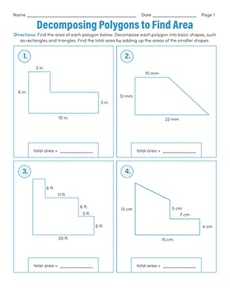












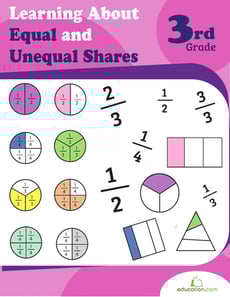


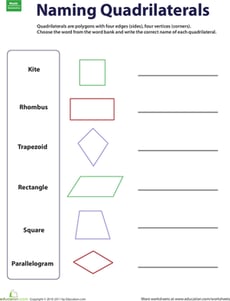


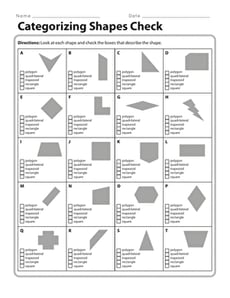












About Common Core Classifying Two-dimensional Shapes Resources
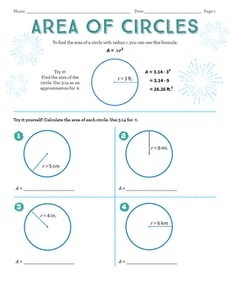
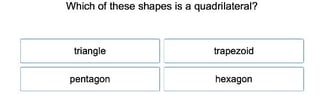
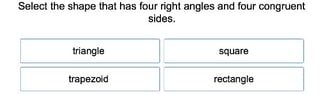
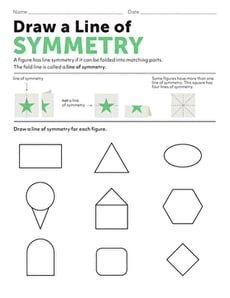
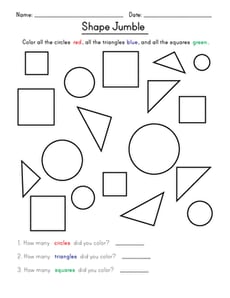
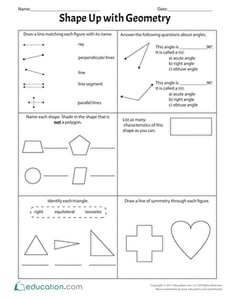
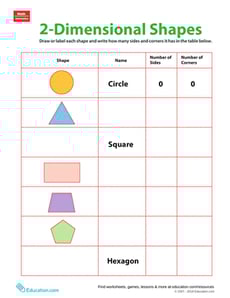
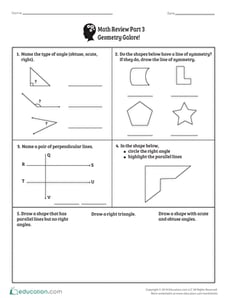
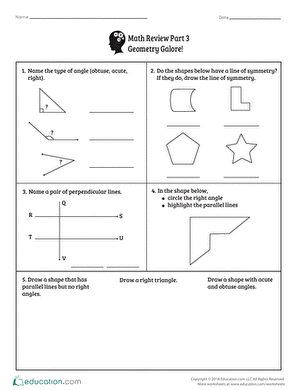
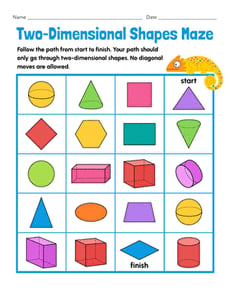
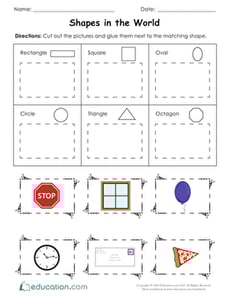
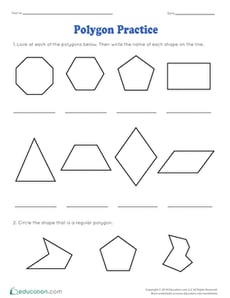
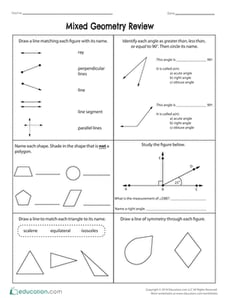
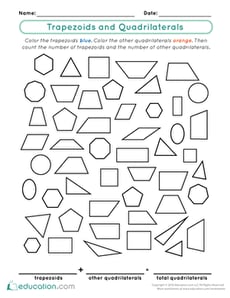
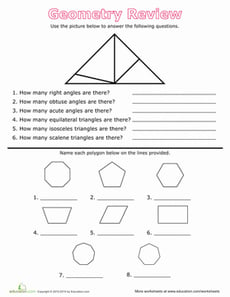
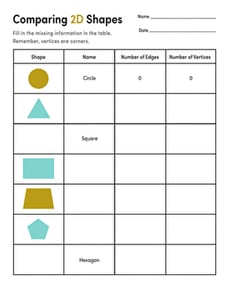
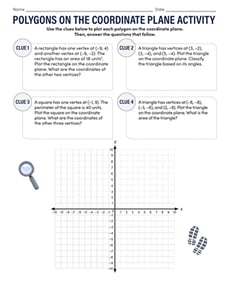
On Education.com, the Common Core classifying two-dimensional shapes resources provide students with materials to identify and categorize the attributes of shapes such as triangles, quadrilaterals, and polygons. These resources include worksheets, printable activities, and interactive exercises that help children develop geometric reasoning skills. Educators and parents can use these tools to support instruction aligned with standards such as 1.G.A.1, 2.G.1, and 5.G.4.
These resources on Education.com feature a wide range of digital templates, guided activities, and visual aids to assist students in recognizing sides, angles, vertices, and other shape characteristics. The site offers practice exercises, sorting games, and lesson plans that make learning about geometry engaging and accessible. Each resource is designed to reinforce foundational math concepts and promote critical thinking.
Educators and parents can explore these materials to save time creating custom lesson plans and activities. The resources provide structured, standards-based content that supports classroom learning and at-home practice. By using these ready-made tools, learners can strengthen shape classification, apply geometry principles, and build a solid math foundation.
These resources on Education.com feature a wide range of digital templates, guided activities, and visual aids to assist students in recognizing sides, angles, vertices, and other shape characteristics. The site offers practice exercises, sorting games, and lesson plans that make learning about geometry engaging and accessible. Each resource is designed to reinforce foundational math concepts and promote critical thinking.
Educators and parents can explore these materials to save time creating custom lesson plans and activities. The resources provide structured, standards-based content that supports classroom learning and at-home practice. By using these ready-made tools, learners can strengthen shape classification, apply geometry principles, and build a solid math foundation.