
8th Grade Common Core Compare and Contrast Resources
Common Core Quick Links:
Common Core Standards for 8th Grade Math, Common Core Standards for 8th Grade ELA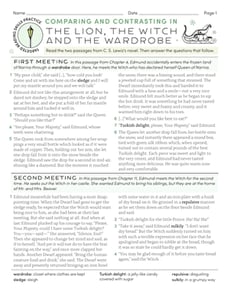







About 8th Grade Common Core Compare And Contrast Resources
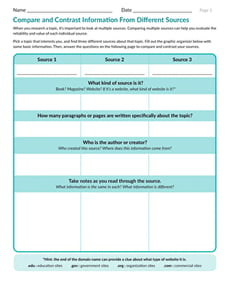
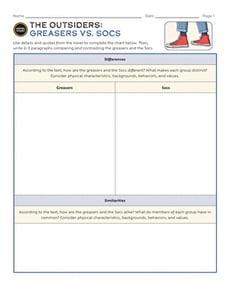
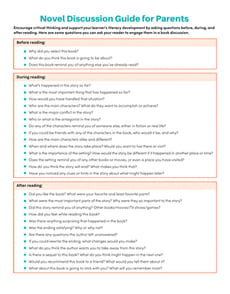
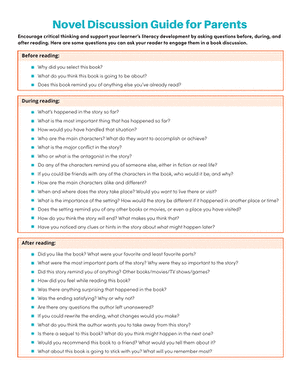
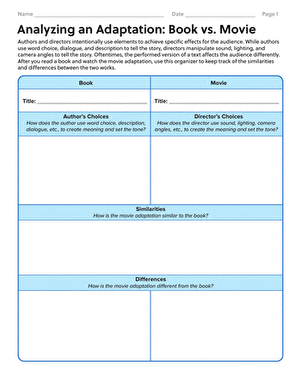
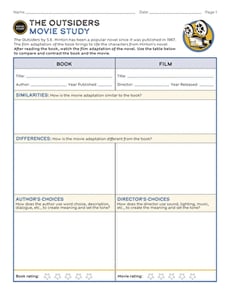
On Education.com,sevening students compare and contrast texts by exploring different versions, genres, or adaptations using graphic organizers like Venn diagrams and double bubble maps. Educators can access worksheets and practice activities for RL.8.5 (text structure) and RL.8.7 (library, book, or movie comparisons). These materials support reading comprehension, literary analysis, and close reading skills. By analyzing character, theme, and narrative techniques across texts, students deepen their critical thinking and interpretive abilities.
Compare and contrast materials on Education.com help eighth-grade students analyze nonfiction and fiction works, such as articles, short stories, and media adaptations. Resources include printable charts, on-page exercises, and lesson plans that break down elements like plot, setting, and style. These tools guide students to evaluate similarities and differences effectively while supporting writing and discussion skills. By engaging with diverse texts, learners strengthen literacy and analytical thinking.
Educators and parents can use these compare and contrast materials to support instruction across literature and media studies. Use guided worksheets, digital assessments, and classroom activities to teach students to organize ideas visually, compare multiple perspectives, and synthesize information. This structured approach saves preparation time while providing engaging exercises that reinforce core standards. Students gain the skills to compare narratives, evaluate media, and develop critical analysis.
Compare and contrast materials on Education.com help eighth-grade students analyze nonfiction and fiction works, such as articles, short stories, and media adaptations. Resources include printable charts, on-page exercises, and lesson plans that break down elements like plot, setting, and style. These tools guide students to evaluate similarities and differences effectively while supporting writing and discussion skills. By engaging with diverse texts, learners strengthen literacy and analytical thinking.
Educators and parents can use these compare and contrast materials to support instruction across literature and media studies. Use guided worksheets, digital assessments, and classroom activities to teach students to organize ideas visually, compare multiple perspectives, and synthesize information. This structured approach saves preparation time while providing engaging exercises that reinforce core standards. Students gain the skills to compare narratives, evaluate media, and develop critical analysis.