SKIP TO CONTENT
Worksheet Generator
Subjects
Grades
Worksheets
Games
Build a Worksheet
More Resources
Roly Recommends
Subjects
Grades
Worksheets
Games
Build a Worksheet
More Resources
Roly Recommends
Showing Results for types of... : Page 30
Filters
930 results
Search for: types, of...
✕
Elementary School
✕
Clear all
930 results
Filters
Search for: types, of...
✕
Elementary School
✕
Subjects
Math
English Language Arts
Science
Social Studies
Foreign Language
Technology
Grade Level
Pre-K
K
1st
2nd
3rd
4th
5th
6th
7th
8th
Early Childhood
Elementary School
Middle School
Resource Type
Worksheets
Games
Lesson Plans
Interactive Worksheets
Workbooks
Activities
Exercises
Stories
Offline Games
Guided Lessons
See more
Occasion
Women's History Month
Passover
Spring
Easter
Earth Day
Cinco de Mayo
Mother's Day
Asian Pacific American Heritage Month
Summer
Father's Day
Independence Day
Back to School
Labor Day
Fall
Halloween
Winter
Holidays
Thanksgiving
Christmas
Hanukkah
New Year
Martin Luther King Jr. Day
Lunar New Year
Valentine's Day
Presidents' Day
Black History Month
See more
Common Core
Yes
Roly Recommends
Social Emotional Learning
Game Type
Mazes
Crossword
Group Games
Memory Games
Outdoor Games
Printable Board Games
Travel Games
Word Puzzles
Word Search
See more
Arts & Crafts
Arts & Crafts
Fabric Projects
Beads & Jewelry
Paper & Glue Crafts
Construction & Sculpture
Painting & Drawing
Recycled Crafts
Coloring
Yes
Recipes
Snacks
Mains
English Language Support
Yes
Clear all
View 930 results
Showing Results for types of... : Page 30
Filters
930 results
Search for: types, of...
✕
Elementary School
✕
Clear all
930 results
Researching the Past Using Primary Sources
Lesson Plan
Researching the Past Using Primary Sources
Fourth Grade
Reading
Knock, knock! It’s the U.S. Census Bureau! In this lesson plan, students analyze primary sources in the form of census data to do research that helps them answer questions about famous people and the time period during which they lived.
Lesson Plan
Researching the Past Using Primary Sources
Lesson Plan
Researching the Past Using Primary Sources
Knock, knock! It’s the U.S. Census Bureau! In this lesson plan, students analyze primary sources in the form of census data to do research that helps them answer questions about famous people and the time period during which they lived.
Fourth Grade
Reading
Lesson Plan
Know Your Shapes!
Lesson Plan
Know Your Shapes!
First Grade
Geometry
In this lesson, your students will become familiar with shapes by identifying them in real life. Your students will love identifying how many sides shapes have by drawing and counting them!
Lesson Plan
Know Your Shapes!
Lesson Plan
Know Your Shapes!
In this lesson, your students will become familiar with shapes by identifying them in real life. Your students will love identifying how many sides shapes have by drawing and counting them!
First Grade
Geometry
Lesson Plan
What's Your Phase?
Lesson Plan
What's Your Phase?
Third Grade
Earth and Space Science
This lesson engages students in activity to help them understand the phases of the Moon, and why they occur. Students read literature, analyze it, and then apply it to the small group performance of one cycle of the Moon’s phases.
Lesson Plan
What's Your Phase?
Lesson Plan
What's Your Phase?
This lesson engages students in activity to help them understand the phases of the Moon, and why they occur. Students read literature, analyze it, and then apply it to the small group performance of one cycle of the Moon’s phases.
Third Grade
Earth and Space Science
Lesson Plan
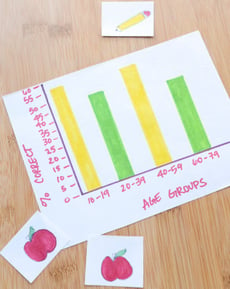
Does Age Affect Memory?
Activity
Does Age Affect Memory?
Fifth Grade
Engineering and Science Inquiry
In this fun project, use a memory game to test various age groups and determine whether aging directly affects short-term memory loss.
Activity
Does Age Affect Memory?
Activity
Does Age Affect Memory?
In this fun project, use a memory game to test various age groups and determine whether aging directly affects short-term memory loss.
Fifth Grade
Engineering and Science Inquiry
Activity
Make a Sight Word Book
Activity
Make a Sight Word Book
Pre-K
Sight Words
Help your child learn to read! By making their own book, your child can get creative, and practice ten key sight words at the same time.
Activity
Make a Sight Word Book
Activity
Make a Sight Word Book
Help your child learn to read! By making their own book, your child can get creative, and practice ten key sight words at the same time.
Pre-K
Sight Words
Activity
Microwave Candy: Do Some Colors of M&Ms Melt Faster than Others?
Activity
Microwave Candy: Do Some Colors of M&Ms Melt Faster than Others?
First Grade
Engineering and Science Inquiry
The goal of this fun science fair project idea is to microwave candy and investigate: do some colors of M&Ms melt faster than others?
Activity
Microwave Candy: Do Some Colors of M&Ms Melt Faster than Others?
Activity
Microwave Candy: Do Some Colors of M&Ms Melt Faster than Others?
The goal of this fun science fair project idea is to microwave candy and investigate: do some colors of M&Ms melt faster than others?
First Grade
Engineering and Science Inquiry
Activity
The Role of Fat in Food
Activity
The Role of Fat in Food
First Grade
Engineering and Science Inquiry
This science experiment examines the role of fat in food, especially in making bread rise and whipping cream.
Activity
The Role of Fat in Food
Activity
The Role of Fat in Food
This science experiment examines the role of fat in food, especially in making bread rise and whipping cream.
First Grade
Engineering and Science Inquiry
Activity
Doing Forensics with Paper Chromatography!
Activity
Doing Forensics with Paper Chromatography!
Fourth Grade
Engineering and Science Inquiry
This science fair project uses paper chromatography to investigate whether black, brown, orange, and purple are pure colors or mixtures of other colors.
Activity
Doing Forensics with Paper Chromatography!
Activity
Doing Forensics with Paper Chromatography!
This science fair project uses paper chromatography to investigate whether black, brown, orange, and purple are pure colors or mixtures of other colors.
Fourth Grade
Engineering and Science Inquiry
Activity
What’s the (Main) Topic?
Lesson Plan
What’s the (Main) Topic?
First Grade
Teach your students how to identify the main topic using story cards and an interactive read aloud in this engaging lesson.
Lesson Plan
What’s the (Main) Topic?
Lesson Plan
What’s the (Main) Topic?
Teach your students how to identify the main topic using story cards and an interactive read aloud in this engaging lesson.
First Grade
Lesson Plan
EL
Long, Longer, Longest
Lesson Plan
Long, Longer, Longest
First Grade
Measurement
Students will love working together to create a display that demonstrates understanding of relative length. Use alone or with the lesson
Order Up Measurement.
Lesson Plan
EL
Long, Longer, Longest
Lesson Plan
Long, Longer, Longest
Students will love working together to create a display that demonstrates understanding of relative length. Use alone or with the lesson
Order Up Measurement.
First Grade
Measurement
Lesson Plan
Finding Similarities and Differences
Lesson Plan
Finding Similarities and Differences
Third Grade
Reading
Good readers analyze texts by looking at similarities and differences. Use this lesson to teach your students to compare and contrast the story elements of two fiction texts.
Lesson Plan
Finding Similarities and Differences
Lesson Plan
Finding Similarities and Differences
Good readers analyze texts by looking at similarities and differences. Use this lesson to teach your students to compare and contrast the story elements of two fiction texts.
Third Grade
Reading
Lesson Plan
EL
Decomposing and Adding Place Values
Lesson Plan
Decomposing and Adding Place Values
Second Grade
Use this scaffolded EL support lesson to help students learn the strategy of decomposing three-digit numbers to add their place values. This lesson can be used alone or prior to teaching Composing and Decomposing to students.
Lesson Plan
EL
Decomposing and Adding Place Values
Lesson Plan
Decomposing and Adding Place Values
Use this scaffolded EL support lesson to help students learn the strategy of decomposing three-digit numbers to add their place values. This lesson can be used alone or prior to teaching Composing and Decomposing to students.
Second Grade
Lesson Plan
Read about and Discuss Historic Heroes
Lesson Plan
Read about and Discuss Historic Heroes
Fourth Grade
Reading
In this lesson plan, students will discuss characteristics of a hero and how to get information from texts to understand why a person is considered a hero. Partner discussions will help students have a deeper understanding.
Lesson Plan
Read about and Discuss Historic Heroes
Lesson Plan
Read about and Discuss Historic Heroes
In this lesson plan, students will discuss characteristics of a hero and how to get information from texts to understand why a person is considered a hero. Partner discussions will help students have a deeper understanding.
Fourth Grade
Reading
Lesson Plan
Nonfiction Genres
Lesson Plan
Nonfiction Genres
Fourth Grade
Writing
In this lesson, your students will explore the library in search of various genres of nonfiction texts. Teach this lesson at the beginning of the year to familiarize your students with the structure and organization of the library.
Lesson Plan
Nonfiction Genres
Lesson Plan
Nonfiction Genres
In this lesson, your students will explore the library in search of various genres of nonfiction texts. Teach this lesson at the beginning of the year to familiarize your students with the structure and organization of the library.
Fourth Grade
Writing
Lesson Plan
EL
Writing About Math Expressions
Lesson Plan
Writing About Math Expressions
Fifth Grade
Have your students evaluate orally and in writing what happens to expressions when there are two or more operations. Use this lesson as a standalone lesson or as support to the lesson Express Yourself.
Lesson Plan
EL
Writing About Math Expressions
Lesson Plan
Writing About Math Expressions
Have your students evaluate orally and in writing what happens to expressions when there are two or more operations. Use this lesson as a standalone lesson or as support to the lesson Express Yourself.
Fifth Grade
Lesson Plan
EL
Main Idea or Topic? You Decide!
Lesson Plan
Main Idea or Topic? You Decide!
First Grade
Life Science
Provide students with an opportunity to closely examine the difference between a topic and main idea in a nonfiction text. Use as a stand-alone activity or a support for the Finding the Main Idea and Details in a Nonfiction Text lesson.
Lesson Plan
EL
Main Idea or Topic? You Decide!
Lesson Plan
Main Idea or Topic? You Decide!
Provide students with an opportunity to closely examine the difference between a topic and main idea in a nonfiction text. Use as a stand-alone activity or a support for the Finding the Main Idea and Details in a Nonfiction Text lesson.
First Grade
Life Science
Lesson Plan
EL
Identify and Develop an Opinion
Lesson Plan
Identify and Develop an Opinion
Third Grade
Grammar and Mechanics
Use this lesson to teach your students how to express opinions about nonfiction topics. This lesson can stand alone or be used as a pre-lesson for the
What Does the Author Think?
lesson.
Lesson Plan
EL
Identify and Develop an Opinion
Lesson Plan
Identify and Develop an Opinion
Use this lesson to teach your students how to express opinions about nonfiction topics. This lesson can stand alone or be used as a pre-lesson for the
What Does the Author Think?
lesson.
Third Grade
Grammar and Mechanics
Lesson Plan
What Does the Author Think?
Lesson Plan
What Does the Author Think?
Third Grade
Can you tell what the author thinks about this subject? What do
you
think about it? Use this resource to help your students recognize the author's point of view and establish their own.
Lesson Plan
What Does the Author Think?
Lesson Plan
What Does the Author Think?
Can you tell what the author thinks about this subject? What do
you
think about it? Use this resource to help your students recognize the author's point of view and establish their own.
Third Grade
Lesson Plan
EL
Exploring Sequence with Signal Words
Lesson Plan
Exploring Sequence with Signal Words
Third Grade
Use this lesson to teach your students how to retell the beginning, middle, and end of a story using sequencing words and phrases. This lesson can stand alone or be used as a pre-lesson for the
Story Structure Rollercoaster
lesson.
Lesson Plan
EL
Exploring Sequence with Signal Words
Lesson Plan
Exploring Sequence with Signal Words
Use this lesson to teach your students how to retell the beginning, middle, and end of a story using sequencing words and phrases. This lesson can stand alone or be used as a pre-lesson for the
Story Structure Rollercoaster
lesson.
Third Grade
Lesson Plan
EL
Summary Writing with Big Ideas
Lesson Plan
Summary Writing with Big Ideas
Fifth Grade
Measurement
Before students can respond to literature critically, they must have a strong grasp of big ideas and summary writing. Support your ELs in these foundational reading skills by introducing a three-sentence paragraph frame for summary writing.
Lesson Plan
EL
Summary Writing with Big Ideas
Lesson Plan
Summary Writing with Big Ideas
Before students can respond to literature critically, they must have a strong grasp of big ideas and summary writing. Support your ELs in these foundational reading skills by introducing a three-sentence paragraph frame for summary writing.
Fifth Grade
Measurement
Lesson Plan
Organize Your Data
Lesson Plan
Organize Your Data
Third Grade
Collect and graph! In this lesson, your students will practice collecting, organizing, and interpreting data by using real life examples.
Lesson Plan
Organize Your Data
Lesson Plan
Organize Your Data
Collect and graph! In this lesson, your students will practice collecting, organizing, and interpreting data by using real life examples.
Third Grade
Lesson Plan
Multiplying by Multiples of 10
Lesson Plan
Multiplying by Multiples of 10
Third Grade
10, 20, 30, and up! In this lesson, students learn strategies for multiplying one-digit numbers by multiples of ten (10 through 90) through practice problems and playing a fun, hands-on game.
Lesson Plan
Multiplying by Multiples of 10
Lesson Plan
Multiplying by Multiples of 10
10, 20, 30, and up! In this lesson, students learn strategies for multiplying one-digit numbers by multiples of ten (10 through 90) through practice problems and playing a fun, hands-on game.
Third Grade
Lesson Plan
Making Inferences in Nonfiction Texts
Lesson Plan
Making Inferences in Nonfiction Texts
Fifth Grade
When students read nonfiction texts, they will need to make inferences using text features and quotes as evidence. Support your students using short texts as practice before diving into more complex materials like textbooks.
Lesson Plan
Making Inferences in Nonfiction Texts
Lesson Plan
Making Inferences in Nonfiction Texts
When students read nonfiction texts, they will need to make inferences using text features and quotes as evidence. Support your students using short texts as practice before diving into more complex materials like textbooks.
Fifth Grade
Lesson Plan
Adding Mixed Numbers Using the Decomposition Strategy
Lesson Plan
Adding Mixed Numbers Using the Decomposition Strategy
Fourth Grade
Make the number work for you! Use this lesson to teach your students to add mixed numbers with like denominators using the strategy of decomposition.
Lesson Plan
Adding Mixed Numbers Using the Decomposition Strategy
Lesson Plan
Adding Mixed Numbers Using the Decomposition Strategy
Make the number work for you! Use this lesson to teach your students to add mixed numbers with like denominators using the strategy of decomposition.
Fourth Grade
Lesson Plan
What Are the Layers of the Earth?
Activity
What Are the Layers of the Earth?
Second Grade
Engineering and Science Inquiry
Learn about the layers of the Earth and make a model! Create a earth layer book, cake, or clay diagram.
Activity
What Are the Layers of the Earth?
Activity
What Are the Layers of the Earth?
Learn about the layers of the Earth and make a model! Create a earth layer book, cake, or clay diagram.
Second Grade
Engineering and Science Inquiry
Activity
Studying Authors: Nonfiction Writing
Lesson Plan
Studying Authors: Nonfiction Writing
First Grade
Learning from others is a huge part of getting better at something, including writing! In this lesson, students will study works by nonfiction authors to enhance their own nonfiction writing.
Lesson Plan
Studying Authors: Nonfiction Writing
Lesson Plan
Studying Authors: Nonfiction Writing
Learning from others is a huge part of getting better at something, including writing! In this lesson, students will study works by nonfiction authors to enhance their own nonfiction writing.
First Grade
Lesson Plan
Three Times a Charm! Close Reading with Annotations
Lesson Plan
Three Times a Charm! Close Reading with Annotations
Fifth Grade
In fifth grade, students are expected to analyze complex texts on a deeper level. Teach your students to use close reading strategies, like rereading and annotation symbols, to dive deeper into fictional texts.
Lesson Plan
Three Times a Charm! Close Reading with Annotations
Lesson Plan
Three Times a Charm! Close Reading with Annotations
In fifth grade, students are expected to analyze complex texts on a deeper level. Teach your students to use close reading strategies, like rereading and annotation symbols, to dive deeper into fictional texts.
Fifth Grade
Lesson Plan
My School Atlas
Lesson Plan
My School Atlas
Fifth Grade
Put your school on the map! Students will have fun creating an atlas of their very own school that includes maps and reference details.
Lesson Plan
My School Atlas
Lesson Plan
My School Atlas
Put your school on the map! Students will have fun creating an atlas of their very own school that includes maps and reference details.
Fifth Grade
Lesson Plan
EL
Mental Math Bingo with Multiples of 10
Lesson Plan
Mental Math Bingo with Multiples of 10
Second Grade
Vocabulary
Students will practice mentally adding and subtracting 10 to multiples of 10 up to 100 by playing an all time favorite: BINGO! Use alone or alongside the lesson Subtracting From Multiples of 100.
Lesson Plan
EL
Mental Math Bingo with Multiples of 10
Lesson Plan
Mental Math Bingo with Multiples of 10
Students will practice mentally adding and subtracting 10 to multiples of 10 up to 100 by playing an all time favorite: BINGO! Use alone or alongside the lesson Subtracting From Multiples of 100.
Second Grade
Vocabulary
Lesson Plan
EL
Designing Situations with Area
Lesson Plan
Designing Situations with Area
Fourth Grade
In this lesson, your students will think about situations that require them to calculate area. Use it as a standalone lesson or as support to the What Is the Area of Your Classroom? lesson.
Lesson Plan
EL
Designing Situations with Area
Lesson Plan
Designing Situations with Area
In this lesson, your students will think about situations that require them to calculate area. Use it as a standalone lesson or as support to the What Is the Area of Your Classroom? lesson.
Fourth Grade
Lesson Plan
1
…
28
29
30
31