
5th Grade Fiction Author's Purpose Resources







About 5th Grade Fiction Author's Purpose Resources
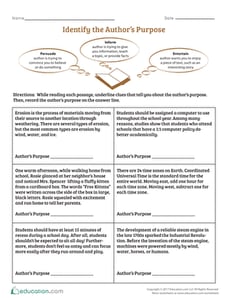
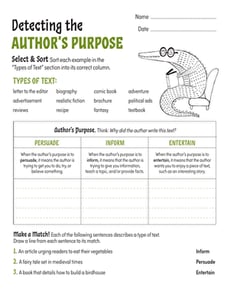
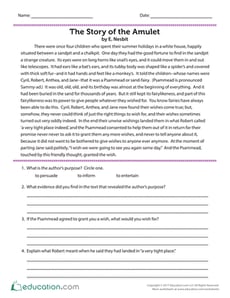
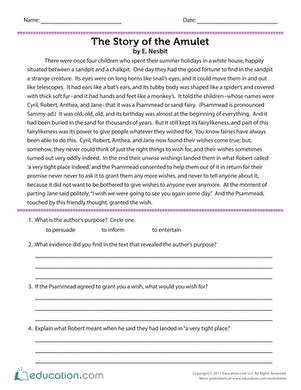
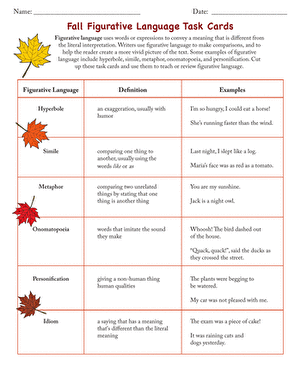
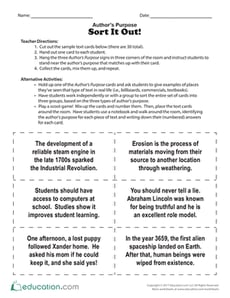
On Education.com, fifth-grade fiction author's purpose resources help students understand why authors write stories and how they use literary techniques to achieve their goals. These include worksheets, lesson plans, and guides on concepts like PIE (persuade, inform, entertain), character development, and narrative structure. This material supports teachers and parents in teaching students to analyze stories and identify author intentions.
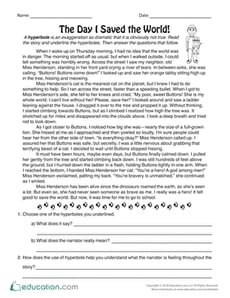
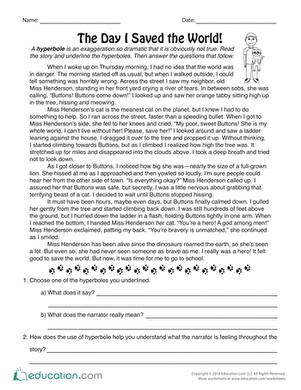
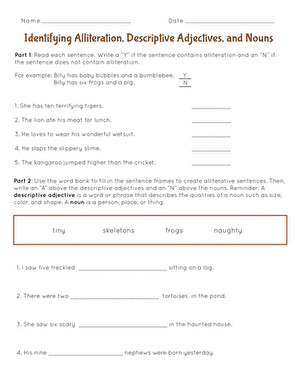
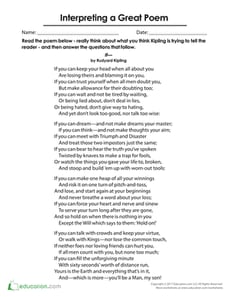
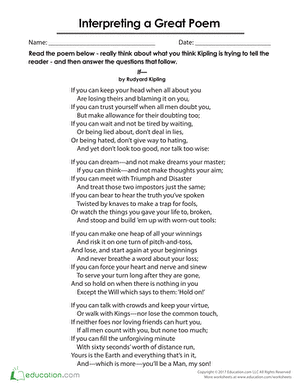
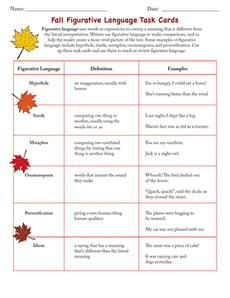
Educators and caregivers can access a variety of printable activities and interactive exercises, such as story analysis graphic organizers, comprehension questions, and leveled reading passages. These resources enable students to explore themes and authors' use of humor, facts, or character empathy to engage readers and communicate messages. The supports promote critical thinking and literacy skills across fiction texts.
Using these resources in the classroom or at home saves time by providing ready-to-use materials that guide students in understanding author purpose while making learning engaging. Students apply concepts through creative exercises that reinforce reading comprehension, analytical thinking, and writing. Parents and teachers can effectively support young readers’ development with structured, affordable materials that connect literature to real-world examples.
Educators and caregivers can access a variety of printable activities and interactive exercises, such as story analysis graphic organizers, comprehension questions, and leveled reading passages. These resources enable students to explore themes and authors' use of humor, facts, or character empathy to engage readers and communicate messages. The supports promote critical thinking and literacy skills across fiction texts.
Using these resources in the classroom or at home saves time by providing ready-to-use materials that guide students in understanding author purpose while making learning engaging. Students apply concepts through creative exercises that reinforce reading comprehension, analytical thinking, and writing. Parents and teachers can effectively support young readers’ development with structured, affordable materials that connect literature to real-world examples.