
4th Grade Multi-Digit Division With Remainders Resources
























About 4th Grade Multi-digit Division With Remainders Resources
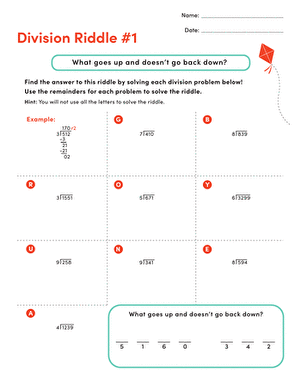
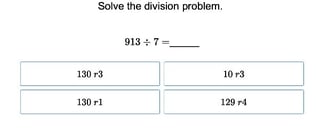
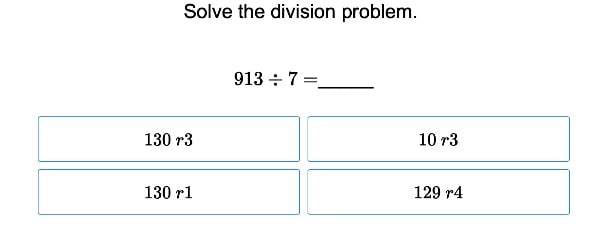
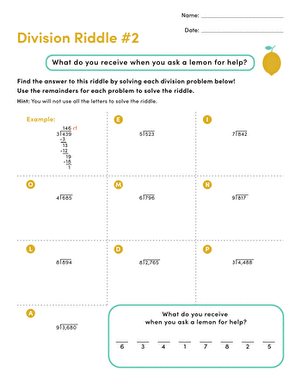
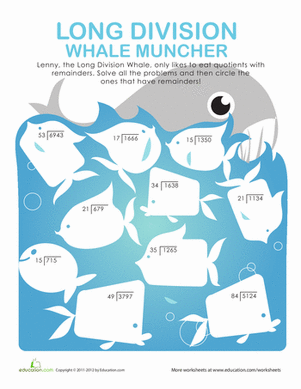
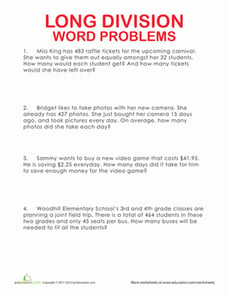
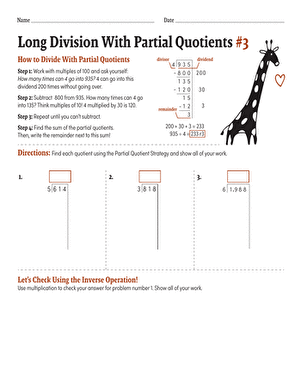
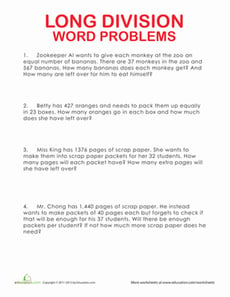
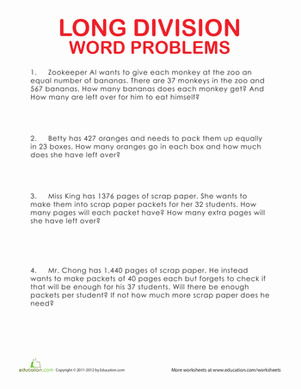
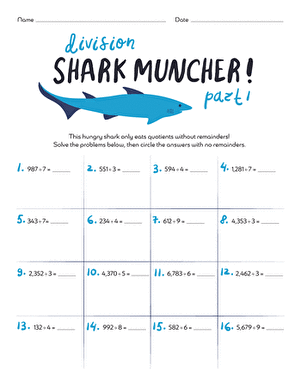
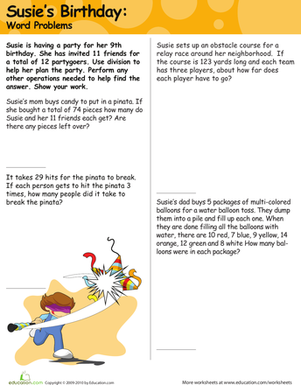
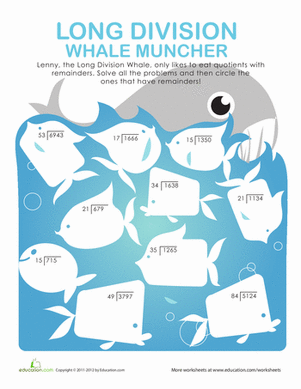
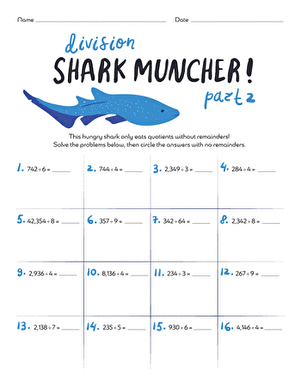
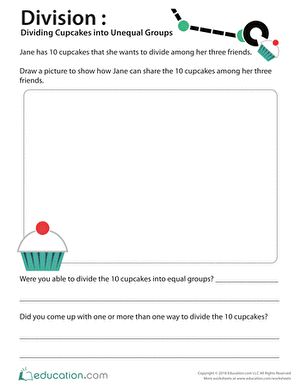
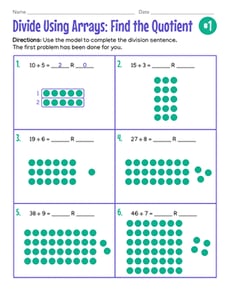
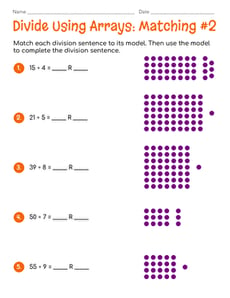
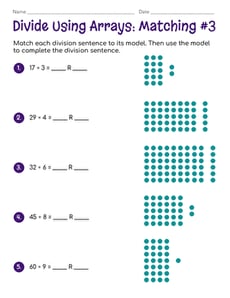
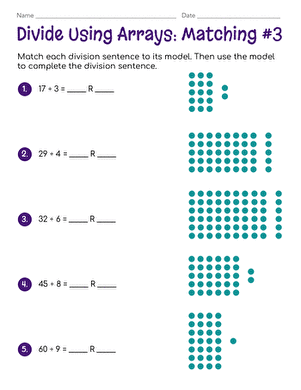
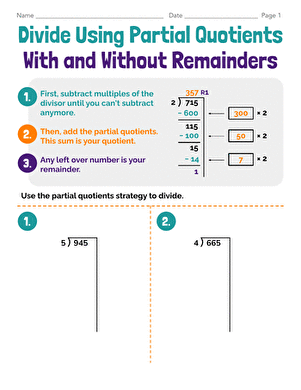
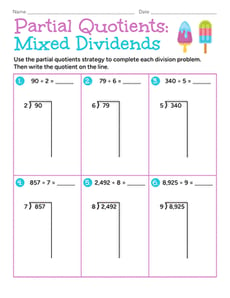
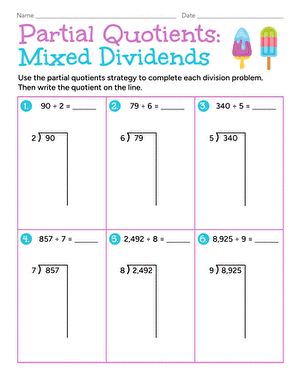
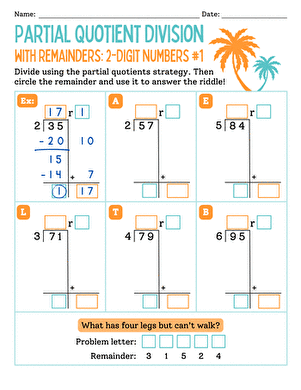
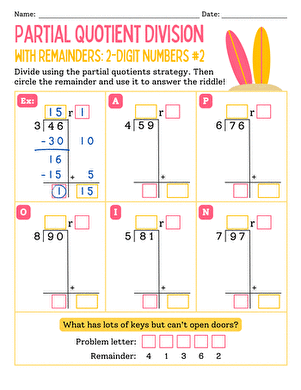
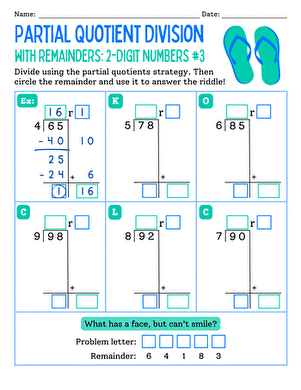
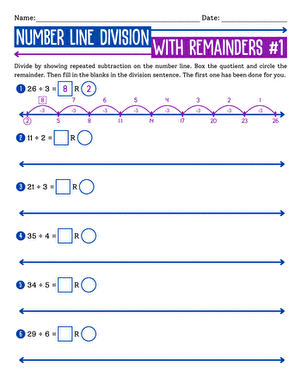
On Education.com, students and educators can access a variety of resources for learning 4th-grade multi-digit division with remainders, including printable worksheets, interactive game templates, and lesson plans. These materials focus on teaching strategies such as long division with the partial quotients method, solving word problems involving remainders, and interpreting partial remainders in real-world contexts. By providing examples with 3-4 digit dividends and 1-digit divisors, the resources help students build strong foundational division skills. Educators and parents can use these materials to reinforce math concepts both at school and at home.
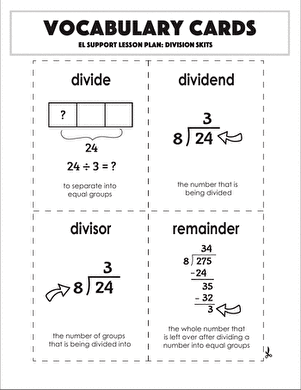
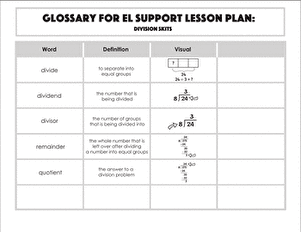
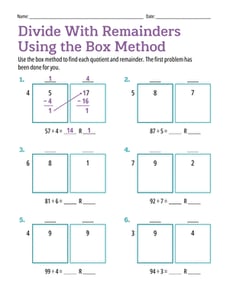
Materials on Education.com include digital worksheets that combine practice exercises with step-by-step guidance, making division concepts accessible and engaging for young learners. The site offers interactive plastics and videos that demonstrate techniques such as the DMSB (divide, multiply, subtract, bring-down) method, helping students to visualize and master multi-digit division. These resources support mastery of key arithmetic strategies and boost confidence when tackling larger numbers and remainders in arithmetic operations. Each resource is designed to promote understanding, question-solving skills, and accurate calculations.
Using these 4th grade multi-digit division with remainders resources at home or in the classroom allows for consistent practice that builds proficiency and fluency. Teachers can track student progress through exercises, Games and digital activities provide hands-on experience and make division practice enjoyable for students. Parents can assign homework or reinforce classroom lessons with worksheets and interactive lessons at any time. Together, these resources support students in gaining confidence with division, applying skills across math problems, and developing a strong foundation for future arithmetic learning.
Materials on Education.com include digital worksheets that combine practice exercises with step-by-step guidance, making division concepts accessible and engaging for young learners. The site offers interactive plastics and videos that demonstrate techniques such as the DMSB (divide, multiply, subtract, bring-down) method, helping students to visualize and master multi-digit division. These resources support mastery of key arithmetic strategies and boost confidence when tackling larger numbers and remainders in arithmetic operations. Each resource is designed to promote understanding, question-solving skills, and accurate calculations.
Using these 4th grade multi-digit division with remainders resources at home or in the classroom allows for consistent practice that builds proficiency and fluency. Teachers can track student progress through exercises, Games and digital activities provide hands-on experience and make division practice enjoyable for students. Parents can assign homework or reinforce classroom lessons with worksheets and interactive lessons at any time. Together, these resources support students in gaining confidence with division, applying skills across math problems, and developing a strong foundation for future arithmetic learning.