
Educational Simile Games



About Educational Simile Games
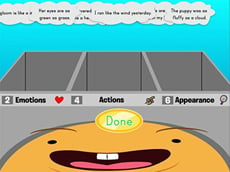
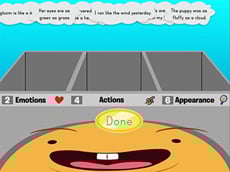
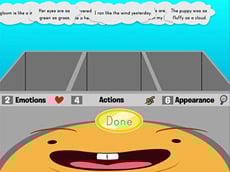
On Education.com, educational simile games introduce young learners to the concept of figurative language by providing engaging activities such as matching phrases, sorting feelings, and interactive quizzes. Students can explore comparisons like “as busy as a bee” or “like a lion,” helping them understand how writers create vivid imagery and enhance storytelling. These digital materials make learning both interactive and memorable, supporting foundational language arts skills.
Educational resources on Education.com include printable worksheets, classroom lesson plans, and interactive games like Scavenger Hunts, “I Have, Who Has?” challenges, and “Simile Bingo.” Each activity is designed to help students recognize and use figurative language, reinforcing creative writing and reading comprehension. The materials are easy for teachers and parents to incorporate into lessons or homework, providing structured practice that makes learning fun.
Discover how educational simile games on Education.com help young students build confidence in identifying figurative language. Using hands-on exercises, classroom activities, and at-home practice, children can strengthen vocabulary, enhance comprehension, and develop attention to literary detail. These resources make figurative language instruction engaging and accessible, fostering creativity and critical thinking skills.
Educational resources on Education.com include printable worksheets, classroom lesson plans, and interactive games like Scavenger Hunts, “I Have, Who Has?” challenges, and “Simile Bingo.” Each activity is designed to help students recognize and use figurative language, reinforcing creative writing and reading comprehension. The materials are easy for teachers and parents to incorporate into lessons or homework, providing structured practice that makes learning fun.
Discover how educational simile games on Education.com help young students build confidence in identifying figurative language. Using hands-on exercises, classroom activities, and at-home practice, children can strengthen vocabulary, enhance comprehension, and develop attention to literary detail. These resources make figurative language instruction engaging and accessible, fostering creativity and critical thinking skills.