Educational Up to 20 Common Core Comparing and Ordering Numbers Within 20 Games
Common Core Quick Links:
Common Core State Standards
3 results
Math
✕Games
✕Common Core
✕Up to 20
✕3 results
Subtopics:
Educational Up to 20 Common Core Comparing and Ordering Numbers Within 20 Games
Common Core Quick Links:
Common Core State Standards3 results
Math
✕Games
✕Common Core
✕Up to 20
✕3 results




About 20 Common Core Comparing And Ordering Numbers Within 20 Games
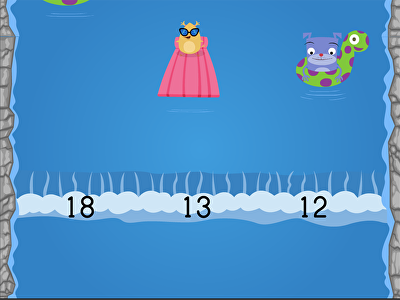
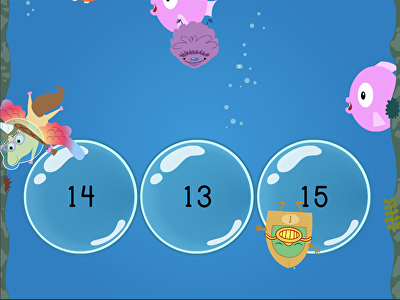
On Education.com, this page features games that help young learners practice comparing and ordering numbers up to 20. By engaging with interactive activities like 'Ducks on the Pond' and supporting digital resources, children can develop number sense, reinforce greater than and less than concepts, and learn to sequence numbers. These materials provide enjoyable, hands-on ways to strengthen foundational math skills in-line with Common Core standards.
Kids can explore 20 Common Core comparing and ordering numbers within 20 games that use cards, prompts, and recording sheets. Educational content progresses from simple comparisons to structured sequencing exercises, allowing children to build confidence and independence in math. Each activity encourages practice, critical thinking, and pattern recognition, making learning engaging and meaningful.
Parents and teachers can access structured lesson plans, printable activities, and interactive games that make practicing number comparison fun and accessible. These resources support at-home practice, classroom lessons, or supplementing math curricula. Using hands-on and digital formats, educators can accommodate varied learning styles while providing enriching mathematical experiences.
Kids can explore 20 Common Core comparing and ordering numbers within 20 games that use cards, prompts, and recording sheets. Educational content progresses from simple comparisons to structured sequencing exercises, allowing children to build confidence and independence in math. Each activity encourages practice, critical thinking, and pattern recognition, making learning engaging and meaningful.
Parents and teachers can access structured lesson plans, printable activities, and interactive games that make practicing number comparison fun and accessible. These resources support at-home practice, classroom lessons, or supplementing math curricula. Using hands-on and digital formats, educators can accommodate varied learning styles while providing enriching mathematical experiences.