
Subtopics:
Educational 2nd Grade Number Patterns Games







About Educational 2nd Grade Number Patterns Games
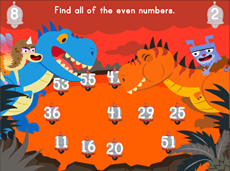
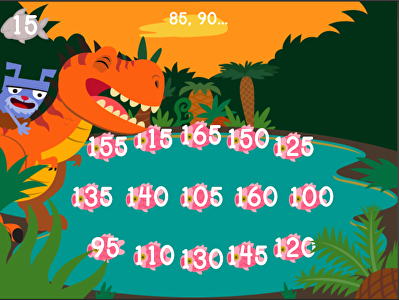
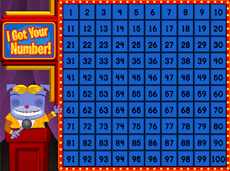
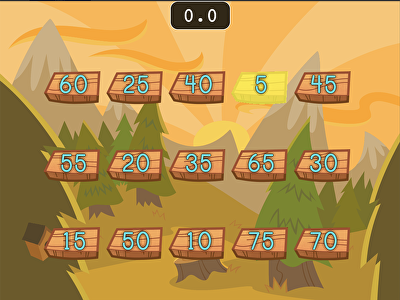
On Education.com, number pattern games for 2nd graders focus on skip counting by 2s, 5s, and 10s, recognizing odd and even numbers, and completing sequences. These interactive activities provide children with hands-on practice to develop early multiplication, addition skills, and number sense. By engaging in this online content, students can strengthen foundational math concepts in a fun, readiness-focused environment.
The site offers printable worksheets and digital activities that support educators and parents in tracking progress, reinforcing learning, and providing extra practice. Resources include guided exercises, practice sets, and structured lessons designed to build confidence and critical thinking in young learners. These materials make it easy to integrate engaging math exercises into classroom instruction or homework routines.
Using these educational number pattern games at home or in the classroom enables children to apply strategies for pattern recognition and number sequencing while enjoying educational entertainment. Educators and parents can create a variety of practical, learning-focused experiences that enhance problem-solving abilities and foster a love for mathematics. These structured activities provide flexible options for reinforcing core skills and supporting multiple learning styles.
The site offers printable worksheets and digital activities that support educators and parents in tracking progress, reinforcing learning, and providing extra practice. Resources include guided exercises, practice sets, and structured lessons designed to build confidence and critical thinking in young learners. These materials make it easy to integrate engaging math exercises into classroom instruction or homework routines.
Using these educational number pattern games at home or in the classroom enables children to apply strategies for pattern recognition and number sequencing while enjoying educational entertainment. Educators and parents can create a variety of practical, learning-focused experiences that enhance problem-solving abilities and foster a love for mathematics. These structured activities provide flexible options for reinforcing core skills and supporting multiple learning styles.