
2nd Grade Composing Three-Dimensional Shapes Interactive Worksheets

About 2nd Grade Composing Three-dimensional Shapes Interactive Worksheets
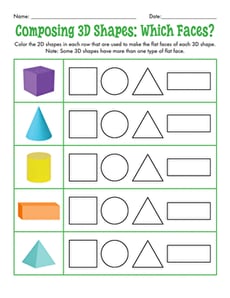
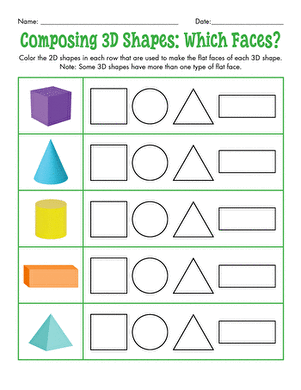
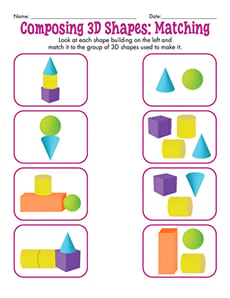
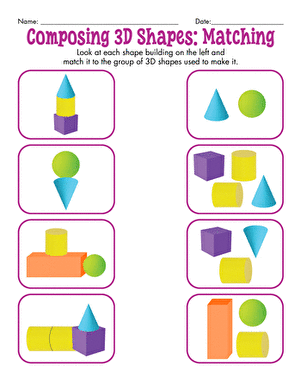
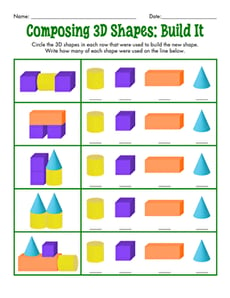
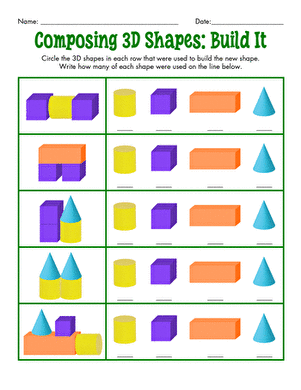
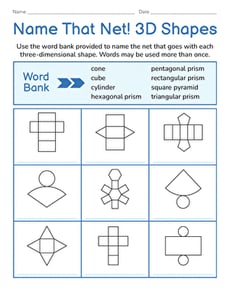
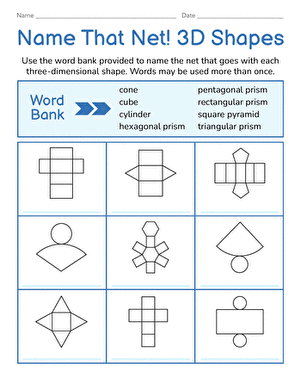
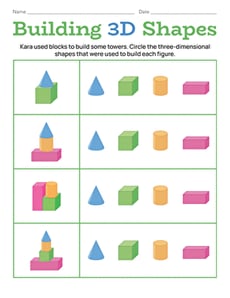
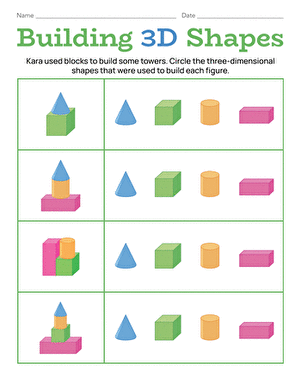
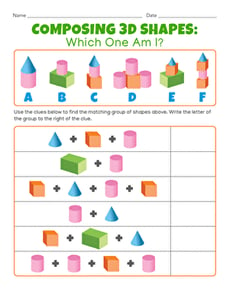
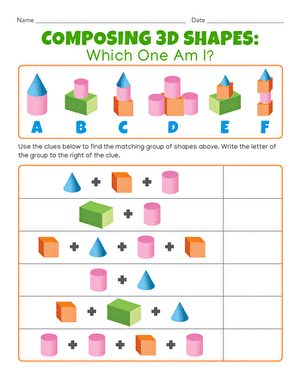
On Education.com, students can explore interactive worksheets that focus on composing three-dimensional shapes, providing hands-on practice in geometric concepts. These activities help second-grade learners identify, create, and combine various three-dimensional shapes, building spatial awareness and mathematical understanding. The site offers a wide range of printable and digital resources for engaging geometry lessons.
Discover prepared lesson plans, printable activities, and practice exercises on Education.com designed to strengthen grid and shape recognition skills. Educators and parents can access materials that integrate play and learning, making geometry education accessible and enjoyable for young learners. These resources support foundational math skills and encourage critical thinking.
Researchers and educators can use this page to find structured activities that reinforce geometric knowledge, supports interactive teaching, and enhances classroom engagement. With materials optimized for small-group or-one-on-one instruction, lessons gain practicality and effectiveness while parents can incorporate educational fun into at-home learning routines.
Discover prepared lesson plans, printable activities, and practice exercises on Education.com designed to strengthen grid and shape recognition skills. Educators and parents can access materials that integrate play and learning, making geometry education accessible and enjoyable for young learners. These resources support foundational math skills and encourage critical thinking.
Researchers and educators can use this page to find structured activities that reinforce geometric knowledge, supports interactive teaching, and enhances classroom engagement. With materials optimized for small-group or-one-on-one instruction, lessons gain practicality and effectiveness while parents can incorporate educational fun into at-home learning routines.