
2nd Grade Syllables Interactive Worksheets
15 results
English Language Arts
✕2nd Grade
✕Interactive Worksheets
✕Sort by:
15 results
Sort by:





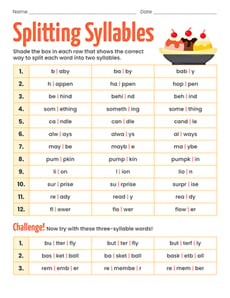
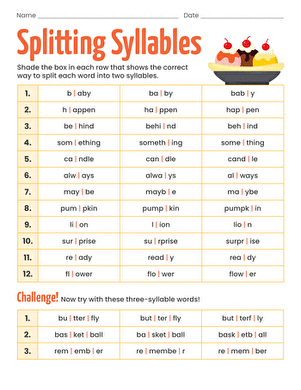
About 2nd Grade Syllables Interactive Worksheets
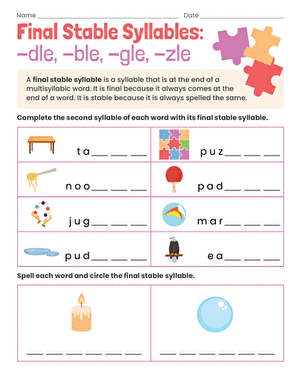
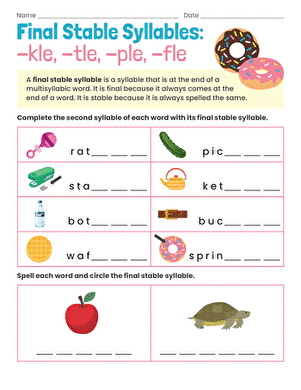
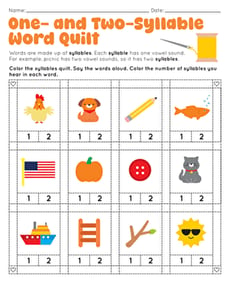
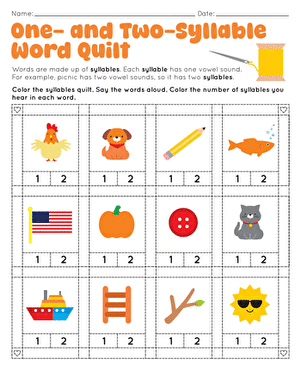
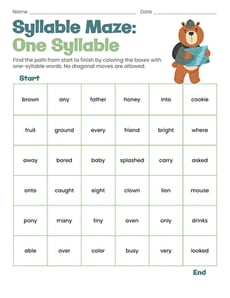
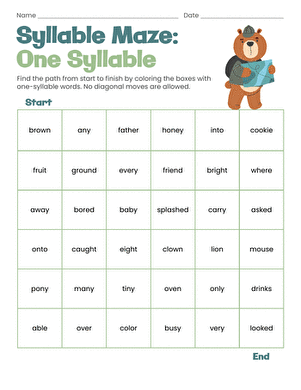
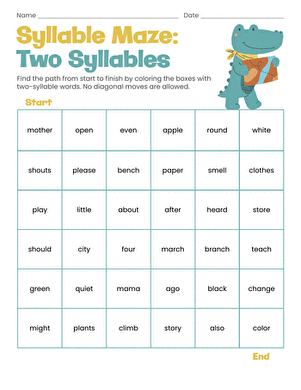
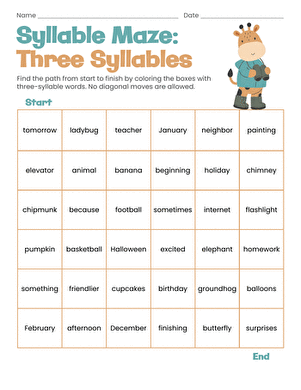
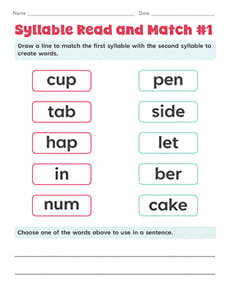
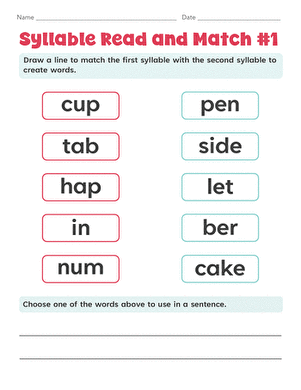
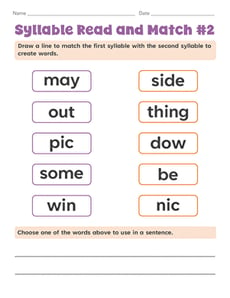
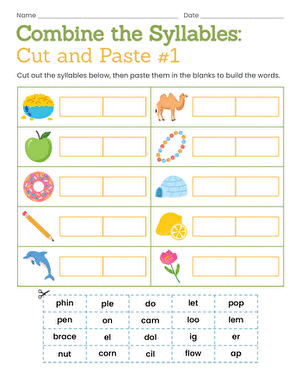
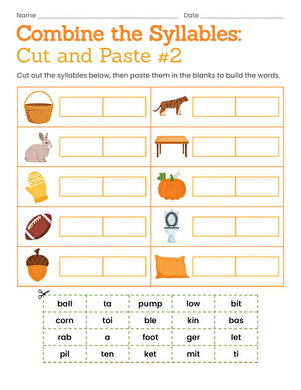
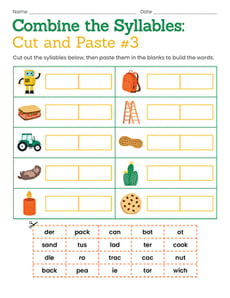
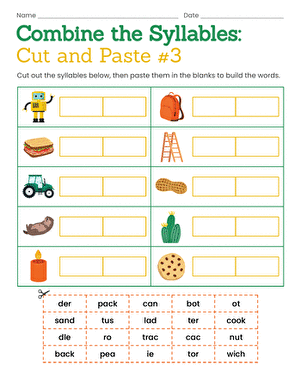
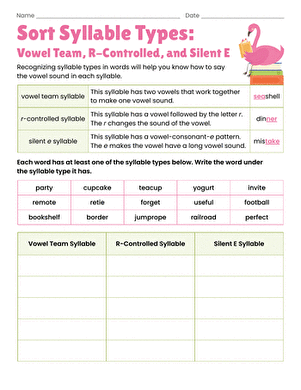
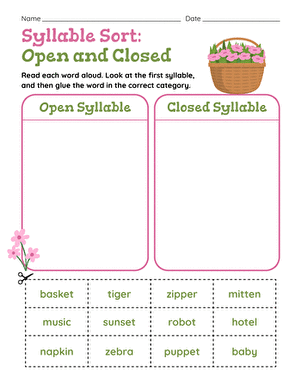
On Education.com, 2nd grade syllables interactive worksheets provide structured activities for children learning to identify and decode syllables in words. These materials help young learners build foundational reading skills, improve pronunciation, and develop phonemic awareness. The worksheets often include practice exercises, phonics games, and printable pages that engage children in a hands-on approach to learning. By focusing on syllable recognition, students strengthen their ability to read multi-syllable words and enhance overall literacy proficiency.
Educators and parents can access a variety of syllables worksheets and printable resources designed to reinforce phonics instruction. These tools offer step-by-step exercises that expand on introductory sound-and-letter recognition and provide opportunities for guided practice. With easy access to structured lessons, teacher instructions, and at-home educational activities, learning can be both consistent and adaptable to individual student needs.
Using these worksheets at school or home provides an organized, engaging way for kids to master syllable division, phoneme blending, and early spelling skills. Structured exercises enhance fluency, reading confidence, and decoding strategies. Regular practice with syllables sets a strong foundation for reading progress and future literacy success.
Educators and parents can access a variety of syllables worksheets and printable resources designed to reinforce phonics instruction. These tools offer step-by-step exercises that expand on introductory sound-and-letter recognition and provide opportunities for guided practice. With easy access to structured lessons, teacher instructions, and at-home educational activities, learning can be both consistent and adaptable to individual student needs.
Using these worksheets at school or home provides an organized, engaging way for kids to master syllable division, phoneme blending, and early spelling skills. Structured exercises enhance fluency, reading confidence, and decoding strategies. Regular practice with syllables sets a strong foundation for reading progress and future literacy success.