
Subtopics:
2nd Grade Number Patterns Interactive Worksheets


















About 2nd Grade Number Patterns Interactive Worksheets
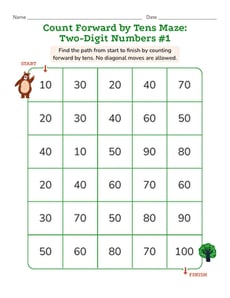
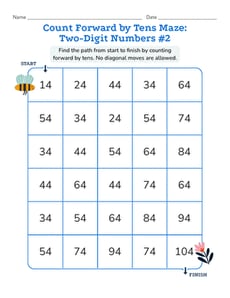
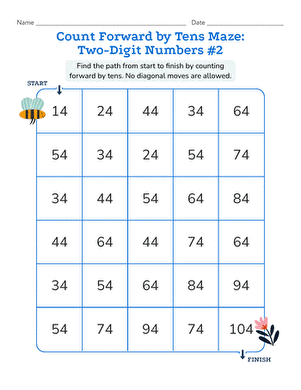
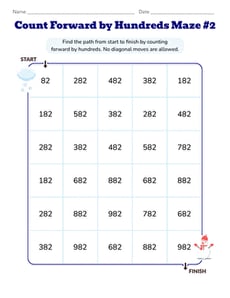
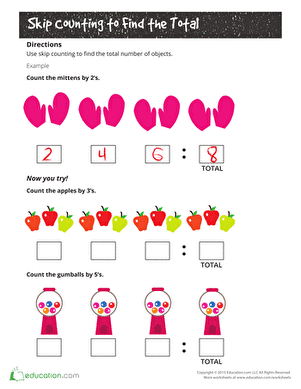
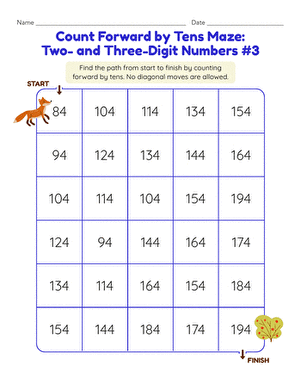
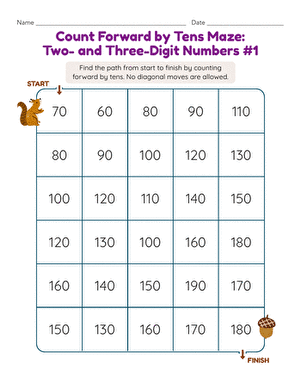
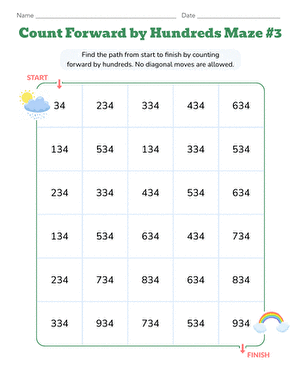
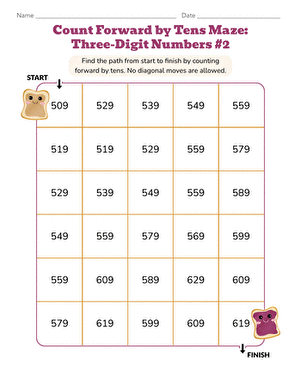
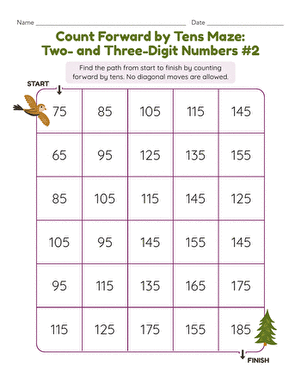
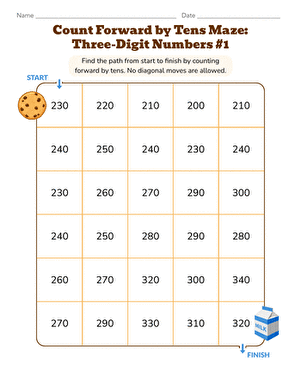
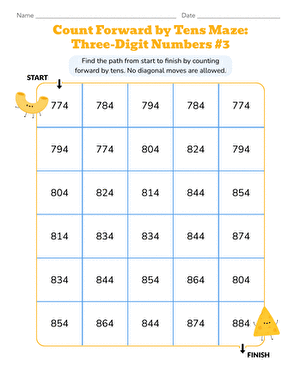
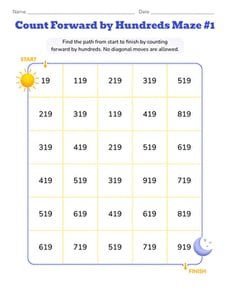
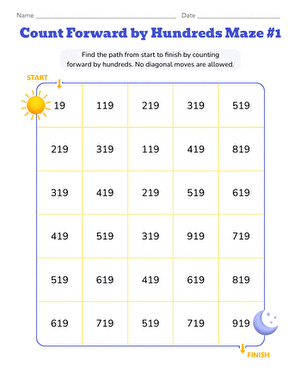
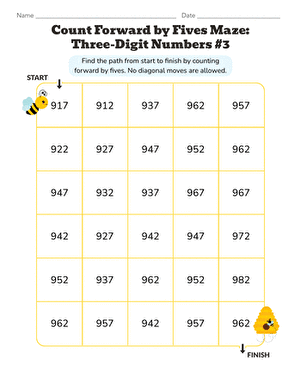
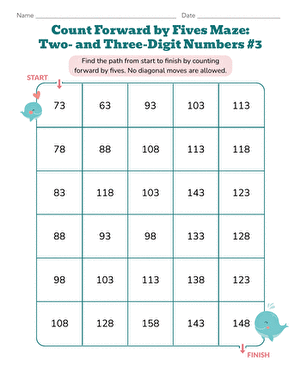
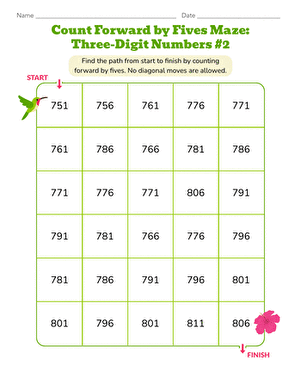
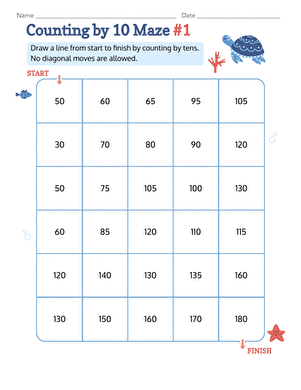
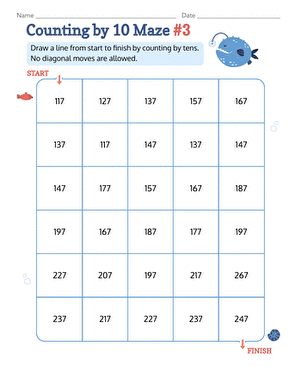
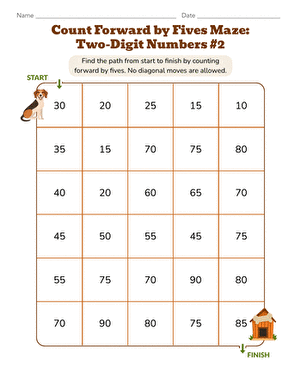
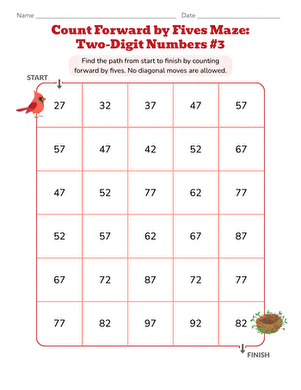
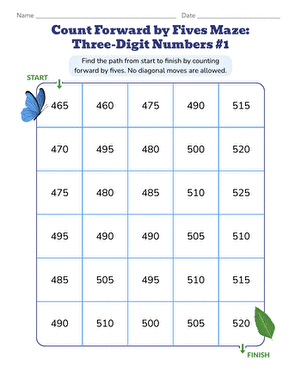
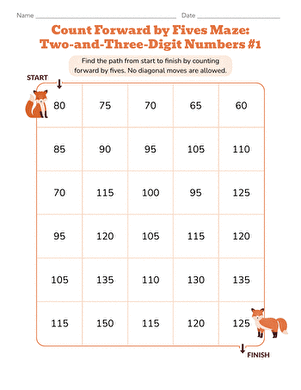
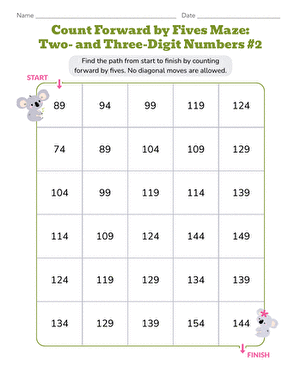
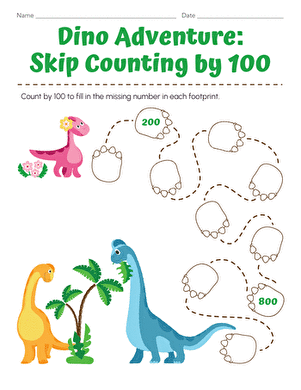
On Education.com, 2nd grade number patterns interactive worksheets provide students with engaging exercises to recognize and extend numeric sequences, helping to develop early math skills. These resources include practice pages that cover simple addition and subtraction patterns, as well as more complex skip counting and number sequence challenges, making learning both fun and educational.
This page offers printable activities, worksheets, and interactive exercises that allow teachers and parents to support 2nd graders in understanding numerical relationships. Each resource provides progression opportunities, encouraging students to recognize patterns, predict numbers, and strengthen number sense over time. Educational tools are designed to be accessible and adaptable to various learning paces and styles.
Using these worksheets at school or at home helps save planning time while reinforcing classroom instruction. Students can practice pattern recognition independently or with guidance, gaining confidence in math and problem-solving skills. Educators and parents can track progress and tailor instruction to meet each child's needs, ensuring steady growth in early computational reasoning.
This page offers printable activities, worksheets, and interactive exercises that allow teachers and parents to support 2nd graders in understanding numerical relationships. Each resource provides progression opportunities, encouraging students to recognize patterns, predict numbers, and strengthen number sense over time. Educational tools are designed to be accessible and adaptable to various learning paces and styles.
Using these worksheets at school or at home helps save planning time while reinforcing classroom instruction. Students can practice pattern recognition independently or with guidance, gaining confidence in math and problem-solving skills. Educators and parents can track progress and tailor instruction to meet each child's needs, ensuring steady growth in early computational reasoning.