
2nd Grade Angles Resources





About 2nd Grade Angles Resources
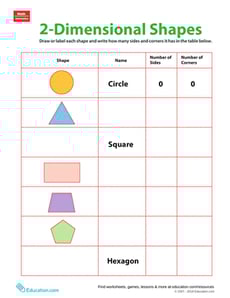
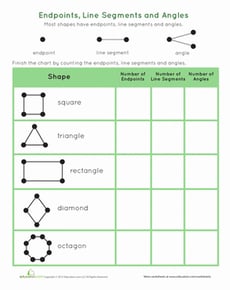
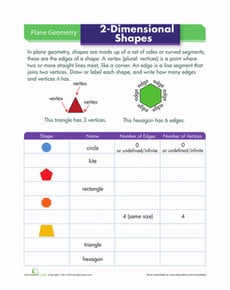
On Education.com, 2nd grade angles resources help parents and teachers introduce and solidify the concept of angles through kid-friendly activities and examples. These include printable worksheets, angles with a protractor, interactive diagrams, and classroom lesson plans that provide hands-on experience with measuring and identifying different types of angles.
A broader range of materials on Education.com offers comprehensive teaching tools such as geometric shape activities, angle comparison exercises, and visual aids for classroom polynomials, all designed to build foundational geometry skills in young learners. Using a variety of digital formats and interactive lessons, educators and parents can make learning about angles engaging and accessible.
Educators and parents can use these materials to enhance math instruction, design engaging classroom exercises, or provide structured practice for students. This approach saves time by offering ready-to-use resources that combine clarity, structure, and educational value, making geometry instruction practical and effective.
A broader range of materials on Education.com offers comprehensive teaching tools such as geometric shape activities, angle comparison exercises, and visual aids for classroom polynomials, all designed to build foundational geometry skills in young learners. Using a variety of digital formats and interactive lessons, educators and parents can make learning about angles engaging and accessible.
Educators and parents can use these materials to enhance math instruction, design engaging classroom exercises, or provide structured practice for students. This approach saves time by offering ready-to-use resources that combine clarity, structure, and educational value, making geometry instruction practical and effective.