
Offline Educational 2nd Grade Civics and Government Games


About Offline Educational 2nd Grade Civics And Government Games
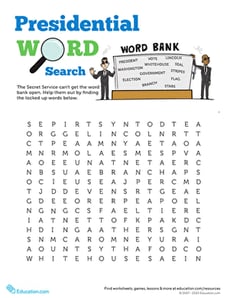
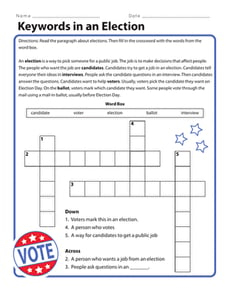
On Education.com, parents and teachers can find a variety of printable civics and government games for 2nd grade students that promote hands-on learning, focus on roles within the community, and introduce basic laws and responsibilities. These page provides activities such as role-playing exercises, mini-town simulations, and board games adapted to teach young learners about government functions and democratic principles. These resources support early civics education while engaging students in fun and educational ways.
Teachers and parents can explore structured materials including printable worksheets, lesson plans, and games that emphasize foundational civics concepts such as community helpers, voting, and rules. Materials are designed to make learning about government engaging and accessible for second graders while reinforcing critical thinking and social studies skills. This collection helps classroom and home educators create interactive lessons that connect civic lessons to students’ daily lives.
Using these civics games and activities simplifies lesson planning, saves time, and provides educators with ready-to-use resources that reinforce core civics lessons. Activities like 'Do I Have a Right?' and printable extensions from sites like iCivics promote interactive learning, while classroom adaptations of Monopoly for government management provide experiential education. Combining these games with discussions about roles in the community helps students understand how government affects their lives and introduces them to basic democratic principles.
Teachers and parents can explore structured materials including printable worksheets, lesson plans, and games that emphasize foundational civics concepts such as community helpers, voting, and rules. Materials are designed to make learning about government engaging and accessible for second graders while reinforcing critical thinking and social studies skills. This collection helps classroom and home educators create interactive lessons that connect civic lessons to students’ daily lives.
Using these civics games and activities simplifies lesson planning, saves time, and provides educators with ready-to-use resources that reinforce core civics lessons. Activities like 'Do I Have a Right?' and printable extensions from sites like iCivics promote interactive learning, while classroom adaptations of Monopoly for government management provide experiential education. Combining these games with discussions about roles in the community helps students understand how government affects their lives and introduces them to basic democratic principles.