
2nd Grade Understanding Place Value Worksheets






















About 2nd Grade Understanding Place Value Worksheets
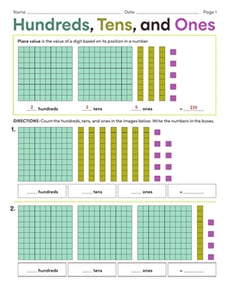
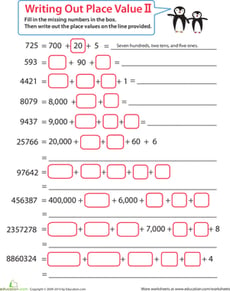
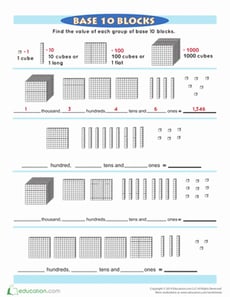
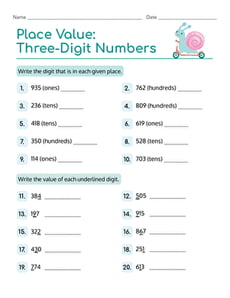
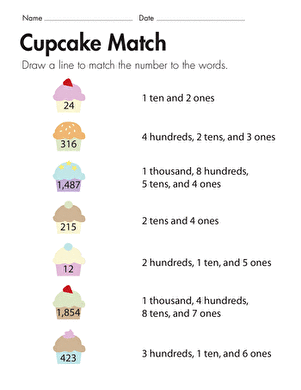
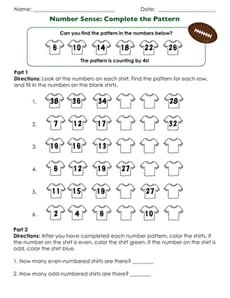
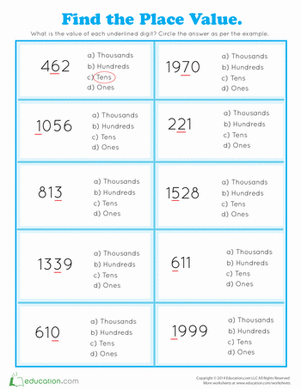
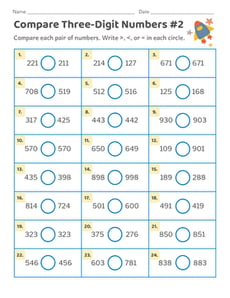
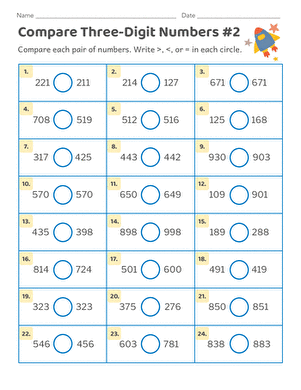
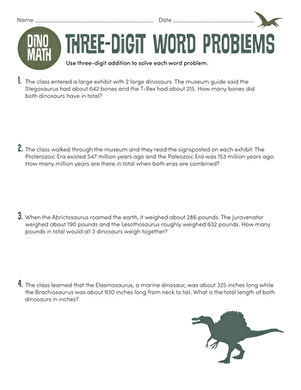
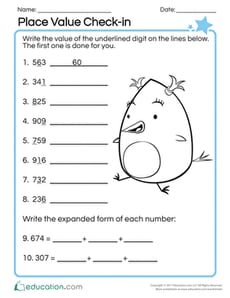
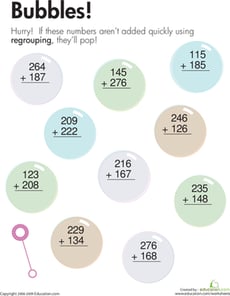
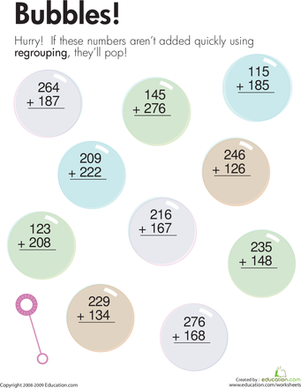
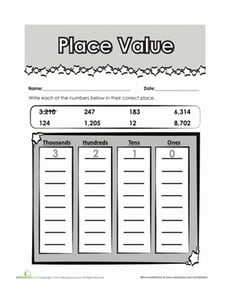
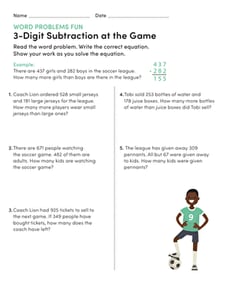
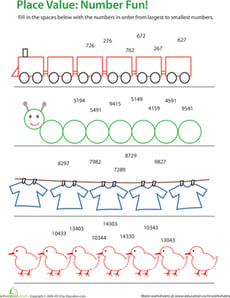
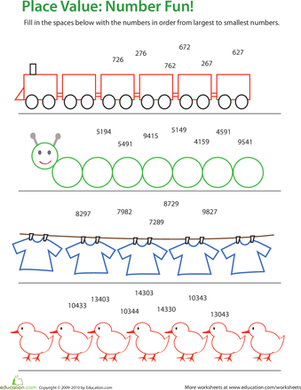
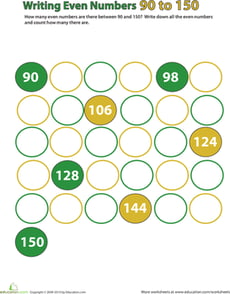
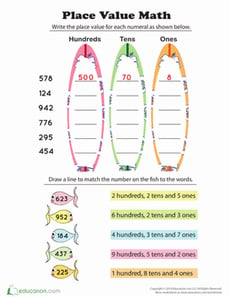
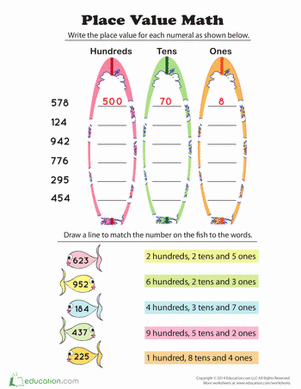
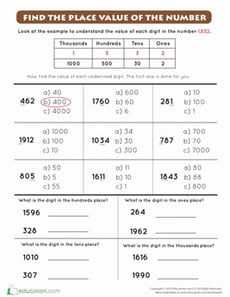
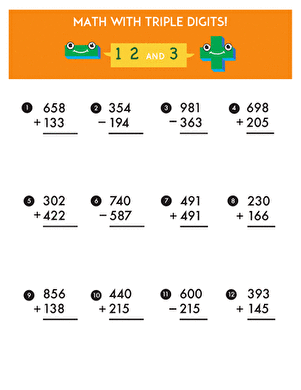
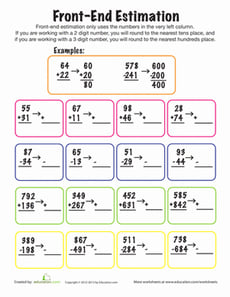
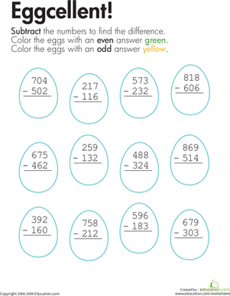
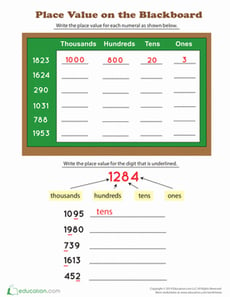
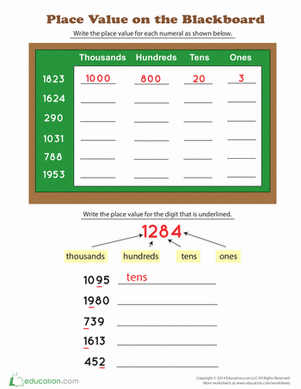
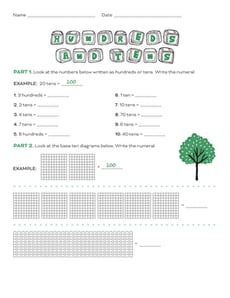
On Education.com, learn about place value with a variety of engaging 2nd grade worksheets designed to introduce young students to the fundamentals of number systems. These printable activities assist educators and parents in teaching students how to recognize, compare, and understand the value of digits within numbers up to 100. Each worksheet presents manageable challenges that strengthen counting skills, number sense, and the foundation for arithmetic operations.
Education.com provides structured, teacher-approved resources such as printable classroom activities, practice problems, and interactive games that help students grasp place value concepts. These resources support consistent math practice, reinforce foundational skills, and make learning engaging for young learners. Educators and parents can easily incorporate these materials into daily lessons or homework assignments to track progress and build confidence.
Using the 2nd grade understanding place value worksheets on Education.com provides a convenient and affordable way to enhance mathematics instruction. These resources save time by offering ready-to-use, focused exercises that build a strong number sense, set the stage for more advanced topics, and make math practice at home or in the classroom both effective and enjoyable.
Education.com provides structured, teacher-approved resources such as printable classroom activities, practice problems, and interactive games that help students grasp place value concepts. These resources support consistent math practice, reinforce foundational skills, and make learning engaging for young learners. Educators and parents can easily incorporate these materials into daily lessons or homework assignments to track progress and build confidence.
Using the 2nd grade understanding place value worksheets on Education.com provides a convenient and affordable way to enhance mathematics instruction. These resources save time by offering ready-to-use, focused exercises that build a strong number sense, set the stage for more advanced topics, and make math practice at home or in the classroom both effective and enjoyable.