
3rd Grade Observations and Data Collection Resources








About 3rd Grade Observations And Data Collection Resources
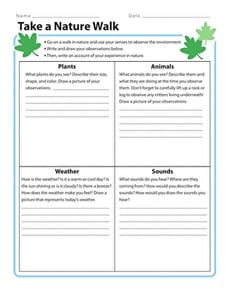
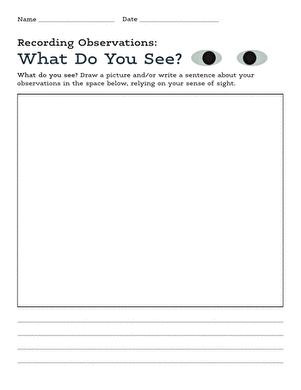
On Education.com, 3rd grade observations and data collection resources provide educators and parents with hands-on science and math activities that encourage exploration and critical thinking. Materials such as weather charts, plant and animal observation worksheets, and classroom experiments help students learn scientific methods and develop inquiry skills. These resources are designed to facilitate engaging, practice-based learning that makes abstract concepts visible and tangible.
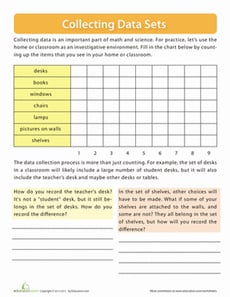
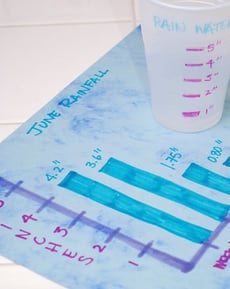
This page offers printable observation sheets, interactive activities, and lesson plans that guide students in collecting, recording, and analyzing data. By working on project-based tasks like tracking weather patterns or mapping insect sightings, learners enhance their ability to organize observations and interpret information visually through charts and graphs. These tools support both classroom instruction and at-home learning, making experimentation accessibility and structured.
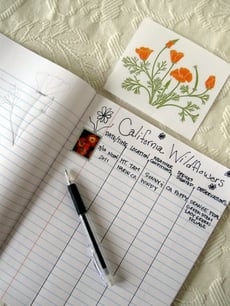
Educators and parents can build structured lesson plans or fun science projects around real-world observations using these materials. For example, students can create weather journals, document seasonal changes, or track activity logs in natural habitats. With ready-to-use charts and printable data sheets, educators save time while providing students meaningful, structured ways to explore the natural world and strengthen scientific thinking. The resources support practice in observation, data collection, graphing skills, and critical analysis.
This page offers printable observation sheets, interactive activities, and lesson plans that guide students in collecting, recording, and analyzing data. By working on project-based tasks like tracking weather patterns or mapping insect sightings, learners enhance their ability to organize observations and interpret information visually through charts and graphs. These tools support both classroom instruction and at-home learning, making experimentation accessibility and structured.
Educators and parents can build structured lesson plans or fun science projects around real-world observations using these materials. For example, students can create weather journals, document seasonal changes, or track activity logs in natural habitats. With ready-to-use charts and printable data sheets, educators save time while providing students meaningful, structured ways to explore the natural world and strengthen scientific thinking. The resources support practice in observation, data collection, graphing skills, and critical analysis.