
3rd Grade Division Strategies Worksheets

















About 3rd Grade Division Strategies Worksheets
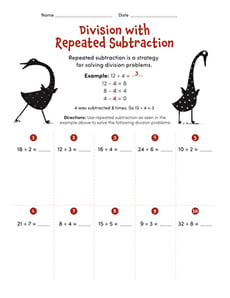
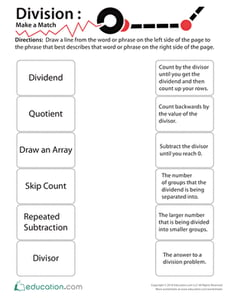
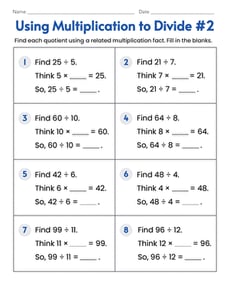
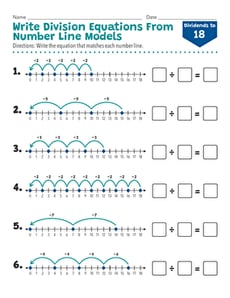
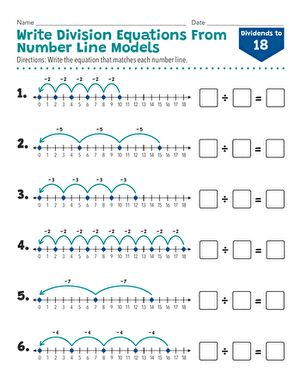
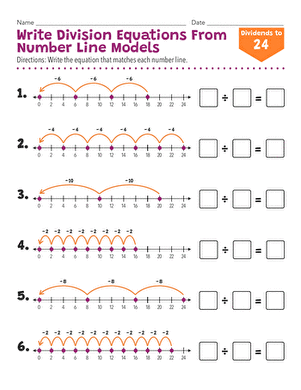
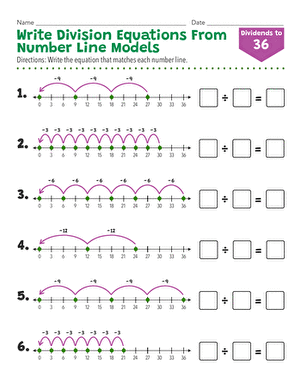
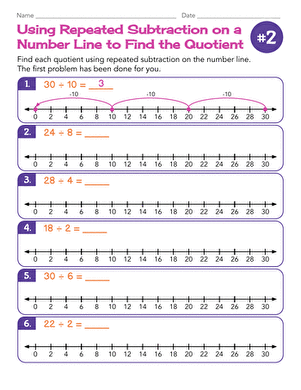
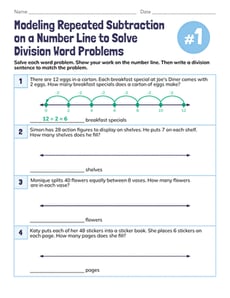
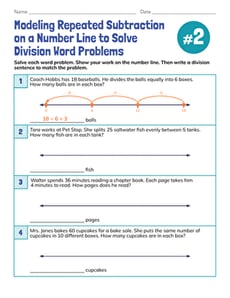
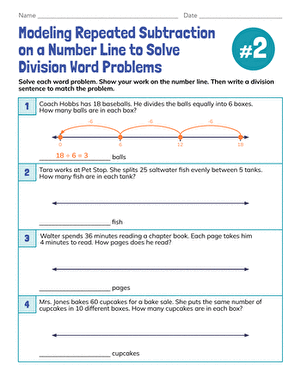
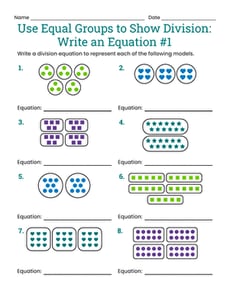
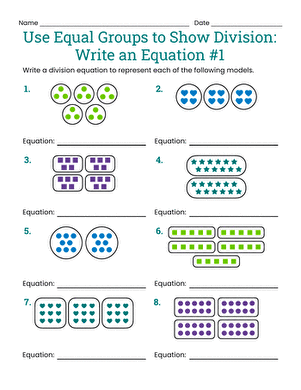
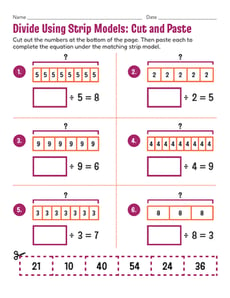
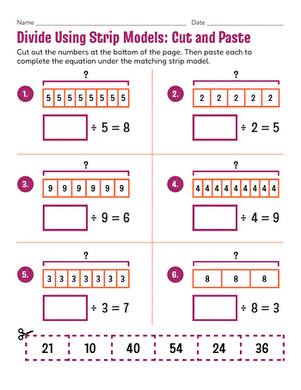
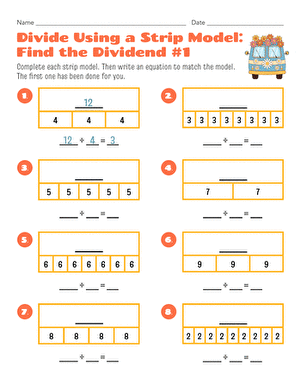
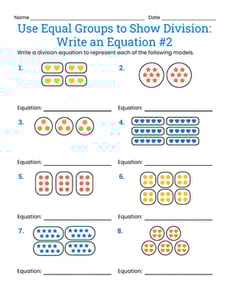
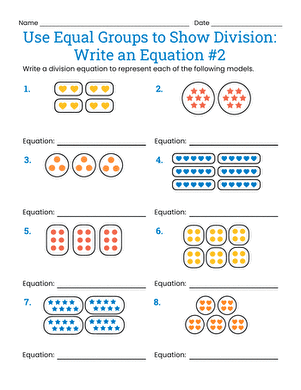
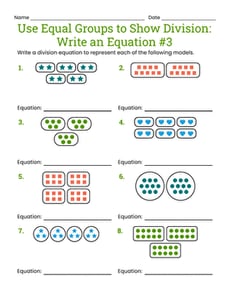
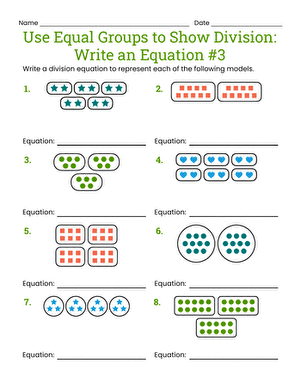
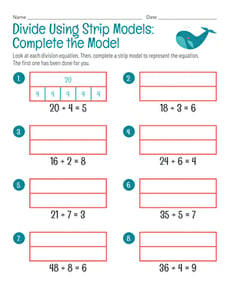
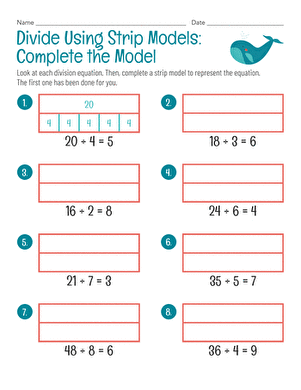
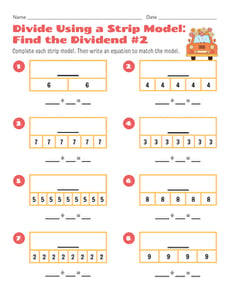
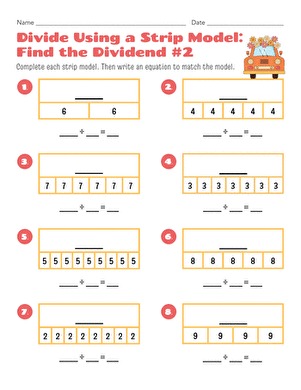
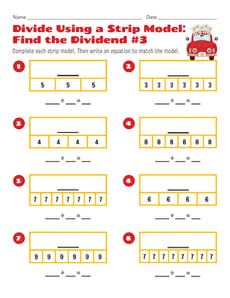
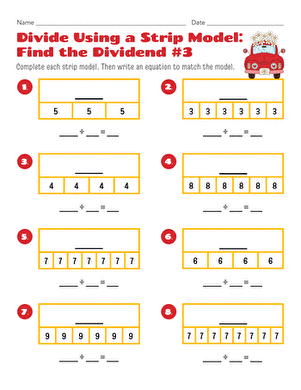
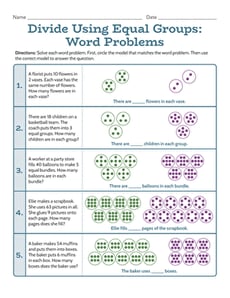
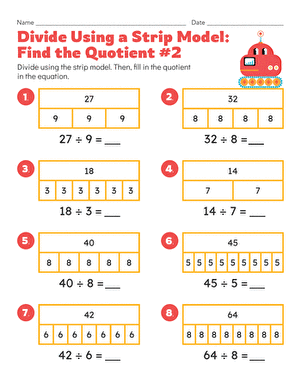
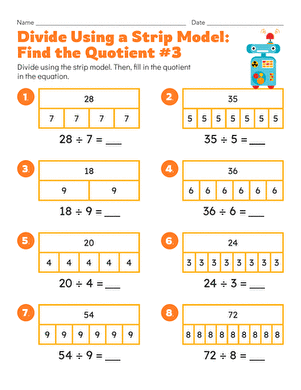
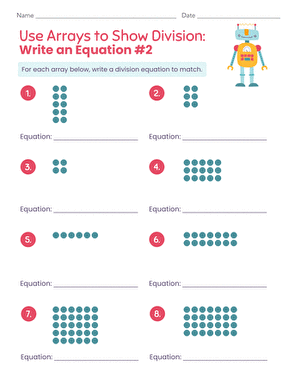
On Education.com, students can explore a variety of chapter 8 division activities that help build familiarity and confidence with dividing numbers. These materials include interactive exercises, visual aids, and practice sheets tailored to 3rd-grade learners. Dividing concepts such as divided into groups, sharing equally, and understanding remainders are emphasized to strengthen foundational math skills. By organizing lessons around real-world applications and step-by-step guidance, learners can apply division strategies to everyday problem-solving scenarios.
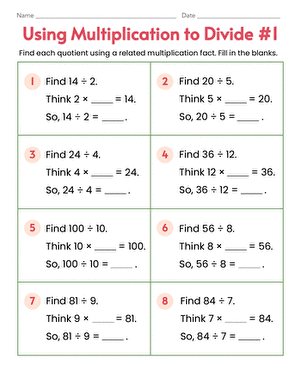
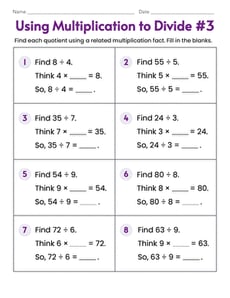
Parents and teachers can access this page to find printable worksheets, games, and online activities designed to reinforce division concepts learned in class. These resources guide 3rd graders through tasks like dividing with larger numbers, solving word problems, and grasping the relationship between multiplication and division. The materials support STEM education, promote critical thinking, and add variety to math instruction through engaging, structured practice. Accessing hands-on models helps children visualize division and connect theory to practice.
Educators and parents can use this page to provide 3rd-grade students with organized, accessible resources for mastering division strategies. Incorporating these worksheets into regular practice supportsprogress in understanding division, enhances problem-solving abstraction, and prepares students for more advanced math concepts. The materials make it easier for educators to differentiate instruction and tailor learning to each student’s pace, while parents can engage children with structured worksheets at home. With clear guidance and practice opportunities, learners develop stronger essential math skills.
Parents and teachers can access this page to find printable worksheets, games, and online activities designed to reinforce division concepts learned in class. These resources guide 3rd graders through tasks like dividing with larger numbers, solving word problems, and grasping the relationship between multiplication and division. The materials support STEM education, promote critical thinking, and add variety to math instruction through engaging, structured practice. Accessing hands-on models helps children visualize division and connect theory to practice.
Educators and parents can use this page to provide 3rd-grade students with organized, accessible resources for mastering division strategies. Incorporating these worksheets into regular practice supportsprogress in understanding division, enhances problem-solving abstraction, and prepares students for more advanced math concepts. The materials make it easier for educators to differentiate instruction and tailor learning to each student’s pace, while parents can engage children with structured worksheets at home. With clear guidance and practice opportunities, learners develop stronger essential math skills.