
3rd Grade Understanding Fractions Worksheets
























About 3rd Grade Understanding Fractions Worksheets
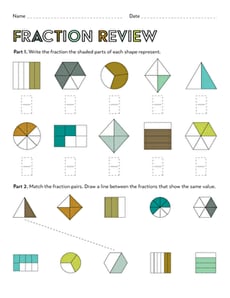
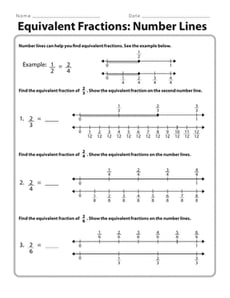
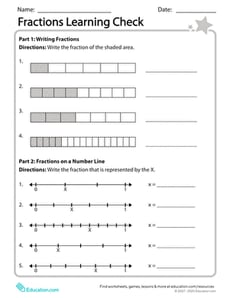
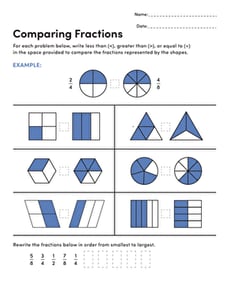
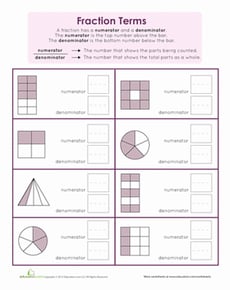
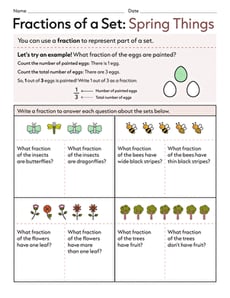
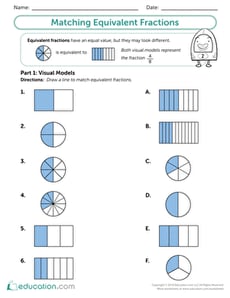
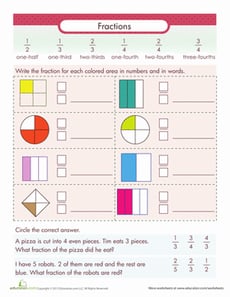
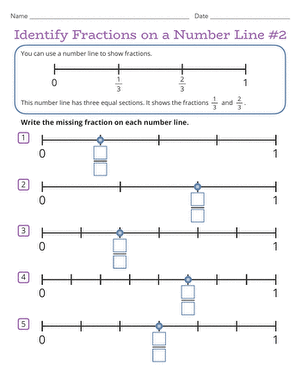
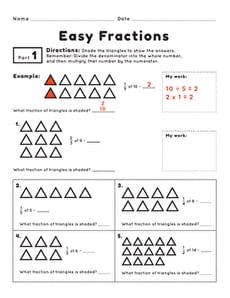
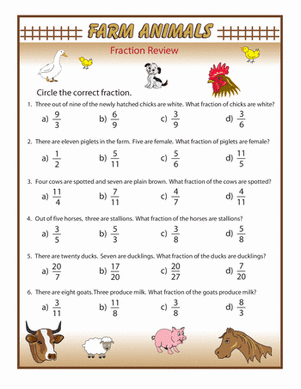
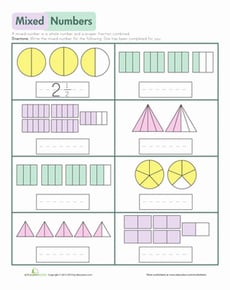
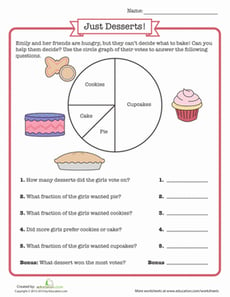
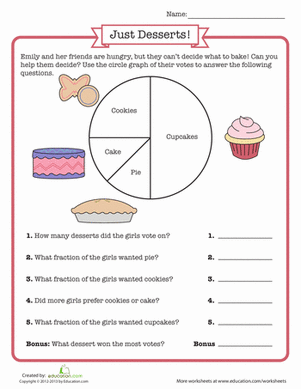
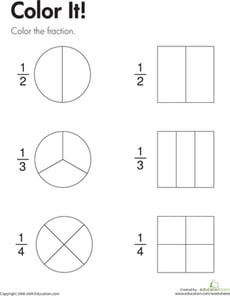
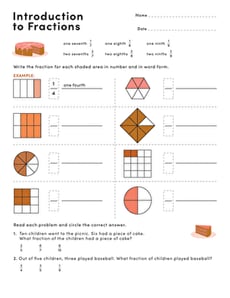
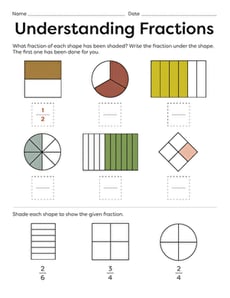
On Education.com, parents and teachers can access a variety of 3rd grade understanding fractions worksheets that support learning by providing structured practice problems and visual aids. These resources help students grasp the concept of fractions, compare different fractions, and understand parts of a whole through engaging exercises. Each worksheet is designed to reinforce classroom instruction and build solid foundational skills in fraction concepts.
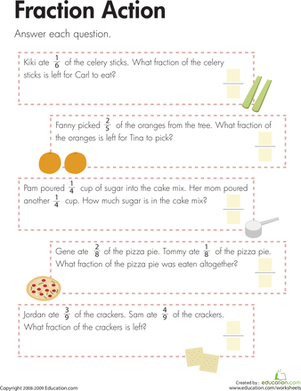
This page provides printable materials, interactive activities, and lesson plans tailored to a 3rd-grade understanding of fractions. Educators and parents can efficiently plan lessons or at-home practice sessions that reinforce fraction recognition, addition, and subtraction. The worksheets’ structured formats help students develop confidence and expand their math proficiency by providing consistent practice with real-world applications.
Using these resources in the classroom or at home allows educators and parents to strengthen fraction understanding through engaging exercises that cater to a variety of learning styles. Teachers can assign practice pages for classwork, while parents can use them to reinforce math concepts-building confidence and ensuring mastery. The site’s fraction worksheets support collaborative learning and provide a well-structured progression to more advanced fraction concepts.
This page provides printable materials, interactive activities, and lesson plans tailored to a 3rd-grade understanding of fractions. Educators and parents can efficiently plan lessons or at-home practice sessions that reinforce fraction recognition, addition, and subtraction. The worksheets’ structured formats help students develop confidence and expand their math proficiency by providing consistent practice with real-world applications.
Using these resources in the classroom or at home allows educators and parents to strengthen fraction understanding through engaging exercises that cater to a variety of learning styles. Teachers can assign practice pages for classwork, while parents can use them to reinforce math concepts-building confidence and ensuring mastery. The site’s fraction worksheets support collaborative learning and provide a well-structured progression to more advanced fraction concepts.