
3rd Grade Physical Science Worksheets



























About 3rd Grade Physical Science Worksheets
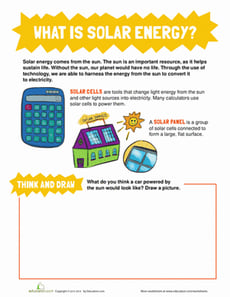
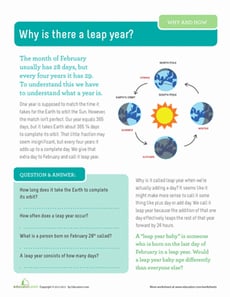
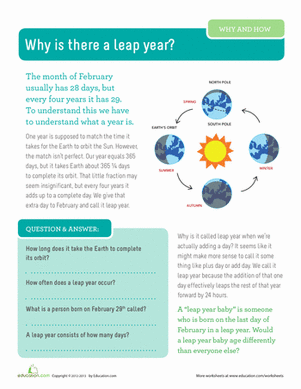
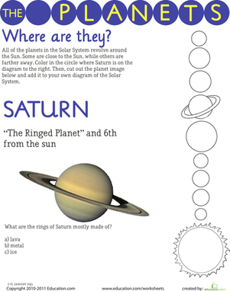
On Education.com, third-grade physical science worksheets introduce students to topics such as matter, energy, forces, and motion. These materials help young learners explore scientific concepts through engaging exercises, experiments, and observations, making abstract ideas more tangible. Educators and parents can access structured lesson plans, hands-on activities, and printable workbook pages that support classroom and at-home science learning. By providing age-appropriate experiments and problem-solving challenges, students develop critical thinking and a sense of curiosity about the natural world.
Educators and parents can use on Education.com a wide range of third-grade physical science resources including printable worksheets, hands-on experiments, and interactive games. These worksheets cover topics such as states of matter, gravity, simple machines, and experiments to observe physical properties. Using these instructional materials encourages experiential learning and helps teachers reinforce textbook lessons in a structured yet creative way. For parents at home, the resources provide a convenient and educational way to make science learning fun and interactive for children.
Examples include using printable worksheets to track observations of objects, conduct experiments on forces and motion, and compare states of matter. Educators may incorporate interactive lessons emphasizing scientific methods or physical observations, extending classroom experiments into practical explorations. Parents can guide children through hands-on activities that demonstrate scientific principles, fostering a love of discovery outside the classroom. These materials enhance STEM learning while making science accessible and engaging for third-grade students.
Educators and parents can use on Education.com a wide range of third-grade physical science resources including printable worksheets, hands-on experiments, and interactive games. These worksheets cover topics such as states of matter, gravity, simple machines, and experiments to observe physical properties. Using these instructional materials encourages experiential learning and helps teachers reinforce textbook lessons in a structured yet creative way. For parents at home, the resources provide a convenient and educational way to make science learning fun and interactive for children.
Examples include using printable worksheets to track observations of objects, conduct experiments on forces and motion, and compare states of matter. Educators may incorporate interactive lessons emphasizing scientific methods or physical observations, extending classroom experiments into practical explorations. Parents can guide children through hands-on activities that demonstrate scientific principles, fostering a love of discovery outside the classroom. These materials enhance STEM learning while making science accessible and engaging for third-grade students.