
5th Grade Ecosystems Resources



About 5th Grade Ecosystems Resources
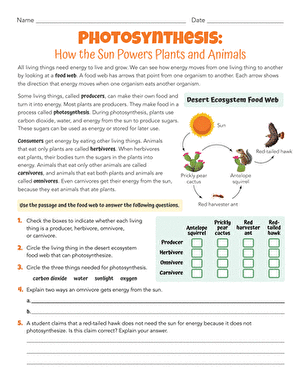
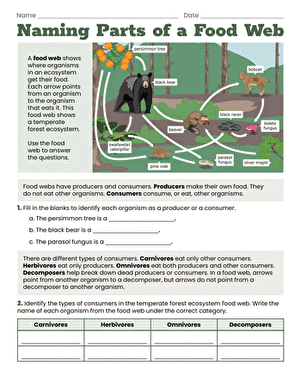
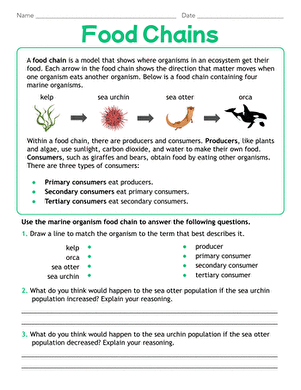
On Education.com, 5th grade ecosystems resources include lesson plans, worksheets, and printable activities that teach students about the structure and components of ecosystems. These resources help students understand relationships between living and non-living parts, energy flow, and different biomes such as forests, deserts, and oceans. Planning printables and interactive exercises make complex biological concepts accessible and engaging for young learners.
Children can explore the 5th grade ecosystems page by engaging with materials that cover food webs, adaptations, and the impact of humans on ecosystems. Resources include diagram worksheets, interactive games, and hands-on projects that reinforce science standards. Educators and parents can access ready-to-use materials that encourage exploration and observation of natural environments.
This collection allows for classroom or at-home learning that connects science principles to real-world examples. Using structured worksheets, digital simulations, and visual projects saved for repeat use helps students build foundational ecological understanding while saving time on lesson planning. Educators and parents can combine these materials to foster curiosity, observation skills, and scientific thinking.
Children can explore the 5th grade ecosystems page by engaging with materials that cover food webs, adaptations, and the impact of humans on ecosystems. Resources include diagram worksheets, interactive games, and hands-on projects that reinforce science standards. Educators and parents can access ready-to-use materials that encourage exploration and observation of natural environments.
This collection allows for classroom or at-home learning that connects science principles to real-world examples. Using structured worksheets, digital simulations, and visual projects saved for repeat use helps students build foundational ecological understanding while saving time on lesson planning. Educators and parents can combine these materials to foster curiosity, observation skills, and scientific thinking.