
Subtopics:
Educational 6th Grade Least Common Multiple Games
About Educational 6th Grade Least Common Multiple Games
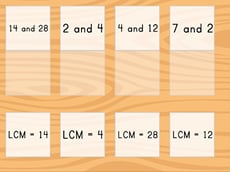
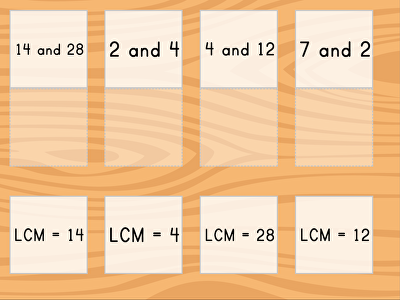
On Education.com, students can explore engaging 6th-grade Least Common Multiple (LCM) games that help build fluency through interactive activities. These digital resources include matching games, such as Match: Least Common Multiple, providing hands-on practice that makes learning about multiples fun and accessible. By engaging with these tools, students reinforce their understanding of divisor relationships and numerical patterns in an engaging way.
This collection also features printable worksheets, classroom games, and interactive lessons that support practicing and mastering LCM concepts. Activities from on-site resources help educators and parents provide diverse, hands-on learning experiences that promote critical thinking and computational skills. With these materials, students gain strength in identifying smallest common multiples across multiple sets of numbers, fostering a deeper understanding of fraction, ratio, and number concepts.
Using educational games like Knife Fight with LCM or interactive classroom activities encourages collaboration, critical thinking, and arithmetic fluency. Educators and parents can employ these engaging tools to make math practice interactive and enjoyable. By incorporating variety into practice sessions with digital and hands-on activities, learners stay motivated while mastering foundational mathematics skills.
This collection also features printable worksheets, classroom games, and interactive lessons that support practicing and mastering LCM concepts. Activities from on-site resources help educators and parents provide diverse, hands-on learning experiences that promote critical thinking and computational skills. With these materials, students gain strength in identifying smallest common multiples across multiple sets of numbers, fostering a deeper understanding of fraction, ratio, and number concepts.
Using educational games like Knife Fight with LCM or interactive classroom activities encourages collaboration, critical thinking, and arithmetic fluency. Educators and parents can employ these engaging tools to make math practice interactive and enjoyable. By incorporating variety into practice sessions with digital and hands-on activities, learners stay motivated while mastering foundational mathematics skills.