7th Grade Teacher Resources
43 results
7th Grade
✕Teacher Resources
✕43 results
7th Grade Teacher Resources
43 results
7th Grade
✕Teacher Resources
✕43 results



























About 7th Grade Teacher Resources
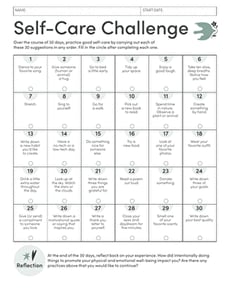
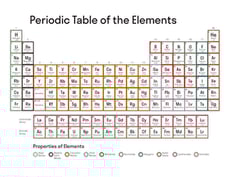
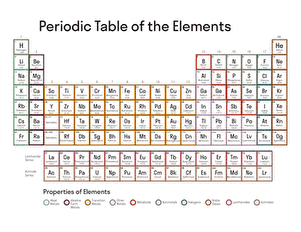
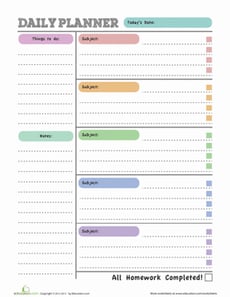
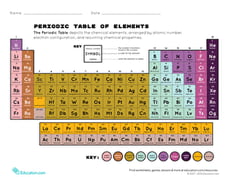
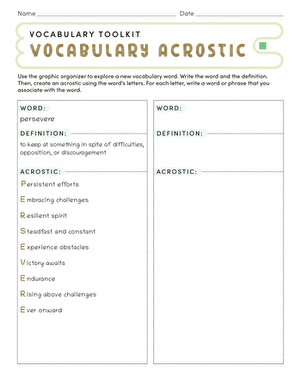
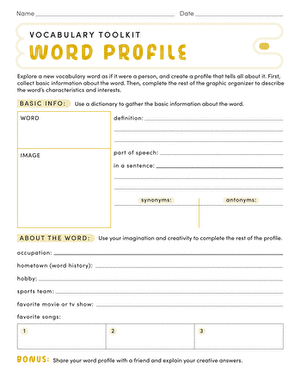
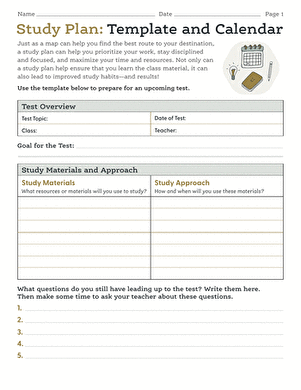
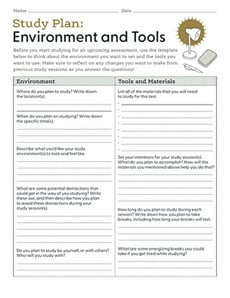
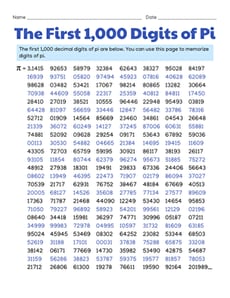
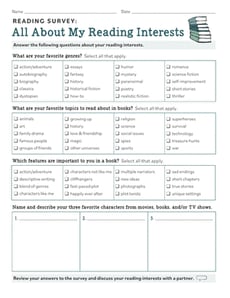
On Education.com, 7th grade teacher resources provide a comprehensive suite of classroom materials, including worksheets, lesson plans, and printable activities. These resources are designed to support educators in teaching subjects such as math, science, English, and social studies, helping students develop critical thinking and problem-solving skills. Each page offers easy-to-access materials tailored for middle school students to reinforce concepts and encourage interactive learning.
Discover a wide range of 7th grade teacher resources, including interactive lessons, quizzes, hands-on experiments, and project ideas that engage students and make learning enjoyable. This collection provides practical tools for differentiated instruction and assessment, enabling teachers to customize their approach for diverse learners. Teachers can streamline lesson planning and grading while ensuring students gain a solid foundation for future academic success.
Explore 7th grade teacher resources on Education.com to access engaging teaching materials that save time and enhance classroom learning. These resources support educators in creating engaging lessons, tracking student progress, and providing targeted feedback. With ready-to-use worksheets and activities, educators can focus on inspiring curiosity and fostering a love of learning.
Discover a wide range of 7th grade teacher resources, including interactive lessons, quizzes, hands-on experiments, and project ideas that engage students and make learning enjoyable. This collection provides practical tools for differentiated instruction and assessment, enabling teachers to customize their approach for diverse learners. Teachers can streamline lesson planning and grading while ensuring students gain a solid foundation for future academic success.
Explore 7th grade teacher resources on Education.com to access engaging teaching materials that save time and enhance classroom learning. These resources support educators in creating engaging lessons, tracking student progress, and providing targeted feedback. With ready-to-use worksheets and activities, educators can focus on inspiring curiosity and fostering a love of learning.