
8th Grade Animals Resources

















About 8th Grade Animals Resources
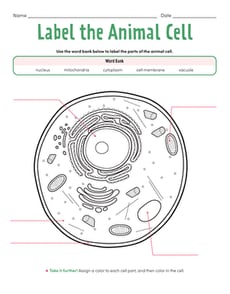
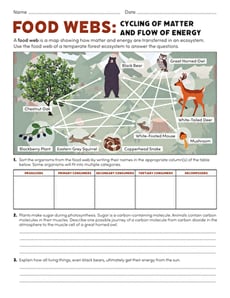
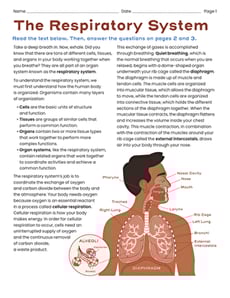
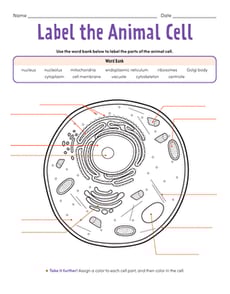
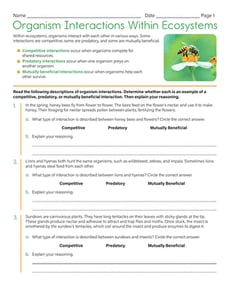
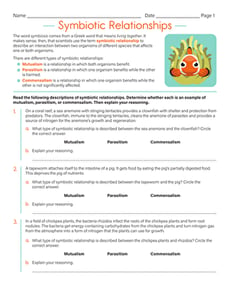
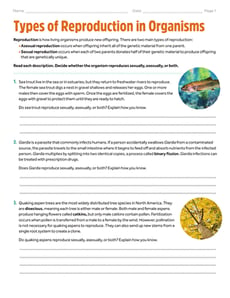
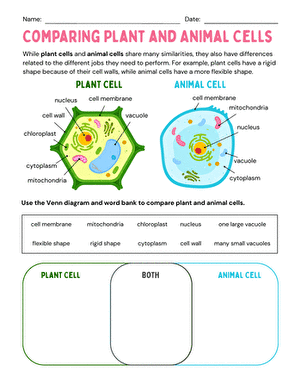
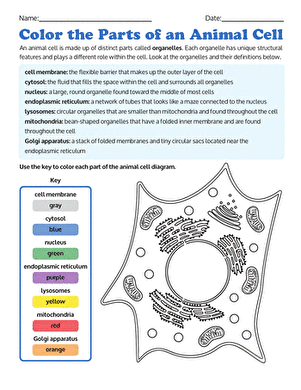
On Education.com, eighth-grade animals resources include worksheets, printable lessons, and interactive activities that explore animal biology, habitats, and ecosystems. These materials support science instruction by providing structured practice to reinforce students' understanding of animal characteristics, classifications, and adaptations. Educators and parents can access curated resources that make studying animals engaging and accessible for middle school learners.
Educators can use learning guides and comprehensive unit plans on Education.com to teach about animal ecology, lifecycle, and behavior. The site offers science lesson plans, animal comparisons, and chart activities that help during classroom or remote learning. Materials are designed to promote critical thinking and deepen students’ connection to biological concepts through hands-on experiences.
Students and parents can explore interactive games, experiment ideas, and studying guides on Education.com that encourage active participation in learning about animals. These resources simplify complex scientific information, making it easier before school exams, projects, or in-class discussions. By using these clear and organized materials, young learners can develop both scientific knowledge and a lasting curiosity for the natural world.
Educators can use learning guides and comprehensive unit plans on Education.com to teach about animal ecology, lifecycle, and behavior. The site offers science lesson plans, animal comparisons, and chart activities that help during classroom or remote learning. Materials are designed to promote critical thinking and deepen students’ connection to biological concepts through hands-on experiences.
Students and parents can explore interactive games, experiment ideas, and studying guides on Education.com that encourage active participation in learning about animals. These resources simplify complex scientific information, making it easier before school exams, projects, or in-class discussions. By using these clear and organized materials, young learners can develop both scientific knowledge and a lasting curiosity for the natural world.