
8th Grade Earth's Systems Worksheets












About 8th Grade Earth's Systems Worksheets
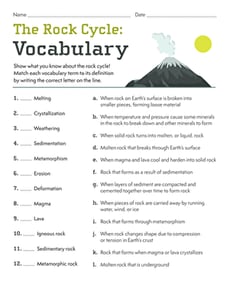
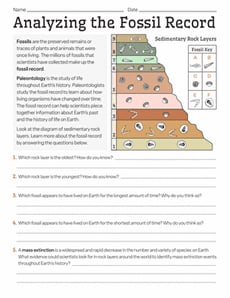
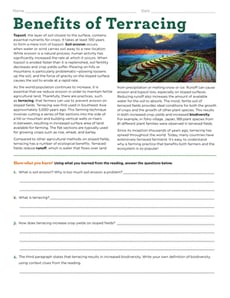
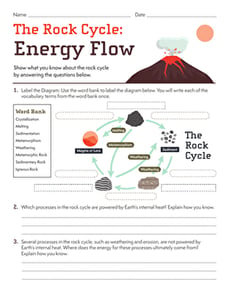
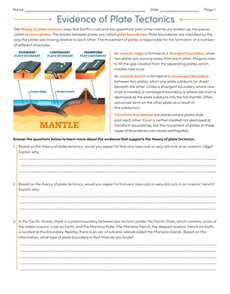
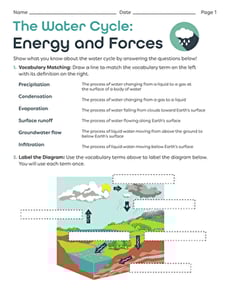
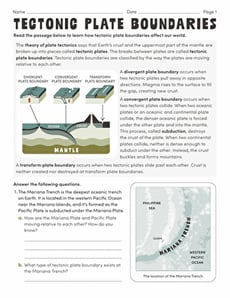
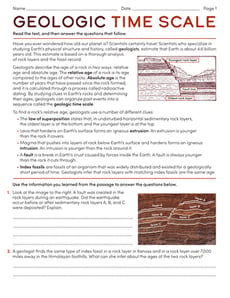
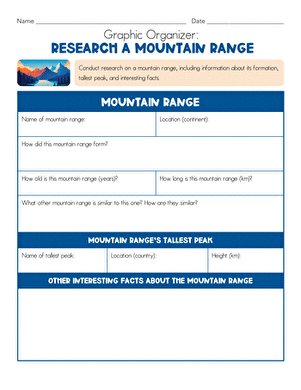
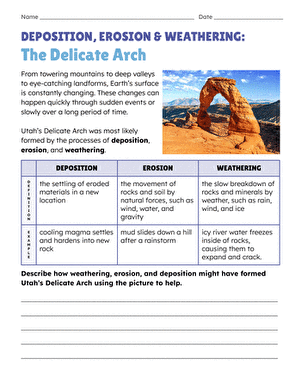
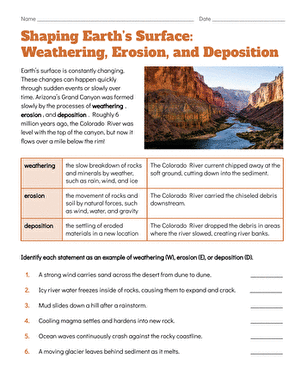
On Education.com, 8th grade Earth's systems worksheets provide students with structured practice on geology, meteorology, oceanography, and astronomy. These resources help learners understand the interconnected processes that shape our planet, enhancing science skills and scientific thinking. Designed for middle school students, printable activities include diagrams, experiments, and assessments that reinforce key concepts. Educators and parents can use these worksheets to support classroom instruction or home learning, making science accessible and engaging.
Explore Education.com’s collection of 8th grade Earth's systems worksheets, which feature diverse materials such as chart exercises, interactive simulations, and real-world problem-solving pages. These resources make complex scientific topics understandable through hands-on learning and visual aids. By using these worksheets, educators can supplement lessons, provide targeted review, or introduce new concepts in an organized format. Parents can also reinforce science education gently at home while fostering curiosity and inquiry.
Find structured, ready-to-use minutes such as worksheets and classroom lessons for 8th grade Earth's systems on Education.com. These grade-appropriate learning materials support appreciation for natural sciences, inspire critical thinking, and connect scientific concepts to real-world phenomena. Using these resources saves educators and parents time while delivering high-quality, engaging educational experiences.
Explore Education.com’s collection of 8th grade Earth's systems worksheets, which feature diverse materials such as chart exercises, interactive simulations, and real-world problem-solving pages. These resources make complex scientific topics understandable through hands-on learning and visual aids. By using these worksheets, educators can supplement lessons, provide targeted review, or introduce new concepts in an organized format. Parents can also reinforce science education gently at home while fostering curiosity and inquiry.
Find structured, ready-to-use minutes such as worksheets and classroom lessons for 8th grade Earth's systems on Education.com. These grade-appropriate learning materials support appreciation for natural sciences, inspire critical thinking, and connect scientific concepts to real-world phenomena. Using these resources saves educators and parents time while delivering high-quality, engaging educational experiences.