
Offline Educational 3rd Grade Observations and Data Collection Games

About Offline Educational 3rd Grade Observations And Data Collection Games
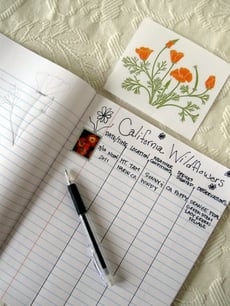
On Education.com, this page provides hands-on activities, worksheets, and lesson plans to help 3rd-grade students observe and collect data from the natural world. Examples include creating nature journals, tracking plants or animals, and categorizing objects during outdoor hunts. These activities introduce students to fundamental scientific concepts while encouraging curiosity and careful observation in a fun, accessible way.
Explore printable worksheets and interactive games like graphing with physical objects, sorting groupings, and pattern recognition exercises. These materials make it easy for teachers and parents to provide structured learning experiences that support critical thinking, data analysis, and pattern recognition. Each activity incorporates real-world observations activated through engaging, offline approaches.
Using Education.com resources, educators and parents can supplement science lessons with practical data collection techniques. From building bar graphs using classroom supplies to exploring data with graphic organizers or real items, these materials foster empirical skills. They provide structured yet adaptable options to make learning about observation and data collection both effective and memorable.
Explore printable worksheets and interactive games like graphing with physical objects, sorting groupings, and pattern recognition exercises. These materials make it easy for teachers and parents to provide structured learning experiences that support critical thinking, data analysis, and pattern recognition. Each activity incorporates real-world observations activated through engaging, offline approaches.
Using Education.com resources, educators and parents can supplement science lessons with practical data collection techniques. From building bar graphs using classroom supplies to exploring data with graphic organizers or real items, these materials foster empirical skills. They provide structured yet adaptable options to make learning about observation and data collection both effective and memorable.