
Kindergarten Collecting and Organizing Data Activities












About Kindergarten Collecting And Organizing Data Activities
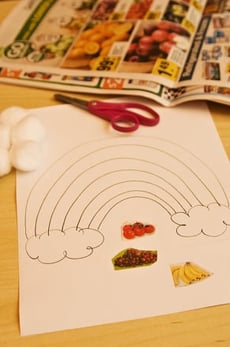
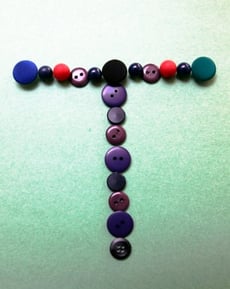
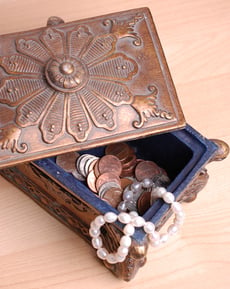
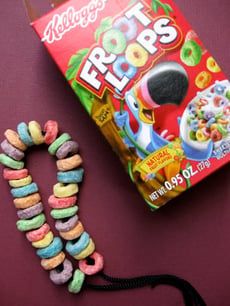
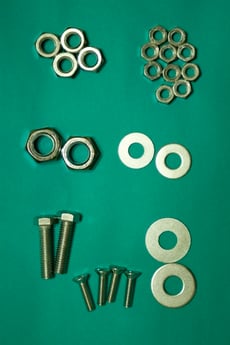
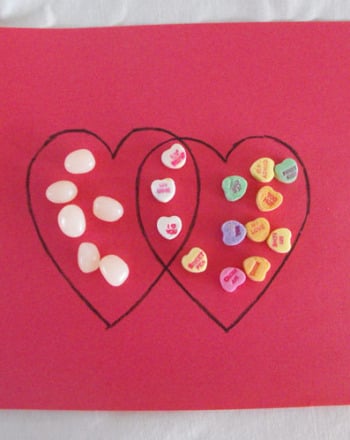
On Education.com, kindergarten collecting and organizing data activities introduce young learners to sorting, classifying, and charting objects through hands-on exercises. These activities help children develop observation, counting, and categorization skills while making learning engaging. Examples include sorting school supplies by color, shape, or size and creating basic charts to compare valued objects.
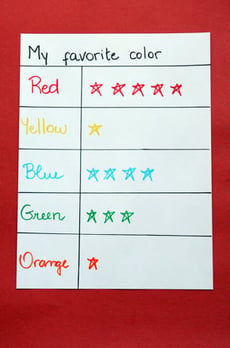
This page offers a variety of printable worksheets and classroom activities designed to help kindergarten students practice collecting and organizing data. Resources include graphing exercises, sorting games, tally chart practice, and real-world data collection tasks, making concepts accessible through interactive and visual learning tools. These materials encourage critical thinking and understanding of investigative skills at a young age.
Educators and parents can use these resources to create structured lessons that introduce data handling activities, reinforce patterns and comparisons, and promote hands-on learning. Making data collection fun and approachable helps children build foundational math and science skills while encouraging curiosity about the world around them.
This page offers a variety of printable worksheets and classroom activities designed to help kindergarten students practice collecting and organizing data. Resources include graphing exercises, sorting games, tally chart practice, and real-world data collection tasks, making concepts accessible through interactive and visual learning tools. These materials encourage critical thinking and understanding of investigative skills at a young age.
Educators and parents can use these resources to create structured lessons that introduce data handling activities, reinforce patterns and comparisons, and promote hands-on learning. Making data collection fun and approachable helps children build foundational math and science skills while encouraging curiosity about the world around them.