
Educational Kindergarten Subtraction Fact Fluency Games


About Educational Kindergarten Subtraction Fact Fluency Games
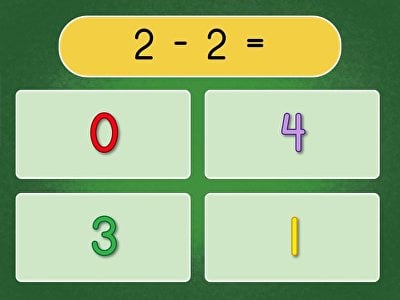
On Education.com, parent and teacher access to essential kindergarten subtraction fact fluency games includes printable activities, interactive worksheets, and engaging online games. These resources focus on helping young learners practice single-digit subtraction in a fun and supportive way, reinforcing core arithmetic skills through games and structured exercises. With blank space pages, number line challenges, and themed activities like counting treasure chests or animals, children build confidence and automatic recall without disputes or structured worksheets.
Browse education.com for a variety of kindergarten subtraction fact games, including printable classroom-assisted options and digital simulations. These adaptable materials allow educators to tailor activities for small group lessons or at-home practice. Carefully structured games, manipulatives, and puzzles support students in mastering subtraction facts within 10 while reinforcing number sense, addition and subtraction relationships, and problem-ever educational practice that engages young children in hands-on learning.
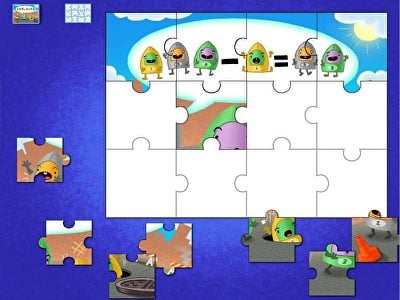
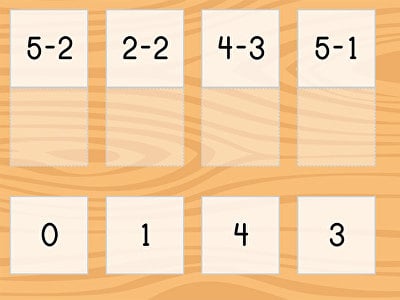
Parents and teachers can quickly access ready-made subtraction fact fluency games on Education.com, saving time creating educational activities. Students can strengthen math skills while having fun with themed learning experiences such as matching games, sequencing challenges, or board game STEM-inspired exercises. Educational resources promote seamless practice and reinforce key mathematics concepts with materials designed to build confidence, develop math fluency, and prepare students for future advanced calculations.
Browse education.com for a variety of kindergarten subtraction fact games, including printable classroom-assisted options and digital simulations. These adaptable materials allow educators to tailor activities for small group lessons or at-home practice. Carefully structured games, manipulatives, and puzzles support students in mastering subtraction facts within 10 while reinforcing number sense, addition and subtraction relationships, and problem-ever educational practice that engages young children in hands-on learning.
Parents and teachers can quickly access ready-made subtraction fact fluency games on Education.com, saving time creating educational activities. Students can strengthen math skills while having fun with themed learning experiences such as matching games, sequencing challenges, or board game STEM-inspired exercises. Educational resources promote seamless practice and reinforce key mathematics concepts with materials designed to build confidence, develop math fluency, and prepare students for future advanced calculations.