
Kindergarten Composing Two-Dimensional Shapes Resources





















About Kindergarten Composing Two-dimensional Shapes Resources
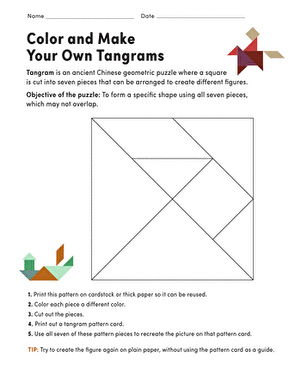
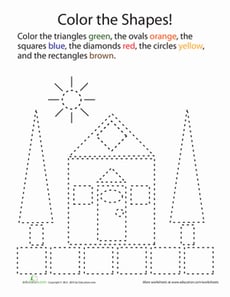
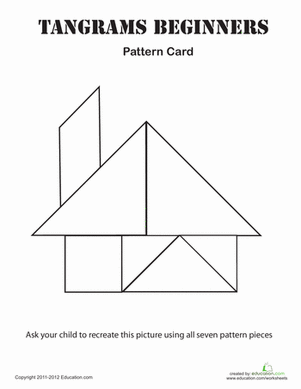
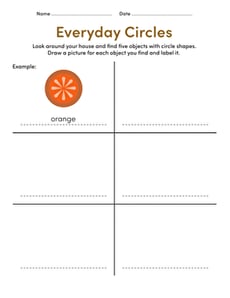
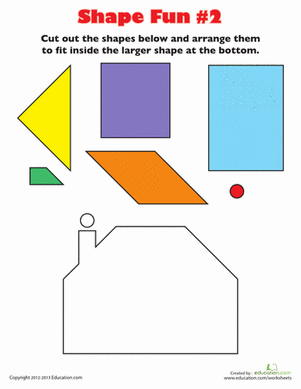
On Education.com, this page provides resources for teaching kindergarten students how to compose two-dimensional shapes. These materials include worksheets, interactive games, and printable activities that help children understand how simple shapes like triangles, squares, and circles can be combined to create larger, more complex figures. Educators and parents can access fun, hands-on exercises that reinforce basic geometry and shape recognition skills.
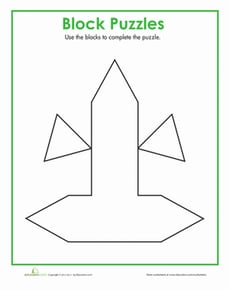
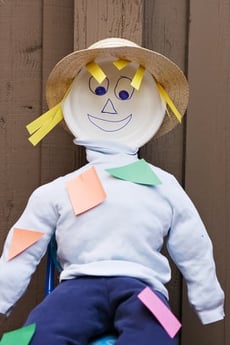
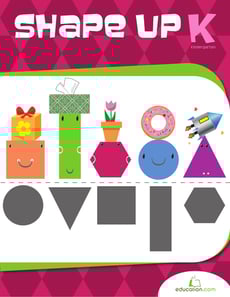
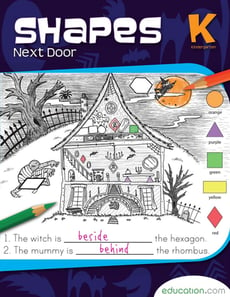
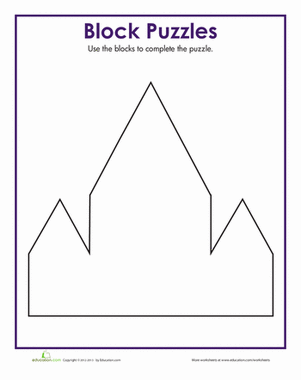
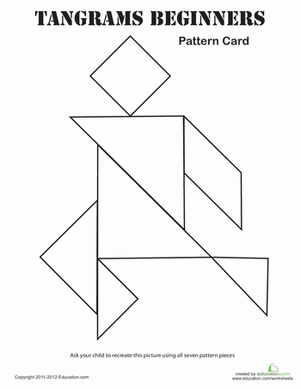
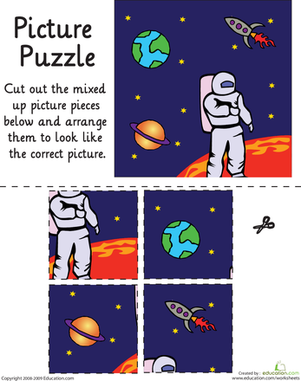
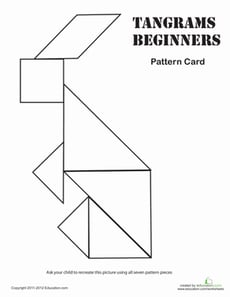
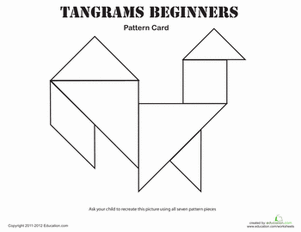
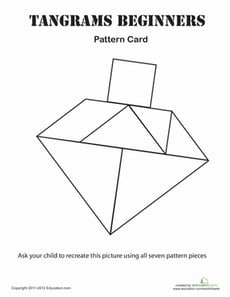
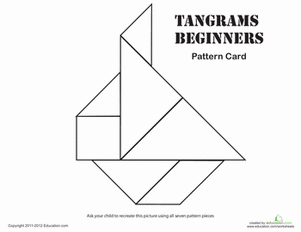
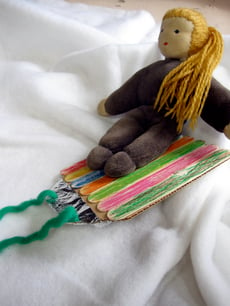
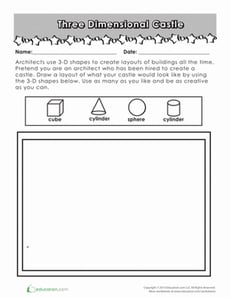
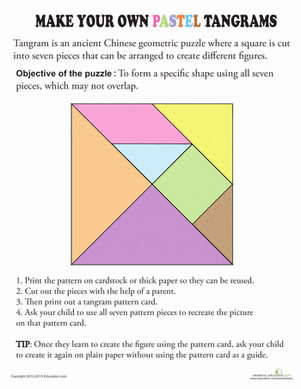
This page features a variety of Kindergarten Composing Two-Dimensional Shapes Resources, such as shape-building templates, pattern block activities, and shape art projects with materials like construction paper, yarn, or popsicle sticks. These resources support total-body engagement and allow children to explore geometric concepts through tactile learning while strengthening fine motor skills. Visual and interactive elements make it easy to integrate shape composition into classroom lessons or at-home practice.
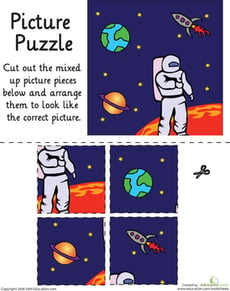
By providing focused materials that pair shading, combining, and cutting activities, this section helps students develop an early understanding of geometric relationships. Parents and teachers can track progress with structured worksheets or encourage creative expression through art projects that reinforce spatial awareness. These resources make learning about shapes engaging and accessible for young children while building a strong foundation for geometry education.
This page features a variety of Kindergarten Composing Two-Dimensional Shapes Resources, such as shape-building templates, pattern block activities, and shape art projects with materials like construction paper, yarn, or popsicle sticks. These resources support total-body engagement and allow children to explore geometric concepts through tactile learning while strengthening fine motor skills. Visual and interactive elements make it easy to integrate shape composition into classroom lessons or at-home practice.
By providing focused materials that pair shading, combining, and cutting activities, this section helps students develop an early understanding of geometric relationships. Parents and teachers can track progress with structured worksheets or encourage creative expression through art projects that reinforce spatial awareness. These resources make learning about shapes engaging and accessible for young children while building a strong foundation for geometry education.