
Kindergarten Shape Patterns Resources



















About Kindergarten Shape Patterns Resources
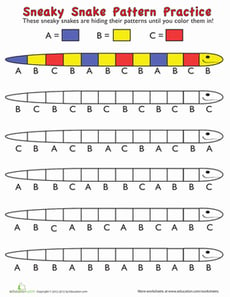
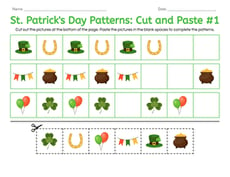
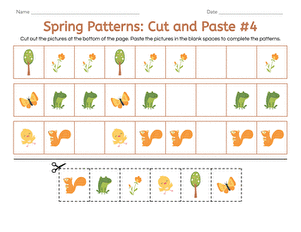
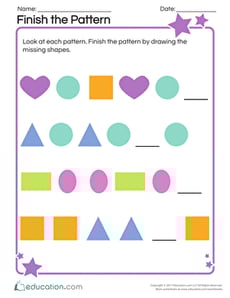
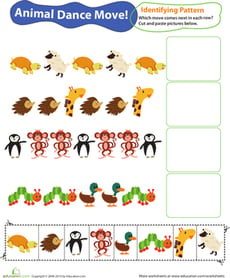
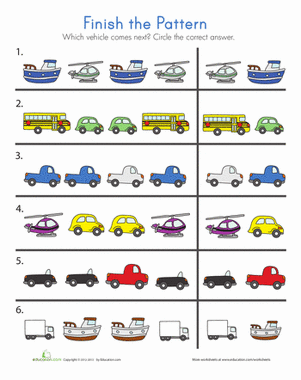
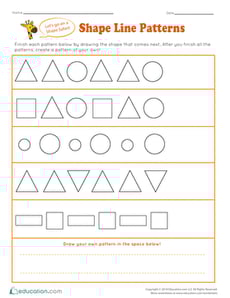
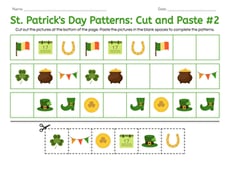
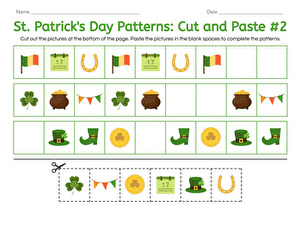
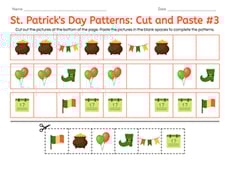
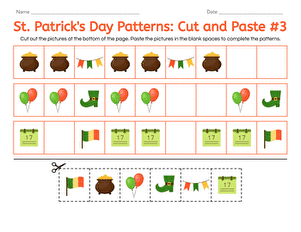
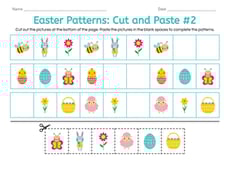
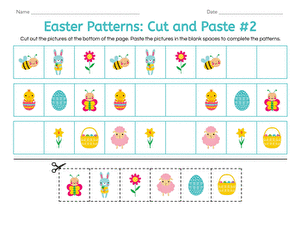
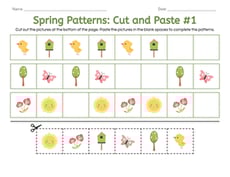
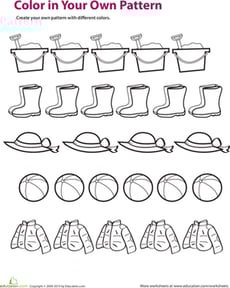
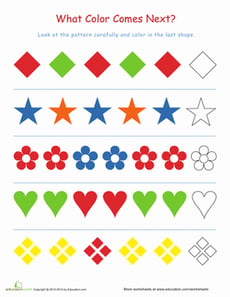
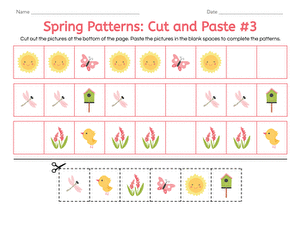
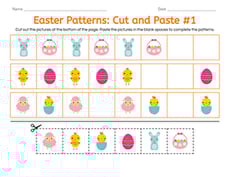
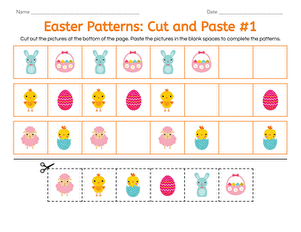
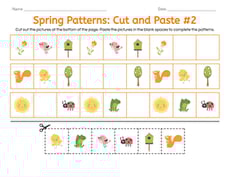
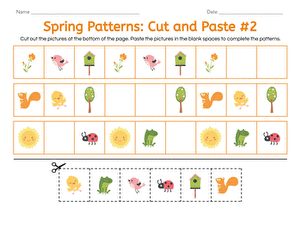
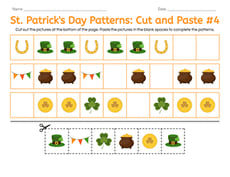
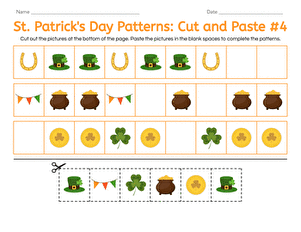
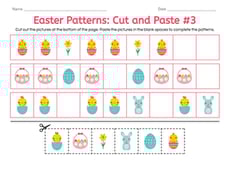
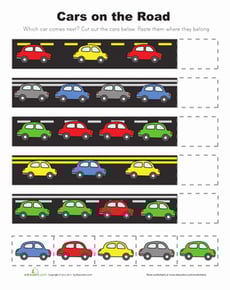
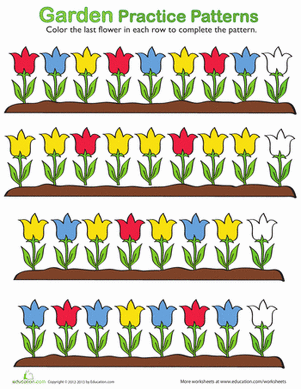
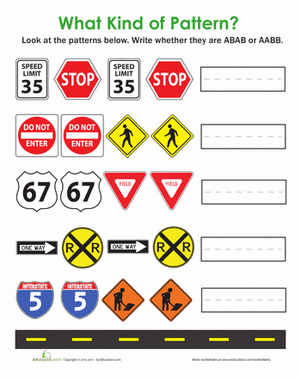
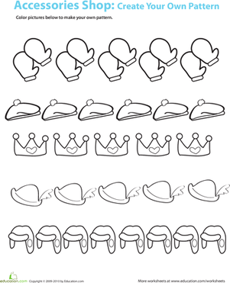
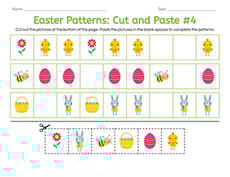
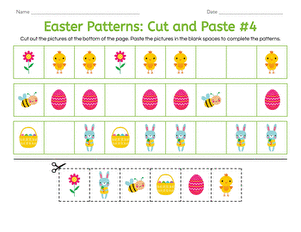
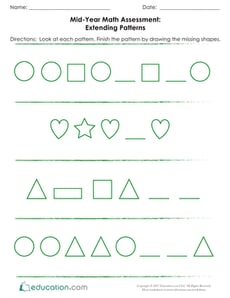
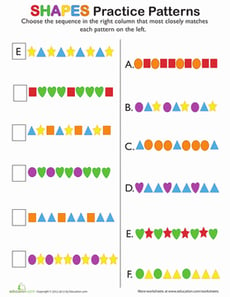
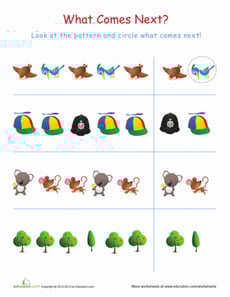
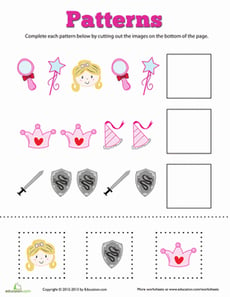
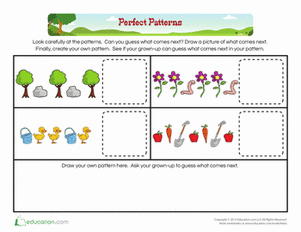
On Education.com, Kindergarten shape patterns resources include worksheets, printable activities, and interactive games that help young children recognize and create repeating patterns. These materials support early learning by developing pattern recognition, fine motor skills, and number sense. The site also offers lesson plans that incorporate shape counting and categorization, fostering foundational math skills.
Discover shape pattern activities that integrate everyday objects such as blocks, buttons, or drawings, encouraging hands-on experimentation in classroom and home settings. These resources provide structured and engaging ways to strengthen pattern awareness while making learning fun. Educators and parents can access printable templates, exercises, and lesson ideas designed to enhance cognitive and observational skills.
Save time planning educational activities by browsing shape pattern worksheets, interactive exercises, and teaching guides on Education.com. These resources allow educators and parents to introduce pattern concepts effectively, track progress, and create engaging learning experiences. Whether exploring physical patterns or digital sequencing, these activities build critical thinking and pattern recognition skills that serve as a foundation for math and science learning.
Discover shape pattern activities that integrate everyday objects such as blocks, buttons, or drawings, encouraging hands-on experimentation in classroom and home settings. These resources provide structured and engaging ways to strengthen pattern awareness while making learning fun. Educators and parents can access printable templates, exercises, and lesson ideas designed to enhance cognitive and observational skills.
Save time planning educational activities by browsing shape pattern worksheets, interactive exercises, and teaching guides on Education.com. These resources allow educators and parents to introduce pattern concepts effectively, track progress, and create engaging learning experiences. Whether exploring physical patterns or digital sequencing, these activities build critical thinking and pattern recognition skills that serve as a foundation for math and science learning.