Preschool Educational Resources
5,023 results
Pre-K
✕5,023 results
Preschool Educational Resources
5,023 results
Pre-K
✕5,023 results



























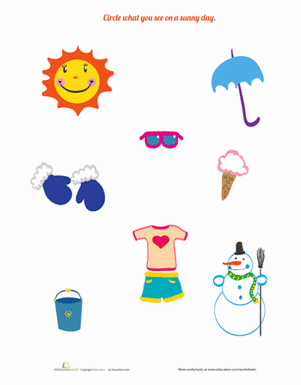
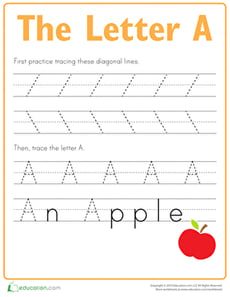

About Preschool Educational Resources
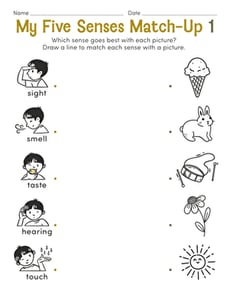
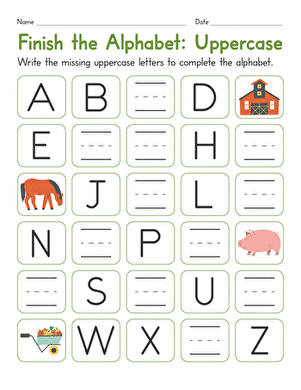
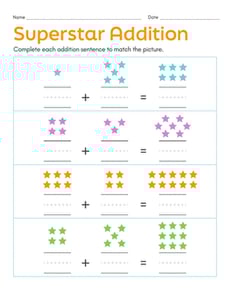
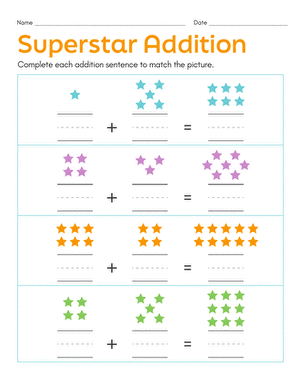
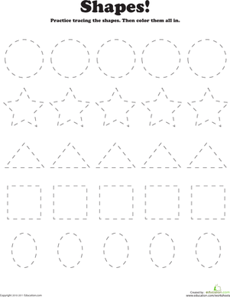
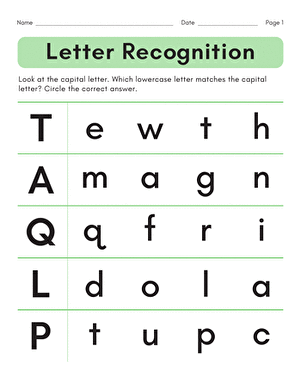
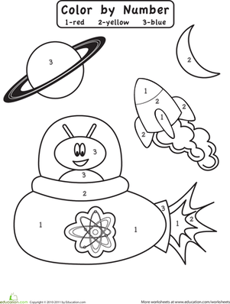
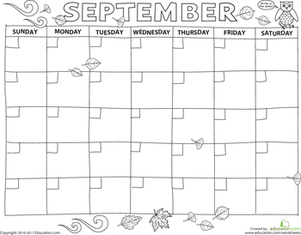
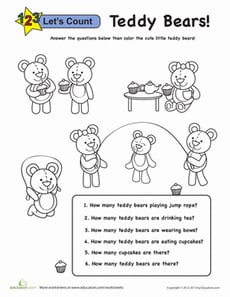
On Education.com, preschool educational resources include a wide variety of activities, worksheets, and lesson plans designed for young learners. These resources help children develop foundational skills such as numbers and letters, fine motor coordination, early literacy, and social-emotional learning. The site offers printable and interactive materials that support structured learning and natural curiosity.
Educators and parents can access printable worksheets, interactive games, and engaging activities that make learning fun and accessible. These resources support early childhood development, reinforce classroom lessons, and provide practical exercises that strengthen reading, math, and pattern recognition skills. Each provides a structured way to track progress and build confidence in young learners.
Using Education.com’s preschool educational resources makes it easy to create engaging lesson plans or craft at-home practice routines that reinforce key concepts. Teachers and parents save time by accessing ready-made, curriculum-aligned materials that encourage exploration and hands-on learning. This resource supports early learners in building confidence and curiosity, whether in classroom or home settings.
Educators and parents can access printable worksheets, interactive games, and engaging activities that make learning fun and accessible. These resources support early childhood development, reinforce classroom lessons, and provide practical exercises that strengthen reading, math, and pattern recognition skills. Each provides a structured way to track progress and build confidence in young learners.
Using Education.com’s preschool educational resources makes it easy to create engaging lesson plans or craft at-home practice routines that reinforce key concepts. Teachers and parents save time by accessing ready-made, curriculum-aligned materials that encourage exploration and hands-on learning. This resource supports early learners in building confidence and curiosity, whether in classroom or home settings.