
Subtopics:
Educational Preschool Patterns Games






About Educational Preschool Patterns Games
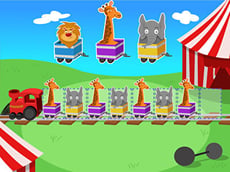
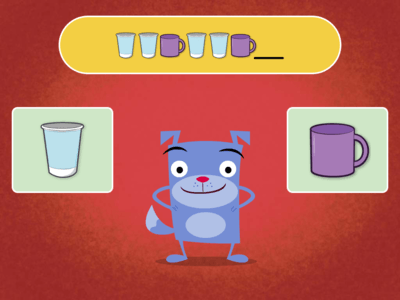
On Education.com, preschool pattern games are designed to help young children recognize, continue, and create sequences using colors, shapes, sounds, and movements. These activity pages incorporate interactive games and printable worksheets that introduce patterns such as AB, AAB, ABC, and more complex sequences, fostering early math, reasoning, and observational skills. Educators and parents can access resources that make learning engaging for toddlers and preschoolers.
Educators and caregivers can explore a wide collection of pattern recognition worksheets, printable activities, and interactive game templates. These materials support foundational learning, encourage creative thinking, and practice pattern application in hands-on ways. Text-based lessons and visual exercises together create a comprehensive teaching tools for classroom and home use.
Using resources like printable start-up pattern tracing sheets, digital pattern coloring pages, and pattern-sequencing games from Education.com saves educators and parents time by providing ready-to-use materials. These educational supports help children build confidence in recognizing and creating patterns while enjoying interactive experiences. Structured instruction sales emergent learning and prepares students for future math and logic challenges.
Educators and caregivers can explore a wide collection of pattern recognition worksheets, printable activities, and interactive game templates. These materials support foundational learning, encourage creative thinking, and practice pattern application in hands-on ways. Text-based lessons and visual exercises together create a comprehensive teaching tools for classroom and home use.
Using resources like printable start-up pattern tracing sheets, digital pattern coloring pages, and pattern-sequencing games from Education.com saves educators and parents time by providing ready-to-use materials. These educational supports help children build confidence in recognizing and creating patterns while enjoying interactive experiences. Structured instruction sales emergent learning and prepares students for future math and logic challenges.