
Preschool Composing Two-Dimensional Shapes Resources

















About Preschool Composing Two-dimensional Shapes Resources
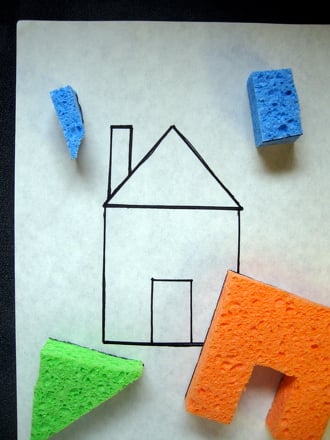
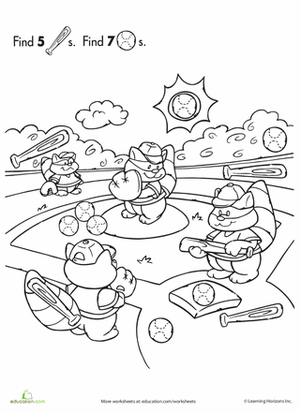
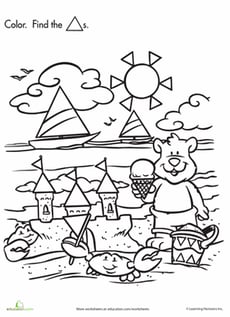
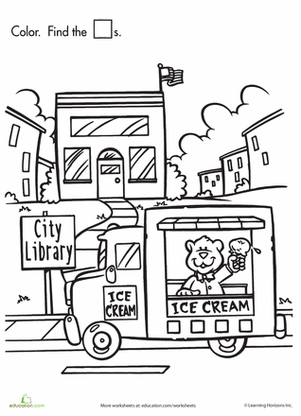
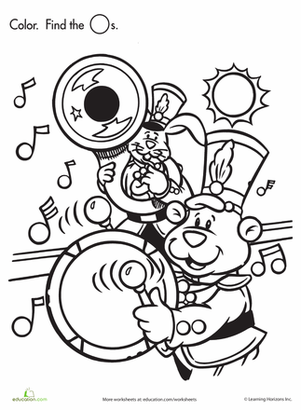
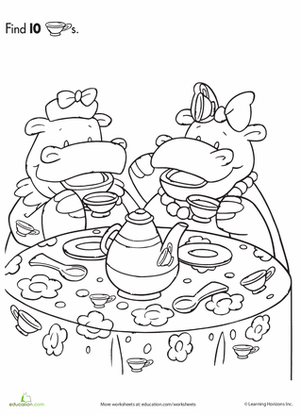
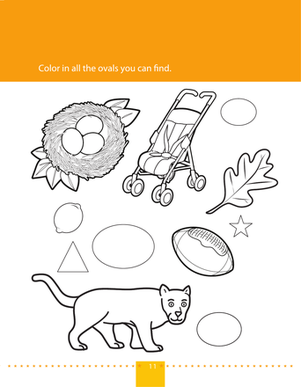
On Education.com, preschool resources for composing 2D shapes introduce young children to geometric concepts through hands-on activities such as pattern block puzzles, shape tracing worksheets, and shape hunt games. These materials aim to develop early mathematical skills, including shape recognition, spatial awareness, and fine motor skills, in an engaging and interactive way. By using printables, digital activities, and classroom sets, educators and parents can create fun lessons that promote creative thinking and geometric understanding.
Explore a variety of teaching resources on Education.com, including printables, interactive games, shape collages, puzzles, and practical activities that support preschoolers' comprehension of two-dimensional shapes. This collection provides structured lessons and activities designed to strengthen shape identification, enhance observation skills, and encourage exploration through pattern-building exercises. Accessing the site makes it easy to find engaging materials for classroom or home learning that combine play with foundational math instruction.
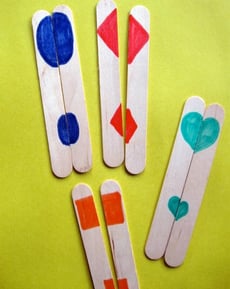
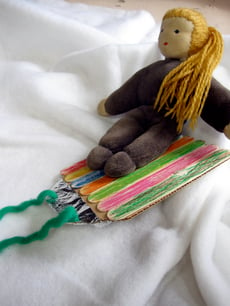
Using these shape resources, preschool educators and parents can create structured yet playful experiences to help children learn about shapes while fostering problem-solving abilities and fine motor control. For example, kids can build shapes with pattern blocks, create shape collages, join customers with Popsicle sticks, or participate in shape hunts. With access to structured worksheets, printable games, and structured activities on Education.com, caregivers can save time planning educational and fun shape activities that support early childhood development.
Explore a variety of teaching resources on Education.com, including printables, interactive games, shape collages, puzzles, and practical activities that support preschoolers' comprehension of two-dimensional shapes. This collection provides structured lessons and activities designed to strengthen shape identification, enhance observation skills, and encourage exploration through pattern-building exercises. Accessing the site makes it easy to find engaging materials for classroom or home learning that combine play with foundational math instruction.
Using these shape resources, preschool educators and parents can create structured yet playful experiences to help children learn about shapes while fostering problem-solving abilities and fine motor control. For example, kids can build shapes with pattern blocks, create shape collages, join customers with Popsicle sticks, or participate in shape hunts. With access to structured worksheets, printable games, and structured activities on Education.com, caregivers can save time planning educational and fun shape activities that support early childhood development.