
Offline Educational Preschool Comparing and Ordering Multi-Digit Numbers Games



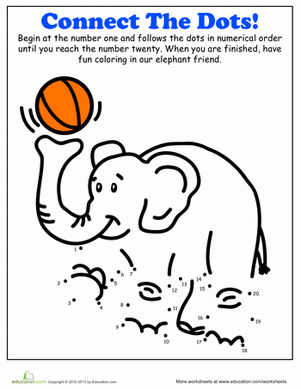
About Offline Educational Preschool Comparing And Ordering Multi-digit Numbers Games
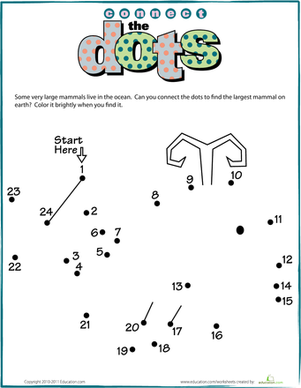
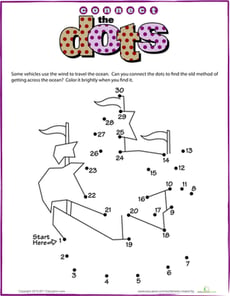
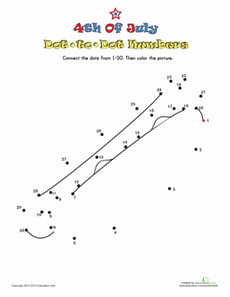
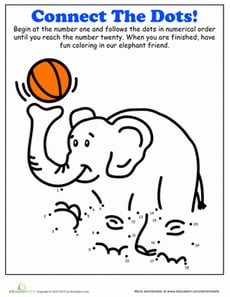
On Education.com, preschool developing materials such as comparing and ordering multi-digit numbers games are designed to help early learners understand numerical relationships through engaging, hands-on activities. These resources incorporate printable worksheets, interactive games, and lesson plans created by educators to make learning foundational math concepts engaging and accessible.
Browse a variety of educational resources on Education.com, including digital simulations, concrete manipulatives, and teacher-curated activities that reinforce counting, number sense, and numeracy skills. Each worksheet and game provides a structured way to practice comparing and sequencing numbers in an age-appropriate format. Materials are aligned with early childhood standards, making them perfect for classroom or home use.
Using these learning tools saves parents and teachers time by providing ready-to-use, educational activities that promote critical thinking and mathematical reasoning. Educators can integrate printed worksheets into daily lessons, while parents can support arithmetic practice at home through engaging hands-on experiences. This approach fosters math skills that build a strong foundation for future math learning.
Browse a variety of educational resources on Education.com, including digital simulations, concrete manipulatives, and teacher-curated activities that reinforce counting, number sense, and numeracy skills. Each worksheet and game provides a structured way to practice comparing and sequencing numbers in an age-appropriate format. Materials are aligned with early childhood standards, making them perfect for classroom or home use.
Using these learning tools saves parents and teachers time by providing ready-to-use, educational activities that promote critical thinking and mathematical reasoning. Educators can integrate printed worksheets into daily lessons, while parents can support arithmetic practice at home through engaging hands-on experiences. This approach fosters math skills that build a strong foundation for future math learning.