
Subtopics:
Educational Common Core Measuring Angles Games
Common Core Quick Links:
Common Core State Standards

About Educational Common Core Measuring Angles Games
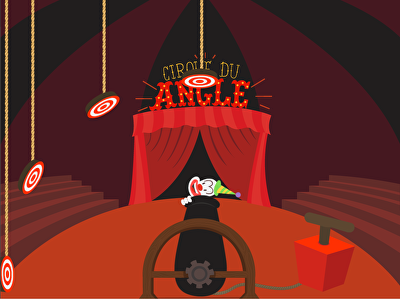
On Education.com, educational common core measuring angles games provide students with interactive ways to learn about angles through digital simulations like navigating asteroid fields, shooting targets, or building structures with specific angle sizes. These activities help children understand how to measure, classify, and compare angles using tools like protractors, reinforcing math skills and geometrical concepts. The games are tailored to make learning about acute, right, and obtuse angles fun, engaging, and interactive.
Explore resources on Education.com that include worksheets, printables, and lesson plans designed for classroom or homework practice. These materials provide structured learning opportunities to help students observe angles in everyday objects, practice measuring angles with rulers or protractors, and develop a strong foundation in geometry. Materials are suitable for a range of skill levels, from basic angle recognition to more advanced measurement activities.
Educators and parents can access hands-on activities like Angle Dominoes, Protractor Practice, and Angle Bingo that allow students to recognize and measure angles, while classroom settings can integrate these games into math lessons. These resources support the development of critical thinking, visual-spatial reasoning, and fine motor skills. Using digital or hands-on games, students can practice and apply geometric concepts in engaging and meaningful ways.
Explore resources on Education.com that include worksheets, printables, and lesson plans designed for classroom or homework practice. These materials provide structured learning opportunities to help students observe angles in everyday objects, practice measuring angles with rulers or protractors, and develop a strong foundation in geometry. Materials are suitable for a range of skill levels, from basic angle recognition to more advanced measurement activities.
Educators and parents can access hands-on activities like Angle Dominoes, Protractor Practice, and Angle Bingo that allow students to recognize and measure angles, while classroom settings can integrate these games into math lessons. These resources support the development of critical thinking, visual-spatial reasoning, and fine motor skills. Using digital or hands-on games, students can practice and apply geometric concepts in engaging and meaningful ways.